
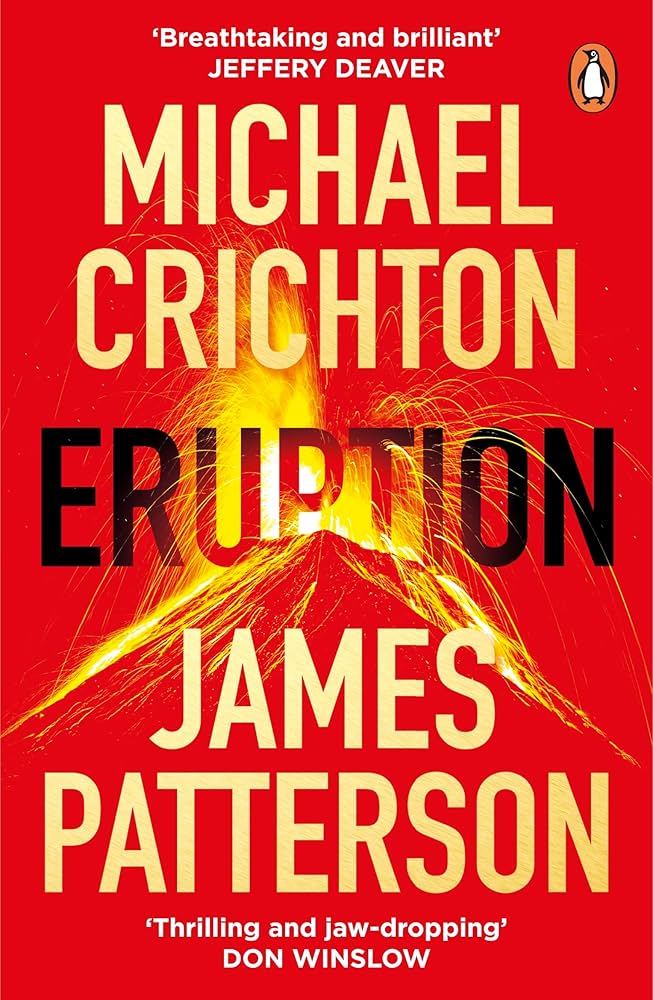
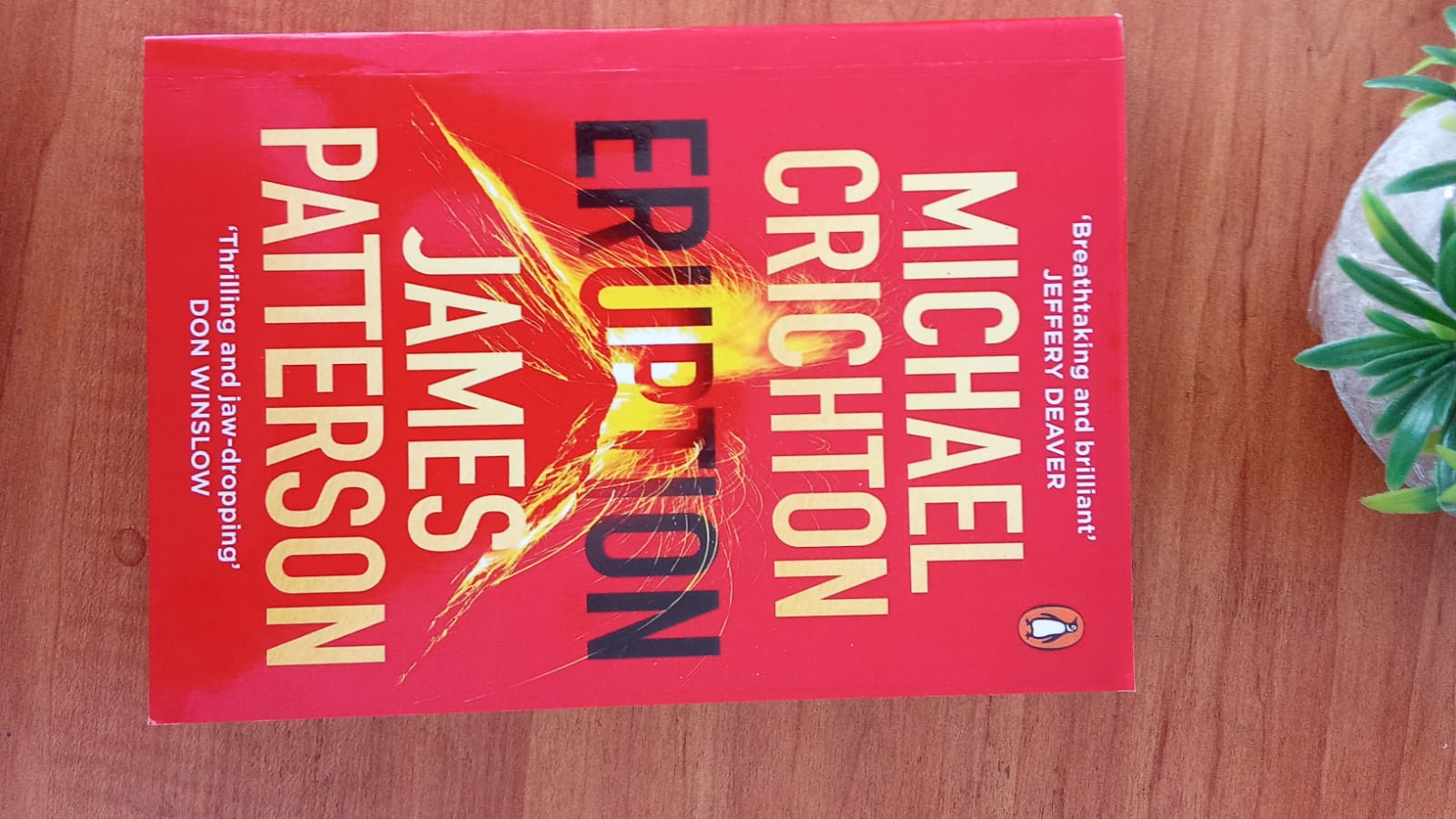








Eruption by Michael Crichton is a fast-paced techno-thriller that combines science, danger, and suspense into a gripping story about a catastrophic volcanic disaster. Completed posthumously and brought to life with the help of James Patterson, the book explores how a natural disaster can quickly spiral into a global crisis.
Instead of presenting a simple disaster story, Eruption shows how science, human error, and hidden secrets can combine to create unimaginable consequences. The central idea of the book is that nature is unpredictable—and when combined with human interference, the results can be devastating.
Rather than focusing only on the eruption itself, readers are taken deep into the science, decisions, and urgency behind preventing total destruction.
Disaster Begins With Hidden Danger
One of the earliest tensions in Eruption is the discovery of a growing volcanic threat. Scientists begin to notice unusual activity, but the true scale of danger is not immediately understood.
Michael Crichton highlights how early warning signs are often ignored or underestimated. When people delay action, small risks can evolve into uncontrollable disasters. Eruption teaches that awareness and timely response are critical when dealing with powerful natural forces.
Science Meets High-Stakes Decisions
A major strength of Eruption is its blend of real science with thrilling storytelling. The book explores volcanic activity, geological pressure, and the chain reactions that lead to eruptions.
However, the real tension comes from decision-making under pressure. Authorities and scientists must act quickly with limited information. Every choice carries consequences, and hesitation can cost lives.
Readers experience how science is not just knowledge—it is a tool for survival when used correctly.
Race Against Time
As the situation escalates, Eruption transforms into a race against time. The approaching disaster forces characters to act urgently, balancing risk and responsibility.
The story shows how crises demand teamwork, courage, and fast thinking. Individuals must overcome fear and uncertainty to protect others. This creates a gripping, edge-of-your-seat reading experience.
Human Error and Consequences
Beyond the natural disaster, Eruption explores the role of human decisions in amplifying danger. Mistakes, secrecy, and poor judgment can turn a crisis into a catastrophe.
Michael Crichton emphasizes that disasters are not always purely natural—often, human actions make them worse. This adds depth to the story, making it not just thrilling but thought-provoking.
Nature vs Humanity
A powerful theme in Eruption is the conflict between nature and human control. Despite technological advancements, nature remains unpredictable and unstoppable.
The book reminds readers that humans are not always in control, and respecting natural forces is essential. This perspective makes Eruption both exciting and realistic.
Modern Relevance and Scientific Insight
Even though it is a thriller, Eruption feels highly relevant today. Natural disasters, climate concerns, and scientific responsibility are important global topics.
The book combines entertainment with education, helping readers understand the seriousness of geological events while keeping them engaged with suspense.
Who Should Read This Book
This book is ideal for:
-
Thriller and suspense readers
-
Fans of scientific and techno-thriller novels
-
Readers interested in natural disasters
-
Michael Crichton fans
-
Anyone who enjoys fast-paced, high-stakes stories
The story appeals to both casual readers and those interested in science-based fiction.
Explore More
Explore more thriller and fiction books here:
https://bargainbooks.lk
Learn more about the author:
https://en.wikipedia.org/wiki/Michael_Crichton
Lasting Impact
After reading Eruption, many readers are left with a deeper respect for nature and the power it holds. The story stays in the mind because it feels both thrilling and possible.


Reviews
There are no reviews yet.