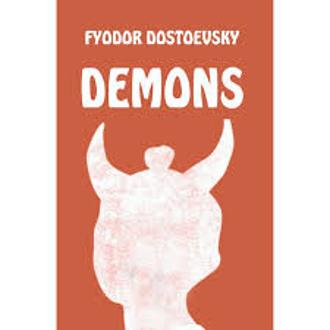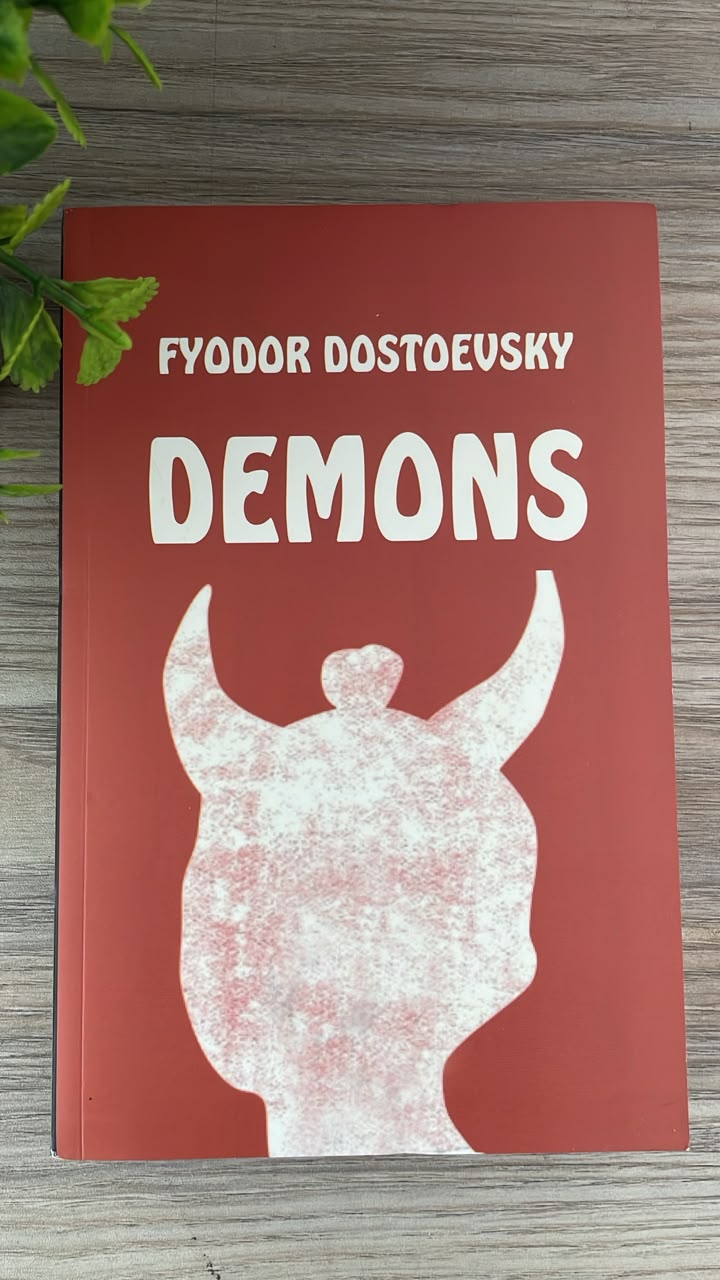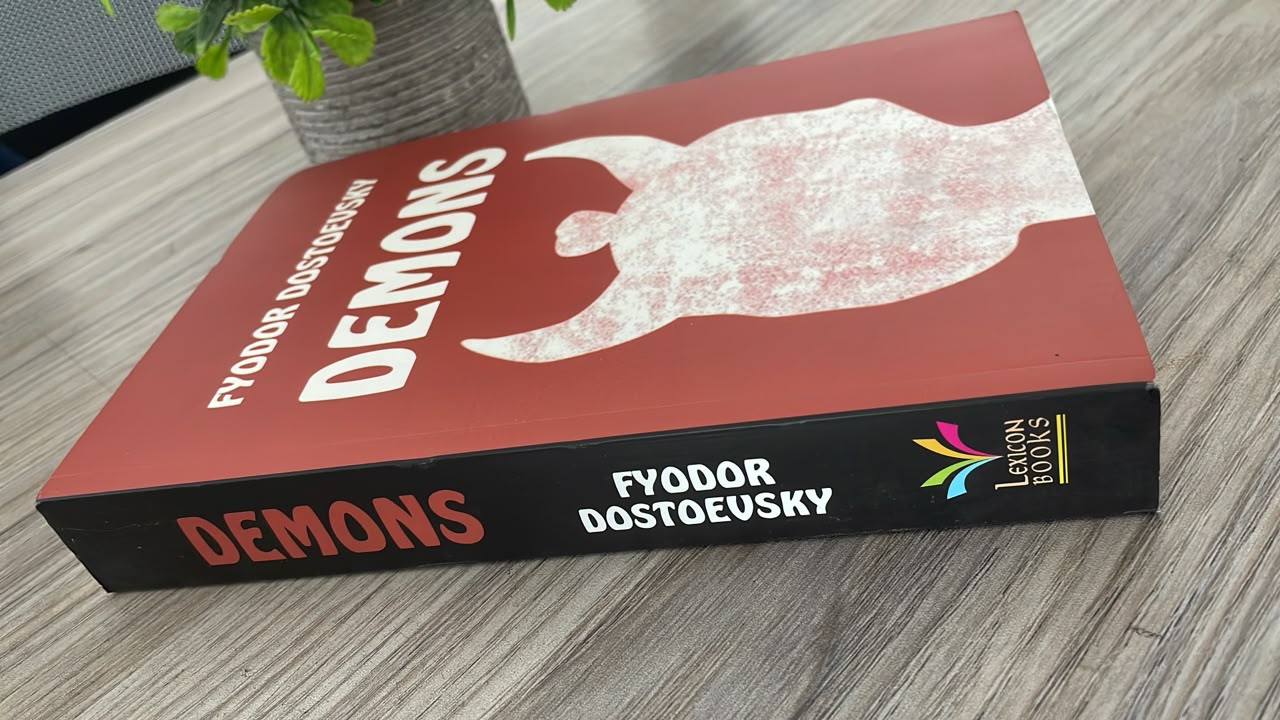
Demons by Fyodor Dostoevsky
Demons (also published as The Devils or The Possessed) is a powerful political and psychological novel that explores the dangers of extreme ideologies and the collapse of moral values in society. Set in provincial Russia, the book presents a chilling portrait of a community shaken by radical ideas and revolutionary movements. The central idea of Demons is that when individuals abandon morality, faith, and responsibility, chaos and destruction inevitably follow. Dostoevsky warns that ideas—especially dangerous ones—can possess people just as strongly as emotions.
The Danger of Radical Ideologies
One of the most important themes in Demons is the destructive power of extreme political beliefs. The novel focuses on a group of revolutionaries who believe they can rebuild society through chaos and violence.
Dostoevsky shows that:
- Blind belief in ideology can erase personal morality
- People can justify harmful actions in the name of progress
- Radical movements often lead to unintended destruction
Through these ideas, Demons becomes a warning about the consequences of unchecked extremism.
Psychological Manipulation and Control
The novel explores how influential individuals can manipulate others. Characters like Pyotr Verkhovensky use persuasion, fear, and deception to control people and spread their ideology.
Readers see how:
- Weak or confused individuals are easily influenced
- Charismatic leaders can distort truth
- Group pressure can lead people to act against their values
This psychological depth makes the story intense and unsettling.
Moral Collapse and Inner Emptiness
Dostoevsky portrays a society where traditional values are fading. Many characters struggle with meaning, identity, and purpose.
The novel highlights:
- The loss of spiritual and moral direction
- The emptiness created by rejecting ethical boundaries
- The consequences of living without responsibility
This moral collapse is what allows chaos to spread throughout the story.
Violence, Chaos, and Consequences
As the plot develops, the impact of radical ideas becomes more visible. Violence, betrayal, and tragedy unfold as characters act on extreme beliefs.
Dostoevsky emphasizes that:
- Actions driven by ideology can destroy innocent lives
- Chaos cannot create a stable society
- Every action has unavoidable consequences
The novel becomes increasingly dark, reflecting the seriousness of its message.
A Reflection of Real Society
Although written in the 19th century, Demons feels strikingly relevant today. It reflects how societies can be influenced by political unrest, misinformation, and ideological division.
The book reminds readers that:
- Ideas shape society more than people realize
- Ignoring morality can lead to social breakdown
- Critical thinking is essential in times of change
Complex Characters and Human Nature
Demons is filled with complex and deeply flawed characters. Each represents different aspects of society and human behavior.
Through them, readers explore:
- Pride and ego
- Fear and insecurity
- Desire for power
- Moral confusion
These characters make the novel rich in psychological insight.
Who Should Read This Book
This book is ideal for:
- Readers interested in political and philosophical fiction
- Fans of deep psychological novels
- Students exploring classic Russian literature
- Anyone curious about the impact of ideology on society
-
Find More Books
Explore more classics here:
https://bargainbooks.lk


Reviews
There are no reviews yet.