
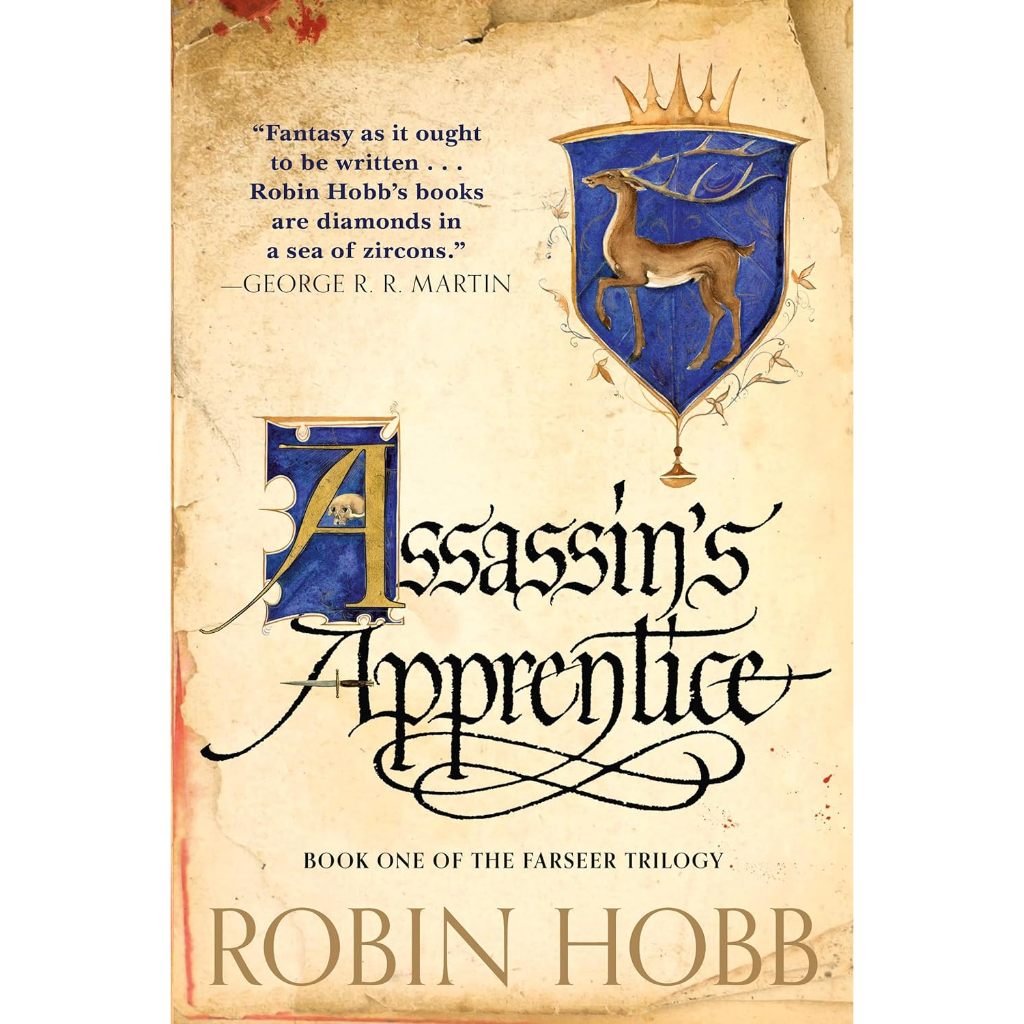
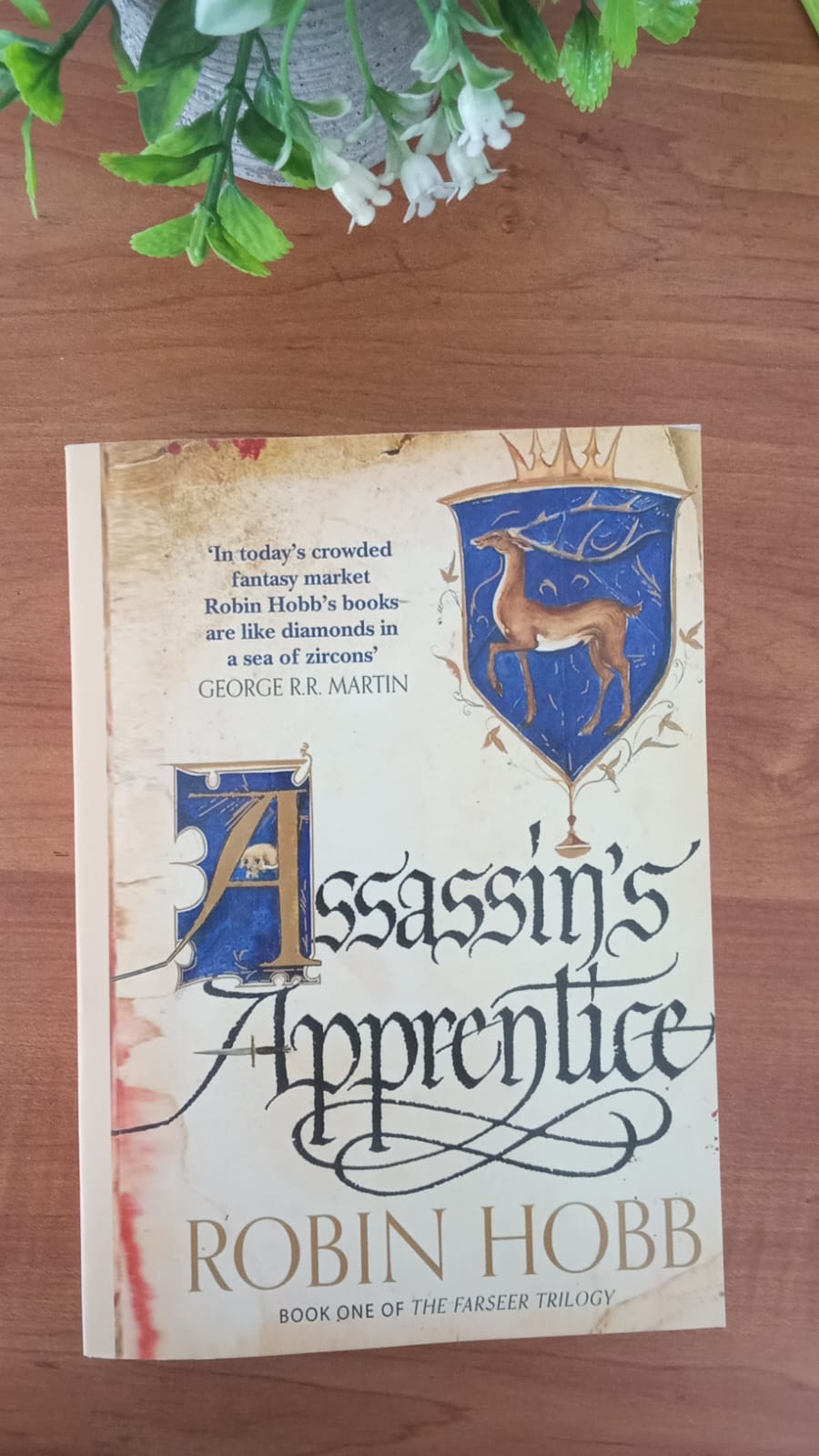
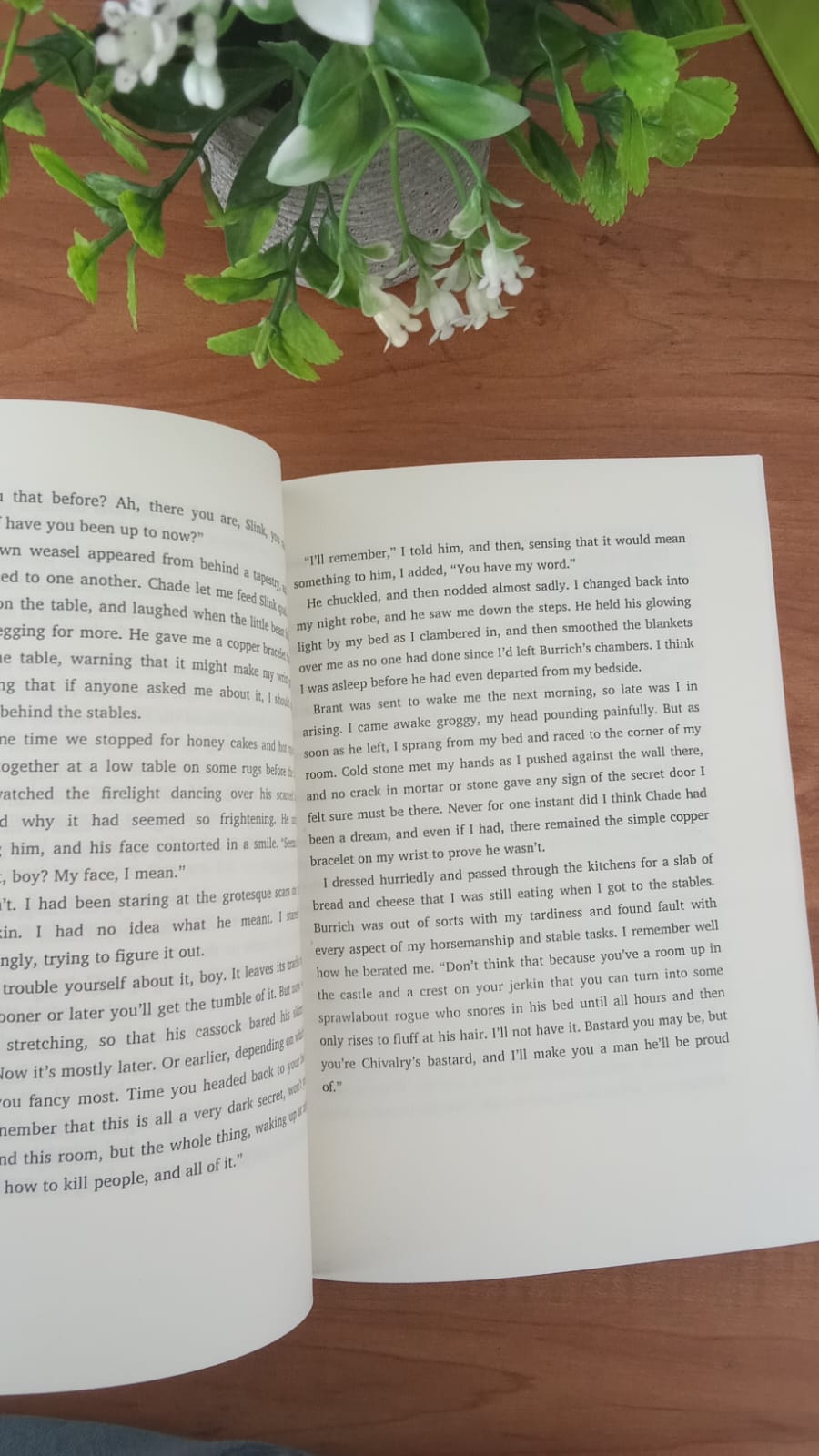
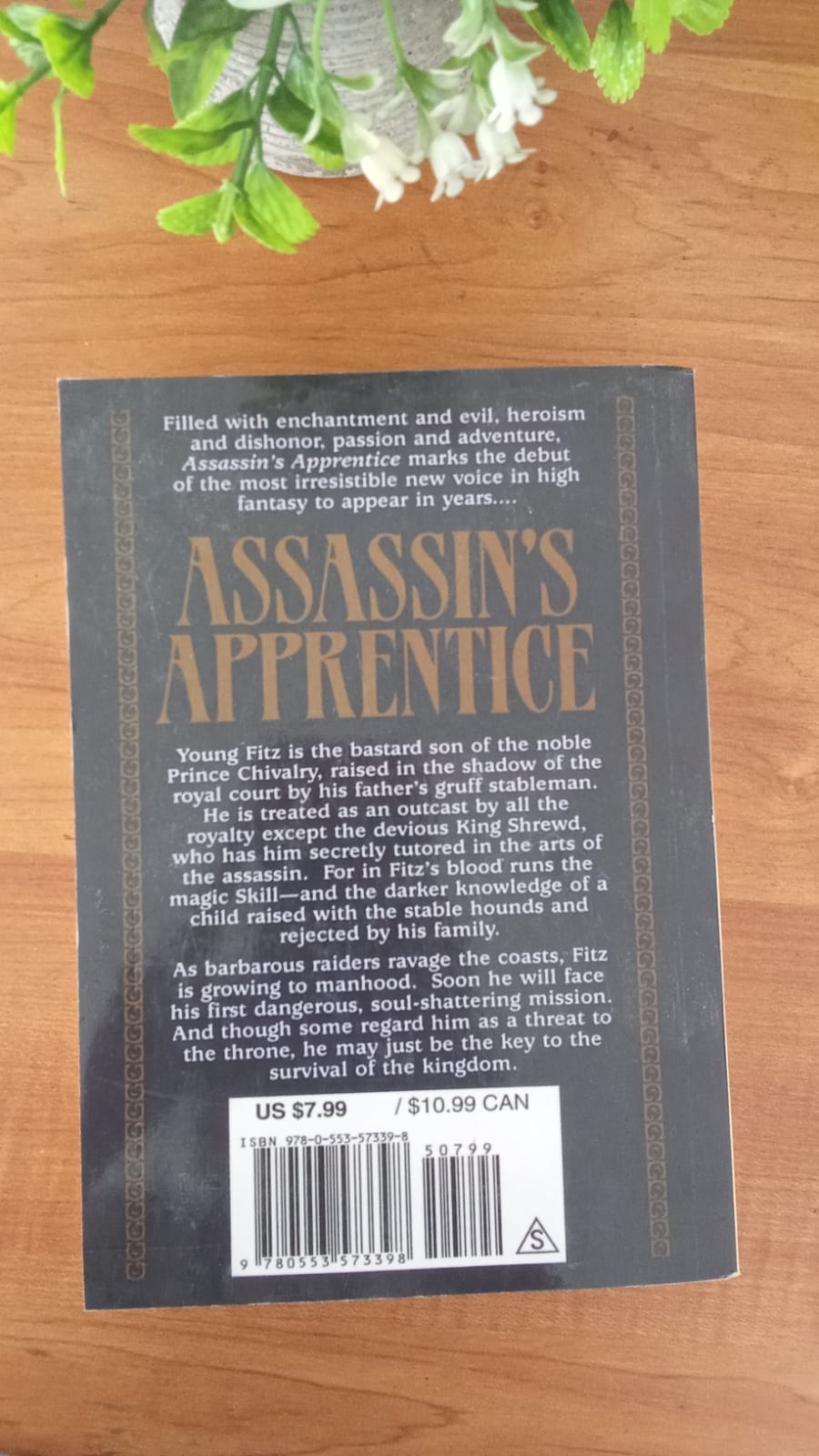
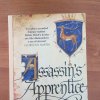

Assassin’s apprentice by Robin Hobb

රු2,900.00






A captivating fantasy novel, Assassin’s Apprentice by Robin Hobb follows the life of a royal illegitimate boy trained in the deadly art of assassination. Filled with political intrigue, loyalty, and emotional depth, this story explores identity, sacrifice, and destiny in a richly imagined world.
6 in stock
Here is your book description in the exact same style and structure for:
Assassin’s Apprentice – Robin Hobb
Assassin’s Apprentice by Robin Hobb is a richly detailed fantasy novel that introduces readers to a world of royal intrigue, loyalty, and hidden power. The story follows a young boy named Fitz, the illegitimate son of a prince, who is raised within the royal court but never fully accepted. The central idea of Assassin’s Apprentice is that identity, duty, and sacrifice shape a person’s destiny more than birth or status.
Instead of presenting a simple heroic journey, the book explores the emotional struggles of belonging, responsibility, and survival in a complex political world.
Identity Begins With Acceptance
One of the earliest lessons in Assassin’s Apprentice is the struggle for identity. Fitz grows up as an outsider, constantly reminded that he does not truly belong in the royal family.
Robin Hobb shows that understanding oneself is essential before finding a place in the world. Fitz’s journey reflects how people often search for acceptance externally, while the real challenge is learning to accept themselves.
The Path of the Assassin
The book introduces Fitz to a secret role within the kingdom—he is trained to become an assassin. This path is not glamorous but filled with moral conflict and difficult choices.
Readers learn how:
- Loyalty can demand sacrifice
- Power comes with responsibility
- Decisions have lasting consequences
Because of this, Assassin’s Apprentice feels realistic despite its fantasy setting, focusing more on inner conflict than action alone.
Politics, Power, and Responsibility
A major strength of Assassin’s Apprentice is its deep exploration of royal politics. The kingdom is full of tension, betrayal, and hidden agendas.
The story shows that:
- Leadership requires wisdom and caution
- Trust is fragile in positions of power
- Even small actions can change the future
This creates a world that feels complex and believable, drawing readers into its intrigue.
Connection and Emotional Depth
Beyond politics, the book explores emotional bonds, especially Fitz’s connection with animals and a rare magical ability known as the Wit.
This relationship highlights:
- The importance of empathy
- The strength of quiet companionship
- The value of understanding beyond words
Robin Hobb’s writing emphasizes emotion, making the story deeply personal and immersive.
Duty Versus Desire
No life is free from difficult choices. Assassin’s Apprentice shows how Fitz must constantly choose between what he wants and what is expected of him.
The book teaches that:
- Duty often comes with sacrifice
- Personal desires may conflict with responsibility
- Growth comes from facing hard decisions
This theme adds depth, making the story more than just a fantasy adventure.
A Fantasy World With Real Emotions
While set in a fictional kingdom, Assassin’s Apprentice reflects real human experiences—loneliness, loyalty, and the need for belonging.
The book stands out because it focuses on emotional realism rather than just action, making it relatable even within a magical setting.
Beginning of an Epic Journey
As the first book in the Farseer Trilogy, Assassin’s Apprentice sets the foundation for a much larger story. It introduces characters, conflicts, and themes that continue to develop in later books.
Readers are left wanting to follow Fitz’s journey further, making it a compelling start to a beloved series.
Who Should Read This Book
This book is ideal for:
- Fantasy lovers
- Readers who enjoy character-driven stories
- Fans of political intrigue and royal drama
- Anyone interested in emotional and immersive storytelling
The themes appeal to both young adult and adult readers.
Explore More
Explore more fantasy books here:
https://bargainnbooks.lk
Lasting Impact
After reading Assassin’s Apprentice, many readers connect deeply with Fitz’s journey. Instead of focusing only on adventure, they remember the emotional depth and character growth.
Be the first to review “Assassin’s apprentice by Robin Hobb”
Related products
Fantasy
Adventure fiction

Action & Adventure

Childrens


Fantasy
Contemporary Fiction
Tales from the Cafe: Before the Coffee Gets Cold by Toshikazu Kawaguchi
Reviews
There are no reviews yet.