
No products in the cart.

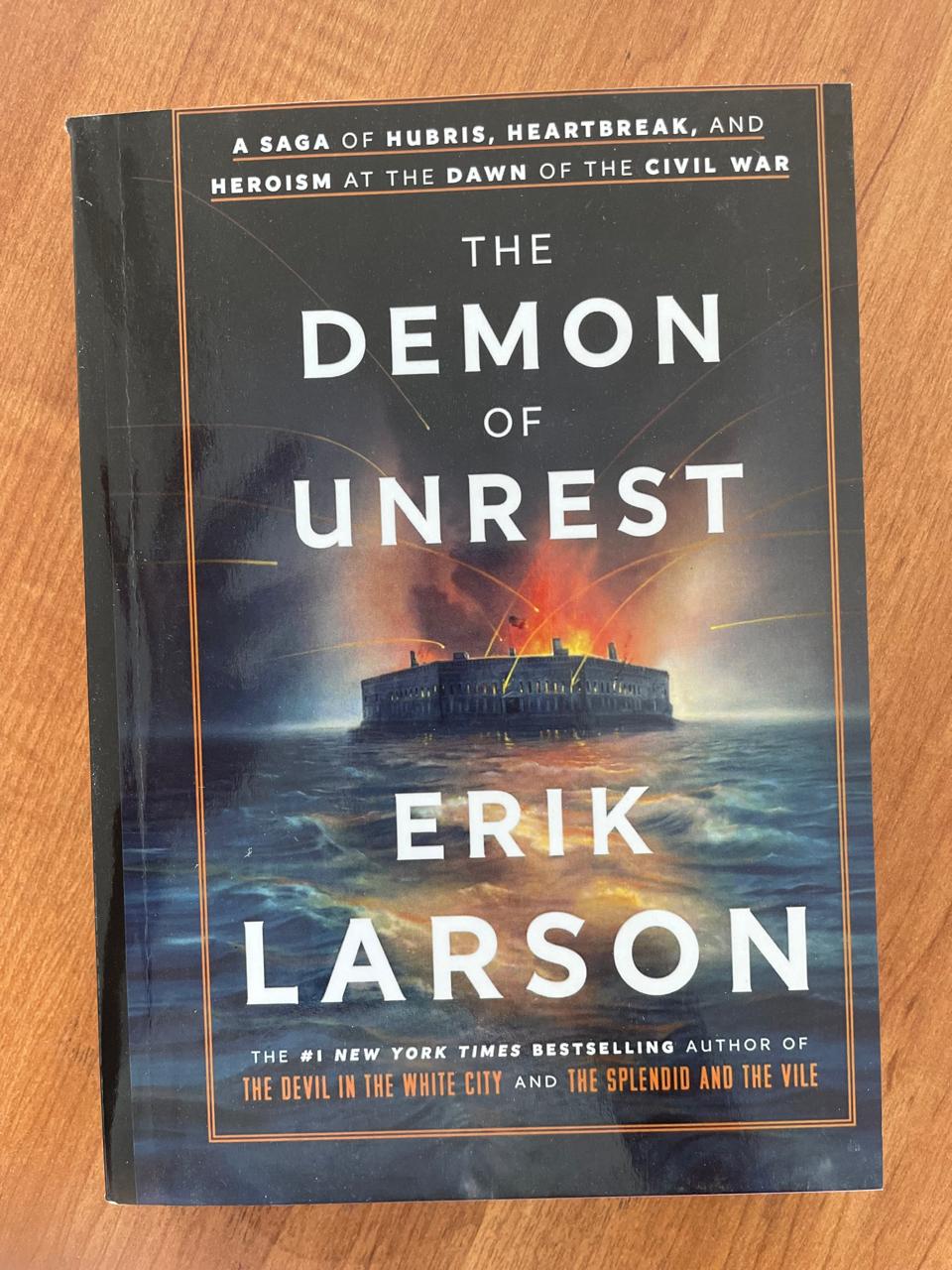
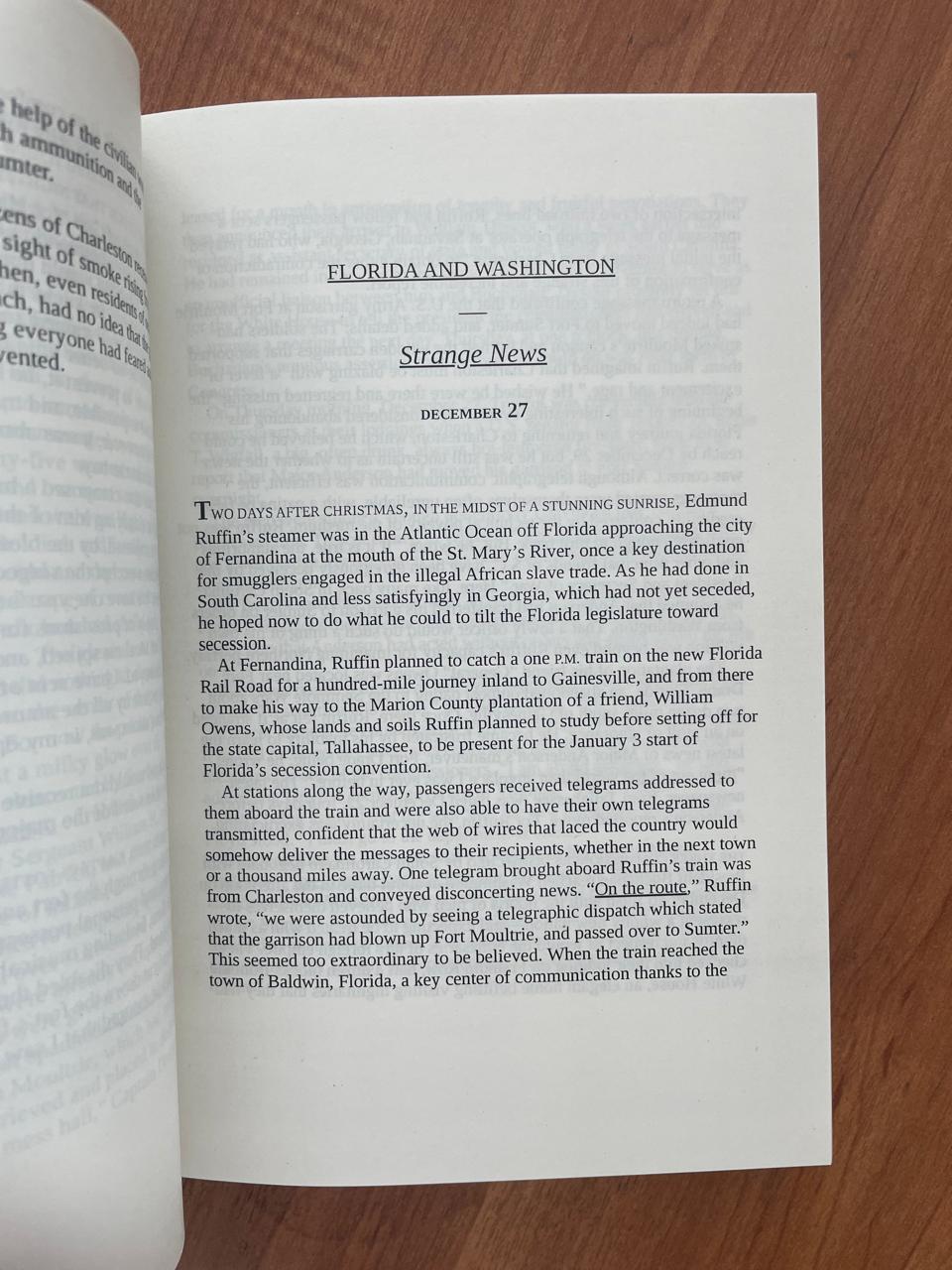





Demon Of Unrest by Erik Larson


රු2,750.00
3 X Rs. 916.67 or 8% Cashback with


or 3 X රු916.67 with


or up to 4 X රු687.50 with


The Demon of Unrest by Erik Larson is a powerful historical narrative that captures the fragile and volatile period leading up to the outbreak of the American Civil War. Known for his immersive storytelling, Larson transforms real historical events into a tense, almost cinematic experience. Rather than presenting history as distant facts, the book places readers directly into the uncertainty, fear, and political instability of the time.
At its core, The Demon of Unrest explores how division, miscommunication, and rising distrust can push a nation toward conflict. It reveals that war is rarely sudden—it builds gradually through human decisions, emotions, and missed opportunities for understanding.
4 in stock
The Demon of Unrest by Erik Larson is a powerful historical narrative that captures the fragile and volatile period leading up to the outbreak of the American Civil War. Known for his immersive storytelling, Larson transforms real historical events into a tense, almost cinematic experience. Rather than presenting history as distant facts, the book places readers directly into the uncertainty, fear, and political instability of the time.
At its core, The Demon of Unrest explores how division, miscommunication, and rising distrust can push a nation toward conflict. It reveals that war is rarely sudden—it builds gradually through human decisions, emotions, and missed opportunities for understanding.
Tension Before the Storm
One of the most compelling aspects of the book is its focus on the days and weeks before open conflict began. The story centers around the events at Fort Sumter, where Union and Confederate forces stood on the edge of confrontation.
Instead of jumping straight into war, Larson highlights the uncertainty that defined this period. Leaders hesitated, citizens speculated, and rumors spread quickly. This slow build creates a sense of suspense, showing how fragile peace can be when trust collapses.
Understanding Human Decisions
A key strength of The Demon of Unrest is its focus on people rather than just events. Historical figures are portrayed with depth, revealing their fears, ambitions, and internal conflicts. Decisions that shaped history are shown as human choices rather than inevitable outcomes.
Readers begin to see how pride, misjudgment, and emotional pressure influenced leaders on both sides. This perspective makes history feel relatable—reminding us that large-scale events often come down to individual actions.
The Role of Communication and Miscommunication
Much like modern conflicts, the tension in The Demon of Unrest is fueled by misunderstanding. Messages are delayed, intentions are misread, and assumptions replace clarity.
Larson illustrates how poor communication can escalate situations quickly. Small misinterpretations grow into major conflicts, emphasizing the importance of clear dialogue and patience—lessons that remain highly relevant today.
Escalation and the Breaking Point
As the narrative progresses, the pressure intensifies. Political divisions deepen, and compromise becomes increasingly difficult. The situation at Fort Sumter becomes symbolic of a nation at a crossroads.
The eventual outbreak of conflict is not portrayed as a surprise, but as the result of accumulated tension. This approach helps readers understand that crises often develop gradually, even when they appear sudden in hindsight.
Relevance to the Modern World
Although set in the 19th century, The Demon of Unrest feels strikingly modern. Themes such as political polarization, media influence, and social division mirror challenges seen today.
The book reminds readers that history often repeats patterns. When communication breaks down and differences are amplified, societies risk moving toward conflict. This makes Larson’s work not just informative, but deeply thought-provoking.
Leadership Under Pressure
Another important theme is leadership during uncertain times. The book explores how leaders respond when faced with incomplete information, public pressure, and high stakes.
Some act with caution, while others make bold or risky decisions. Through these portrayals, readers gain insight into the complexity of leadership and the weight of responsibility during crises.
Who Should Read This Book
The Demon of Unrest is ideal for:
- Readers interested in history presented as engaging storytelling
- Those curious about the causes of conflict and war
- Fans of narrative non-fiction similar to The Devil in the White City
- Anyone interested in leadership, decision-making, and political dynamics
Lasting Impact
After reading The Demon of Unrest, many readers come away with a deeper understanding of how fragile stability can be. The book does not just recount history—it explains how tension builds, how decisions matter, and how easily situations can escalate when understanding is lost.
Ultimately, The Demon of Unrest shows that conflict is rarely inevitable. It is shaped by choices, communication, and the ability—or failure—to see beyond division.
Buy from Bargain Books
https://bargainbooks.lk
(You can link directly to your product page once uploaded)
Wikipedia Page
Be the first to review “Demon Of Unrest by Erik Larson”
Related products

History
රු1,900.00
3 X Rs. 633.33 or 8% Cashback with
or 3 X රු633.33 with
or up to 4 X රු475.00 with

History
රු1,750.00
3 X Rs. 583.33 or 8% Cashback with
or 3 X රු583.33 with
or up to 4 X රු437.50 with

Out of stock
රු17,500.00
3 X Rs. 5,833.33 or 8% Cashback with
or 3 X රු5,833.33 with
or up to 4 X රු4,375.00 with
-21%

Original price was: රු3,750.00.රු2,950.00Current price is: රු2,950.00.
3 X Rs. 983.33 or 8% Cashback with
or 3 X රු983.33 with
or up to 4 X රු737.50 with

Classics & Literary Fiction
රු1,600.00
3 X Rs. 533.33 or 8% Cashback with
or 3 X රු533.33 with
or up to 4 X රු400.00 with

History
රු2,250.00
3 X Rs. 750.00 or 8% Cashback with
or 3 X රු750.00 with
or up to 4 X රු562.50 with

Out of stock
රු1,600.00
3 X Rs. 533.33 or 8% Cashback with
or 3 X රු533.33 with
or up to 4 X රු400.00 with
-19%
Original price was: රු2,600.00.රු2,100.00Current price is: රු2,100.00.
3 X Rs. 700.00 or 8% Cashback with
or 3 X රු700.00 with
or up to 4 X රු525.00 with
Reviews
There are no reviews yet.