
No products in the cart.
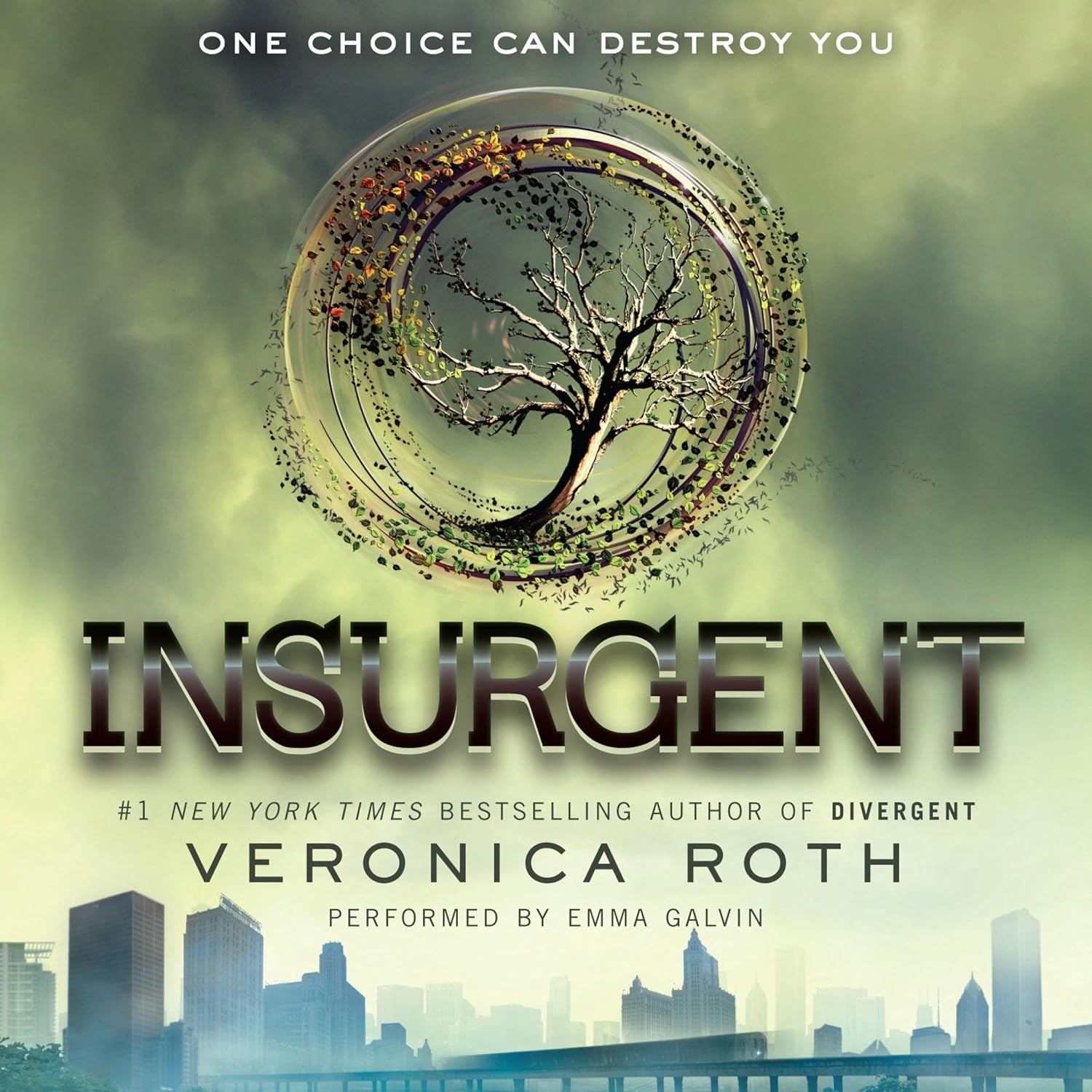
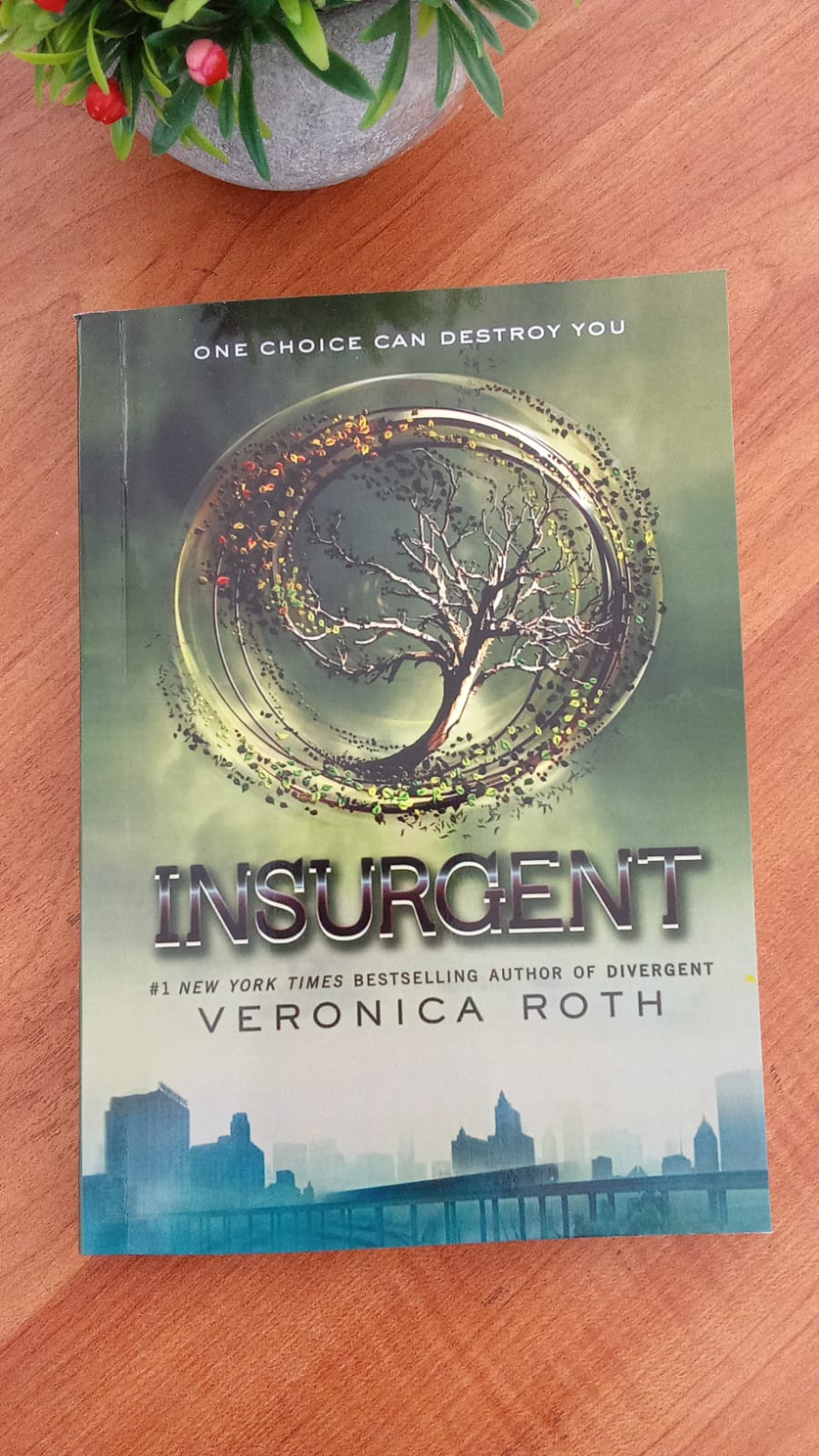
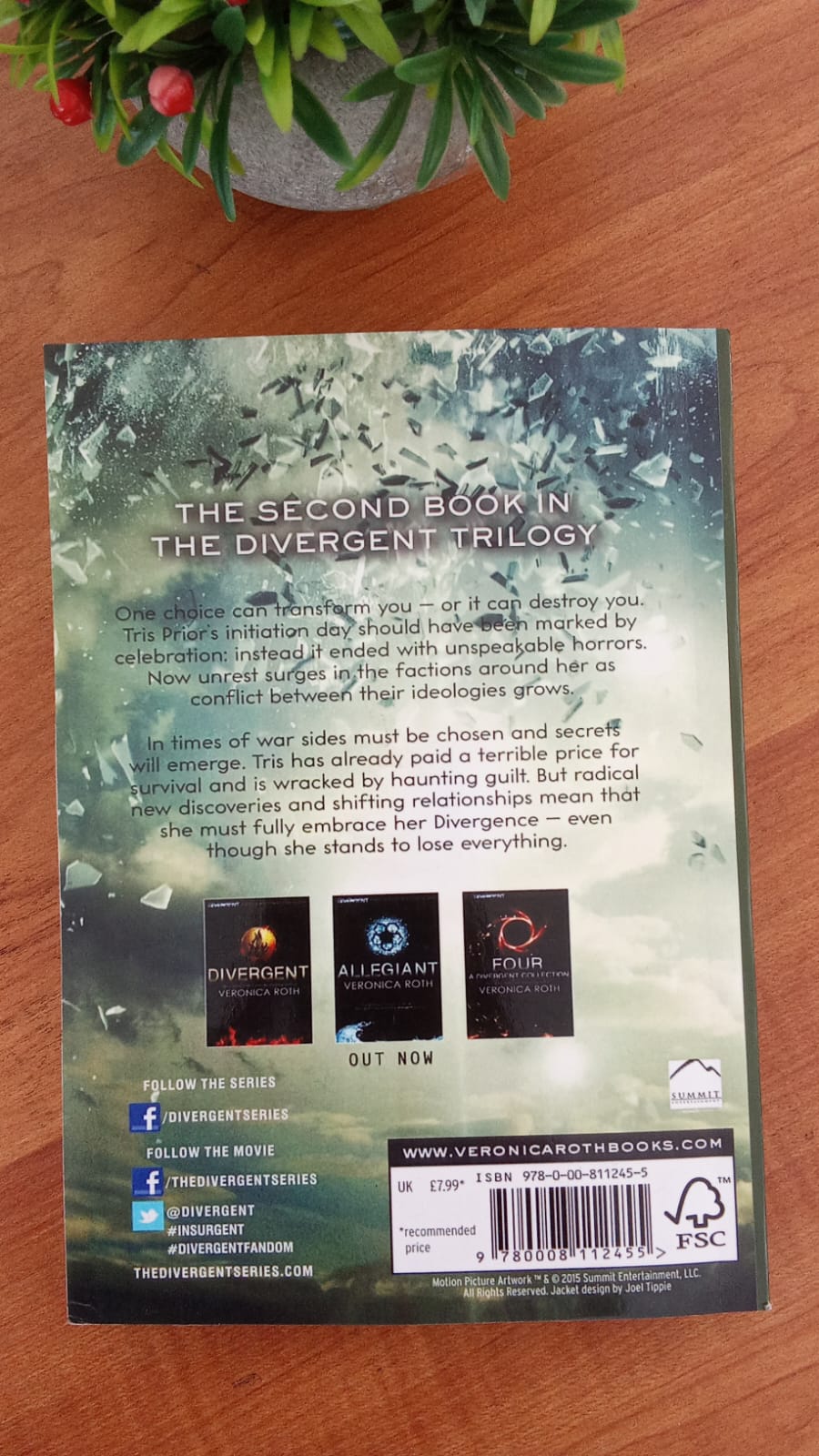
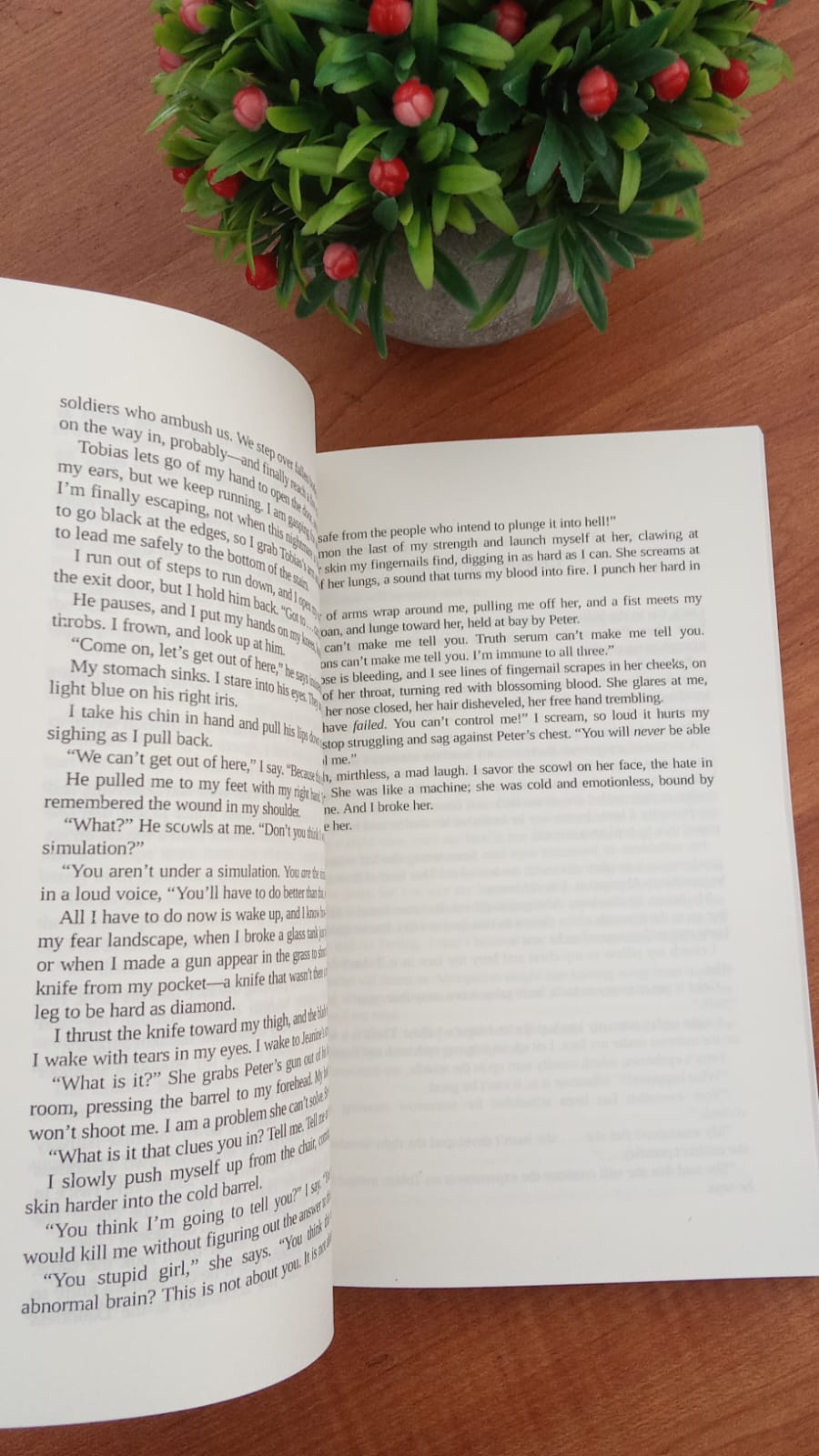

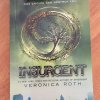


Insurgent by Veronica Roth is the intense second book in the bestselling Divergent trilogy, continuing Tris Prior’s journey through a fractured dystopian Chicago filled with war, betrayal, secrets, grief, shifting loyalties, dangerous choices, and questions about identity and freedom.
The events of Divergent have changed everything.
The faction system that once gave society structure is beginning to collapse.
Conflict is spreading.
Trust is disappearing.
Old alliances are becoming uncertain.
And Tris is carrying the emotional consequences of everything she has already survived.
She is no longer simply a girl choosing between factions.
She has become part of a larger conflict.
A conflict that may determine the future of the entire society.
Together with Tobias, better known as Four, Tris must navigate a world where every faction has its own priorities and every decision carries consequences.
Secrets begin to emerge.
Relationships are tested.
Political tensions grow.
And Tris must confront the parts of herself she does not fully understand.
Insurgent by Veronica Roth expands the world introduced in Divergent while becoming darker, more emotional, and more politically complex.
Insurgent by Veronica Roth – Book Overview
Insurgent by Veronica Roth begins after the devastating events surrounding Tris’s initiation.
What should have represented victory has instead become the beginning of a much larger crisis.
The factions are no longer functioning peacefully.
Conflict has spread across the city.
The divisions that once organized society are turning into battle lines.
Tris and her companions are forced to move between different groups while trying to understand who can be trusted.
Each faction views the conflict differently.
Each has something to lose.
And each may be hiding information.
Tris is also fighting another battle inside herself.
She carries grief.
Guilt.
Fear.
Anger.
And unanswered questions.
Her Divergence makes her important.
But it also makes her dangerous to people who depend on controlling how society thinks and behaves.
Tris Prior After Divergent
Tris is no longer the same person readers met at the beginning of the first book.
Her experiences have changed her.
She has made difficult decisions.
Lost people.
Discovered truths about herself.
And learned that courage does not always protect someone from emotional pain.
Insurgent by Veronica Roth explores what happens after the heroic moment.
Surviving danger is one thing.
Living with the consequences is another.
Tris struggles with grief and guilt while continuing to act as though she can handle everything.
This makes her a more complicated protagonist.
She can be brave and frightened.
Strong and emotionally overwhelmed.
Selfless and reckless.
These contradictions make her feel more human.
Four and Tris
The relationship between Tris and Four becomes even more important in Insurgent by Veronica Roth.
Their connection survived the events of the first book.
But surviving something together does not automatically make a relationship easy.
Both characters have secrets.
Both carry emotional wounds.
Both want to protect each other.
And both sometimes struggle to communicate honestly.
Trust becomes one of the biggest challenges.
Tris sometimes believes she needs to protect Four by hiding things.
Four has his own ideas about what Tris should or should not risk.
This creates tension.
Their relationship becomes less about initial attraction and more about whether two people can remain together while facing fear, trauma, political conflict, and different ideas about responsibility.
The Faction System Begins to Collapse
The society in Divergent is divided into five factions.
Abnegation values selflessness.
Dauntless values bravery.
Erudite values intelligence.
Candor values honesty.
Amity values peace.
At first, the system appears designed to reduce conflict by encouraging people to dedicate themselves to a particular virtue.
But Insurgent by Veronica Roth explores the weakness of that system.
Can human beings really be reduced to one quality?
Is intelligence dangerous without compassion?
Can bravery become recklessness?
Can honesty become cruelty?
Can selflessness become self-erasure?
Can peace become avoidance?
The deeper Tris looks, the clearer it becomes that no faction possesses a complete answer.
What It Means to Be Divergent
Divergence becomes even more important in Insurgent by Veronica Roth.
A Divergent person does not fit cleanly into one faction.
They can think in ways that cross boundaries.
That makes them difficult to control.
For Tris, being Divergent is both powerful and dangerous.
It allows her to respond differently from people whose thinking is strongly shaped by one faction.
But it also makes her a target.
The novel gradually expands the meaning of Divergence.
It is not simply a personality category.
It becomes connected to larger questions about freedom, control, individuality, and why certain people resist manipulation.
Grief
Grief is one of the strongest themes in Insurgent by Veronica Roth.
Tris has lost people she loves.
She cannot simply move forward as if nothing happened.
Her grief affects her decisions.
Sometimes it makes her reckless.
Sometimes it makes her emotionally distant.
Sometimes guilt becomes mixed with grief.
The novel does not present mourning as something that disappears after a few chapters.
Instead, it continues influencing Tris.
This gives the sequel emotional weight.
Readers see that surviving a tragedy does not mean escaping its psychological consequences.
Guilt
Tris is also dealing with intense guilt.
She remembers choices she made.
Moments she could not change.
People she could not save.
Insurgent by Veronica Roth shows how guilt can distort judgment.
A person may begin believing they deserve punishment.
They may take unnecessary risks.
They may struggle to accept happiness.
Tris often behaves as though surviving creates another responsibility.
This tension becomes one of the defining parts of her character.
Courage Versus Recklessness
The Dauntless faction values courage.
But Insurgent by Veronica Roth asks an important question:
When does courage become recklessness?
Doing something dangerous does not automatically make someone brave.
Sometimes the wiser decision is to wait.
Think.
Trust someone else.
Ask for help.
Tris struggles with this distinction.
She is willing to risk herself.
But sometimes that willingness becomes self-destructive.
This makes her journey more interesting because she must learn that bravery involves more than running toward danger.
Identity
Identity remains one of the central themes of the series.
Who is Tris?
Abnegation?
Dauntless?
Divergent?
A daughter?
A fighter?
A survivor?
Insurgent by Veronica Roth shows that identity cannot always be reduced to one label.
Tris contains qualities from multiple factions.
She is brave.
But also selfless.
Intelligent.
Honest.
Capable of compassion.
The faction system tries to simplify people.
Tris increasingly proves that human beings are more complicated.
Loyalty
War forces people to choose sides.
That creates difficult questions about loyalty.
Should someone remain loyal to a faction?
A family?
A friend?
A partner?
An idea?
The truth?
Insurgent by Veronica Roth repeatedly places characters in situations where these loyalties conflict.
Someone may support their faction but disagree with its leadership.
Someone may care about a family member while opposing their decisions.
Someone may love another person while hiding information from them.
Loyalty becomes complicated because relationships do not exist separately from politics.
Betrayal
Where loyalty exists, betrayal becomes especially painful.
The novel contains shifting alliances.
People make choices that surprise others.
Secrets change relationships.
Insurgent by Veronica Roth uses betrayal to create emotional and political tension.
A betrayal is especially damaging when it comes from someone trusted.
This makes the question of trust central throughout the book.
Tris has to decide not only who is telling the truth but who is acting for the right reasons.
Politics and Power
The political side of the Divergent world becomes much more important in Insurgent by Veronica Roth.
Different groups are fighting for control.
Information becomes power.
Military strength becomes power.
Public support becomes power.
Secrets become power.
The novel explores how leaders justify difficult actions.
Some claim to protect society.
Others claim to protect truth.
But people seeking power may define “protection” in ways that benefit themselves.
This creates a more complex conflict than simple heroes versus villains.
Information Can Be Dangerous
One of the most important ideas in Insurgent by Veronica Roth is the power of information.
Why are certain truths hidden?
Who benefits when ordinary people do not know something?
What happens when information becomes public?
A secret can sometimes be more dangerous than a weapon.
This theme becomes increasingly important as Tris learns that the conflict may involve more than the faction system itself.
Someone knows something.
Others desperately want to control that knowledge.
The mystery surrounding this information drives much of the story.
Jeanine Matthews
Jeanine Matthews continues to represent one of the largest threats.
She is intelligent.
Strategic.
Organized.
And convinced that her actions have rational justification.
This makes her dangerous.
Villains become more compelling when they do not see themselves as villains.
Jeanine believes intelligence should guide society.
But Insurgent by Veronica Roth explores what happens when intelligence becomes separated from empathy and moral responsibility.
Knowledge can solve problems.
It can also be used to control people.
Intelligence Without Compassion
This is one of the most interesting philosophical ideas in the book.
Intelligence is valuable.
Science is valuable.
Research is valuable.
But knowledge alone does not guarantee ethical decisions.
Insurgent by Veronica Roth shows how intelligence can become dangerous when people begin treating human beings like variables in an experiment.
The question is not simply:
“Can we do this?”
It is also:
“Should we?”
This moral distinction gives the story depth beyond action and romance.
Honesty and Candor
The Candor faction values honesty.
At first, honesty sounds completely positive.
But the novel explores another side.
Is every truth helpful?
Should private information always be exposed?
Can honesty become cruel?
Insurgent by Veronica Roth shows that even good virtues become dangerous when treated as absolutes.
Honesty needs empathy.
Courage needs wisdom.
Intelligence needs morality.
Selflessness needs self-respect.
Peace needs the willingness to confront injustice.
This reinforces the idea that no single virtue can completely define a healthy person.
Amity and Peace
The Amity faction values peace and harmony.
Their environment provides temporary relief from the violence affecting other parts of society.
But Insurgent by Veronica Roth also questions whether peace is enough.
What happens when injustice exists?
Should people remain neutral?
At what point does refusing conflict become another form of enabling it?
The book encourages readers to think about the difference between peace and avoidance.
Sometimes preventing conflict is wise.
Sometimes confrontation becomes necessary.
War Changes Everyone
War is not simply a background event in Insurgent by Veronica Roth.
It changes relationships.
Communities.
Priorities.
People who once lived according to peaceful routines are forced to make decisions under pressure.
Fear influences behaviour.
Resources become important.
Information becomes strategic.
Friends may end up on opposing sides.
War reveals aspects of characters that might never appear during peaceful times.
Trust Between Tris and Four
Trust becomes increasingly important in the romance.
Both Tris and Four want to protect the other.
But protection can become secrecy.
And secrecy can damage trust.
Insurgent by Veronica Roth explores whether love can survive when people stop being completely honest with each other.
The relationship becomes more mature because attraction alone is no longer enough.
They need communication.
Respect.
Trust.
And the ability to accept that the other person will sometimes make choices they dislike.
Family
Family remains emotionally important.
Tris carries the memory of her parents and the choices they made.
Family relationships influence several characters throughout the story.
Insurgent by Veronica Roth shows that family can create:
Love.
Responsibility.
Anger.
Expectation.
Loyalty.
Pain.
Family does not automatically mean agreement.
Sometimes the people closest to us can make choices we struggle to understand.
Forgiveness
Forgiveness becomes another important theme.
Can Tris forgive herself?
Can she forgive other people?
Can people repair relationships after betrayal?
Insurgent by Veronica Roth does not present forgiveness as forgetting.
Instead, forgiveness becomes connected to understanding and deciding what to carry forward.
Some wounds cannot simply disappear.
But allowing guilt or anger to control every future decision creates another kind of prison.
Sacrifice
The series repeatedly explores sacrifice.
Abnegation taught Tris to value selflessness.
Dauntless taught her courage.
Together, those traits can become dangerous.
Someone who is both brave and selfless may be willing to sacrifice themselves too easily.
Insurgent by Veronica Roth questions whether sacrifice is always noble.
Sometimes staying alive may require more courage than dying.
Sometimes trusting someone else to help is harder than taking every burden alone.
The Consequences of Choice
One of the central ideas in Insurgent by Veronica Roth is that every choice has consequences.
The first book emphasized choosing who you want to become.
The second emphasizes what happens afterward.
A decision does not disappear after it is made.
It changes relationships.
Creates new responsibilities.
Closes some possibilities.
Opens others.
Tris has to live inside the consequences of earlier choices while continuing to make new ones.
Fast-Paced Dystopian Action
Readers who enjoyed the action of Divergent will find plenty in Insurgent by Veronica Roth.
The story includes:
- Faction conflict
- Dangerous missions
- Escapes
- Simulations
- Betrayals
- Political tension
- Secret information
- Relationship conflict
- High-stakes decisions
- Unexpected alliances
The pace remains fast.
New threats appear regularly.
Safe places do not remain safe for long.
A Darker Second Book
Second books in trilogies often become darker.
The world has already been introduced.
Now the consequences can deepen.
Insurgent by Veronica Roth follows this pattern.
The story becomes more focused on:
Trauma.
War.
Political control.
Loss.
Guilt.
Identity.
Trust.
The stakes grow both personally and socially.
Tris is no longer simply trying to survive initiation.
She is trying to understand what kind of society will exist after everything falls apart.
Divergent Trilogy Reading Order
Insurgent by Veronica Roth is the second novel in the original Divergent trilogy.
The main reading order is:
1. Divergent
Tris chooses Dauntless and discovers that being Divergent makes her dangerous to a society built around strict factions.
2. Insurgent
War spreads between the factions as Tris deals with grief, guilt, secrets, changing relationships, and deeper questions about Divergence.
3. Allegiant
The story expands beyond the faction conflict as Tris and Four confront larger truths about their society.
Readers should read Divergent before Insurgent because the sequel begins directly after major events from the first novel.
Insurgent Movie Adaptation
Insurgent by Veronica Roth was adapted into the 2015 film The Divergent Series: Insurgent.
Shailene Woodley returned as Tris Prior and Theo James as Four.
The movie continues the conflict introduced in the first film.
Readers who have watched the movie can still enjoy the novel because the book provides more detail about Tris’s inner thoughts, emotional struggles, relationships, faction politics, and the broader themes of identity and grief.
7 Powerful Reasons to Read Insurgent
There are many reasons readers may enjoy Insurgent by Veronica Roth:
- Tris becomes a more complex character – Her grief, guilt, courage, and recklessness make her development emotionally powerful.
- The faction world becomes much bigger – Readers learn more about Candor, Amity, Erudite, Dauntless, and the growing factionless movement.
- The conflict becomes political – The story expands from personal survival into a struggle over information, leadership, and the future of society.
- Tris and Four’s relationship develops – Their romance is tested by secrecy, danger, trust, and different ideas about protection.
- Divergence becomes more important – The sequel explores why Divergent people threaten a system based on controlling identity.
- Secrets drive the mystery – Hidden information may explain why the faction system exists and why certain people desperately want control.
- The ending pushes the trilogy forward – Major discoveries prepare readers for the final book, Allegiant.
Why Read Insurgent by Veronica Roth?
Insurgent by Veronica Roth is an excellent choice for readers interested in:
- Young adult dystopian fiction
- Divergent series
- Veronica Roth books
- Tris Prior
- Four
- Dystopian romance
- Faction conflict
- Rebellion
- Political fiction
- Identity
- Courage
- Loyalty
- Betrayal
- Grief
- Fast-paced YA fiction
- Book-to-movie novels
It is especially suitable for readers who enjoyed Divergent and want to continue exploring the faction system and the mystery surrounding Divergence.
Who Should Read This Book?
Insurgent by Veronica Roth may especially appeal to:
- Divergent fans
- Young adult readers
- Dystopian-fiction readers
- Romance readers
- Readers who enjoy strong female protagonists
- Fans of action-packed stories
- Readers interested in rebellion and political conflict
- Fans of The Hunger Games
- Fans of The Maze Runner
- Readers who enjoy books about identity
- Readers who like fast-paced series
- Fans of movie adaptations
- Readers looking for YA novels with emotional depth
Because this is Book 2, new readers should begin with Divergent.
A Powerful Sequel About Choice, Identity and Rebellion
Insurgent by Veronica Roth takes everything introduced in Divergent and raises the stakes.
Tris has chosen who she wants to become.
Now she must live with what those choices have cost.
The faction system is collapsing.
Conflict is spreading.
People she trusts may be hiding secrets.
Her relationship with Four is being tested.
Her grief is changing how she behaves.
And being Divergent places her at the centre of a struggle much bigger than herself.
The novel asks whether a society can survive when it divides human beings into simple categories.
It asks whether bravery without wisdom is enough.
Whether intelligence without compassion is dangerous.
Whether honesty without empathy can cause harm.
Whether peace without resistance can protect injustice.
And whether one person can carry grief without allowing it to determine every future decision.
For readers who enjoy dystopian fiction, rebellion, romance, action, political conflict, secrets, strong heroines, and stories about choosing your own identity, Insurgent by Veronica Roth is an intense and emotional second chapter in the Divergent trilogy.
Learn more about Inside Coca-Cola by Neville Isdell with David Beasley on the official Macmillan website.
Explore more business and leadership books at Bargain Books.
Lasting Impact
After reading Insurgent, many readers feel more connected to the emotional side of courage and decision-making.
Rather than presenting heroes as perfect, the book shows them as human — flawed, learning, and growing. Ultimately, Insurgent teaches that strength comes from facing truth, accepting consequences, and continuing forward despite fear.
Be the first to review “Insurgent by Veronica Roth”
Related products
-13%
Out of stock
Fiction & Literature
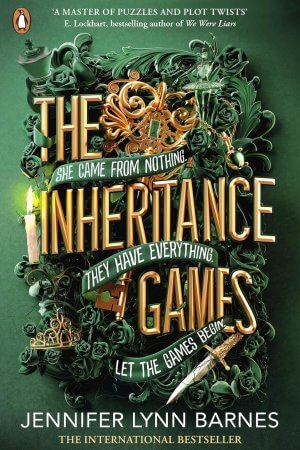
The Inheritance Games: Deadly stakes, thrilling twists, and juicy secrets by Jennifer Lynn Barnes
Original price was: රු2,400.00.රු2,100.00Current price is: රු2,100.00.
3 X Rs. 700.00 or 8% Cashback with


or 3 X රු700.00 with


or up to 4 X රු525.00 with

Out of stock
රු1,800.00
3 X Rs. 600.00 or 8% Cashback with
or 3 X රු600.00 with
or up to 4 X රු450.00 with
-24%

Out of stock
Young Adult Fiction
Original price was: රු2,100.00.රු1,600.00Current price is: රු1,600.00.
3 X Rs. 533.33 or 8% Cashback with
or 3 X රු533.33 with
or up to 4 X රු400.00 with
-38%

Original price was: රු2,900.00.රු1,800.00Current price is: රු1,800.00.
3 X Rs. 600.00 or 8% Cashback with
or 3 X රු600.00 with
or up to 4 X රු450.00 with
-20%

Out of stock
Young Adult Fiction
Original price was: රු2,500.00.රු2,000.00Current price is: රු2,000.00.
3 X Rs. 666.67 or 8% Cashback with
or 3 X රු666.67 with
or up to 4 X රු500.00 with
-17%

Fiction & Literature
Blue Ocean Strategy (Paperback) by W. Chan Kim & Renée Mauborgne
Original price was: රු1,800.00.රු1,500.00Current price is: රු1,500.00.
3 X Rs. 500.00 or 8% Cashback with
or 3 X රු500.00 with
or up to 4 X රු375.00 with

Classics & Literary Fiction
රු1,550.00
3 X Rs. 516.67 or 8% Cashback with
or 3 X රු516.67 with
or up to 4 X රු387.50 with
Out of stock
රු2,000.00
3 X Rs. 666.67 or 8% Cashback with
or 3 X රු666.67 with
or up to 4 X රු500.00 with
Reviews
There are no reviews yet.