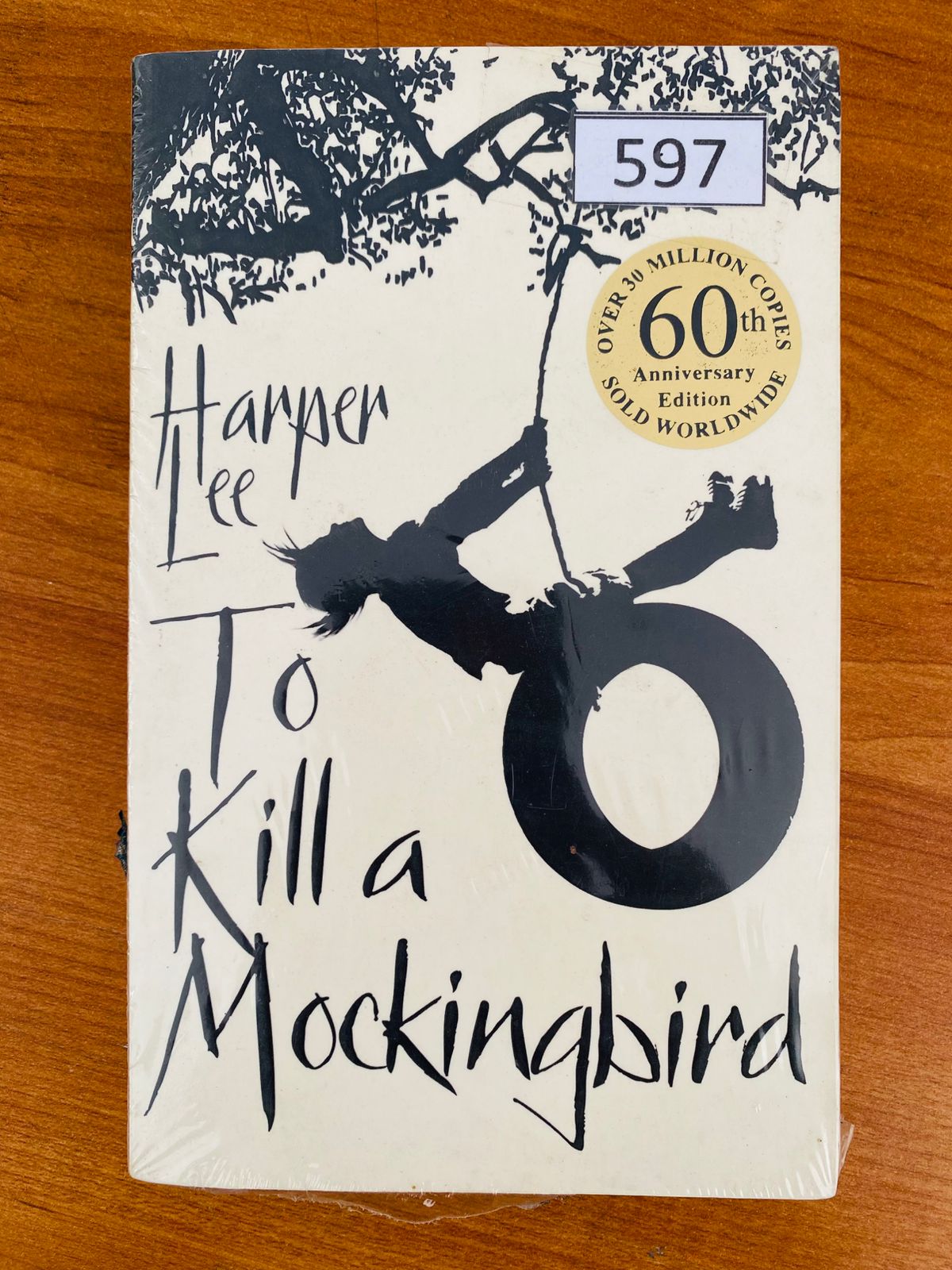
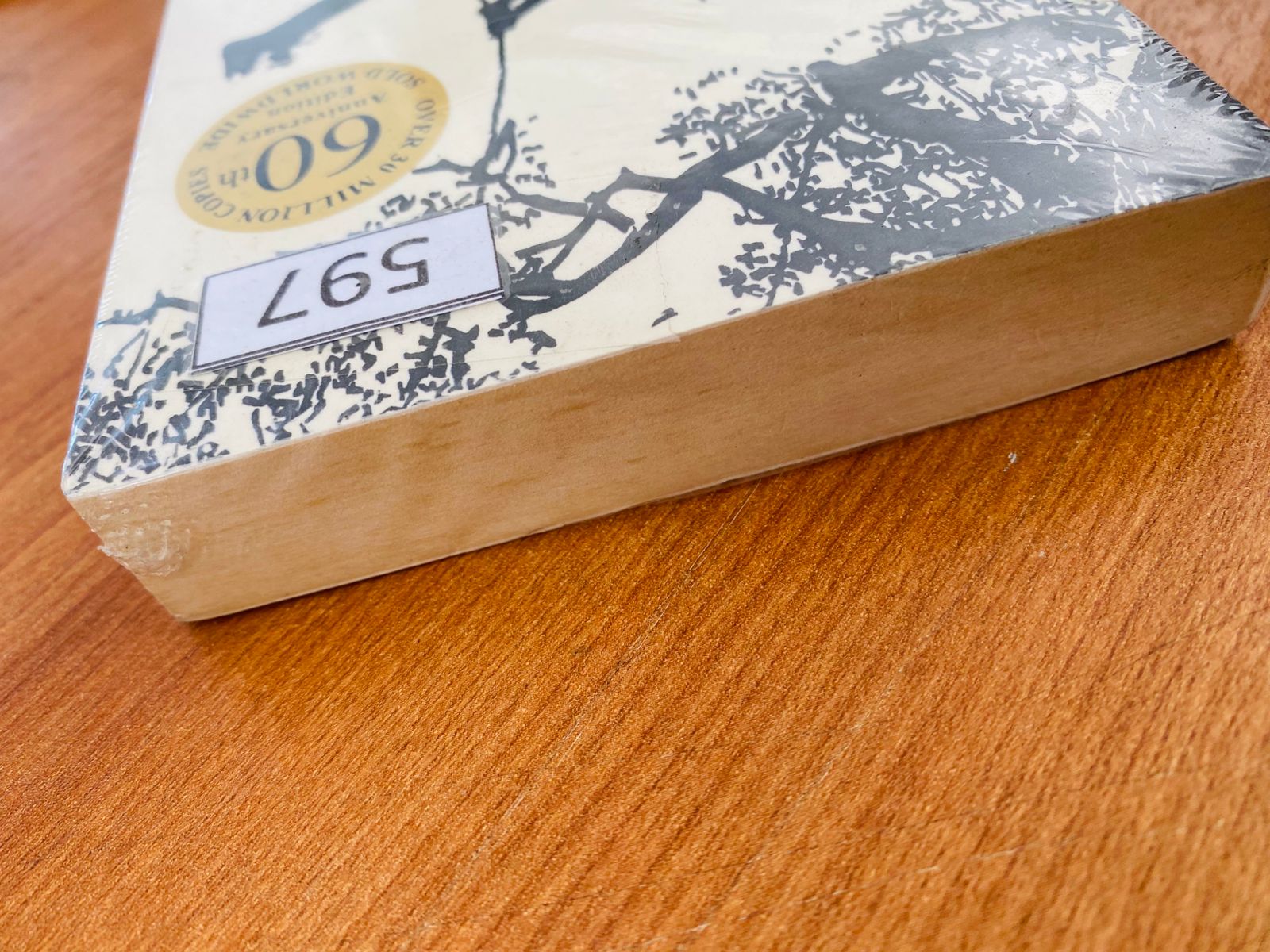
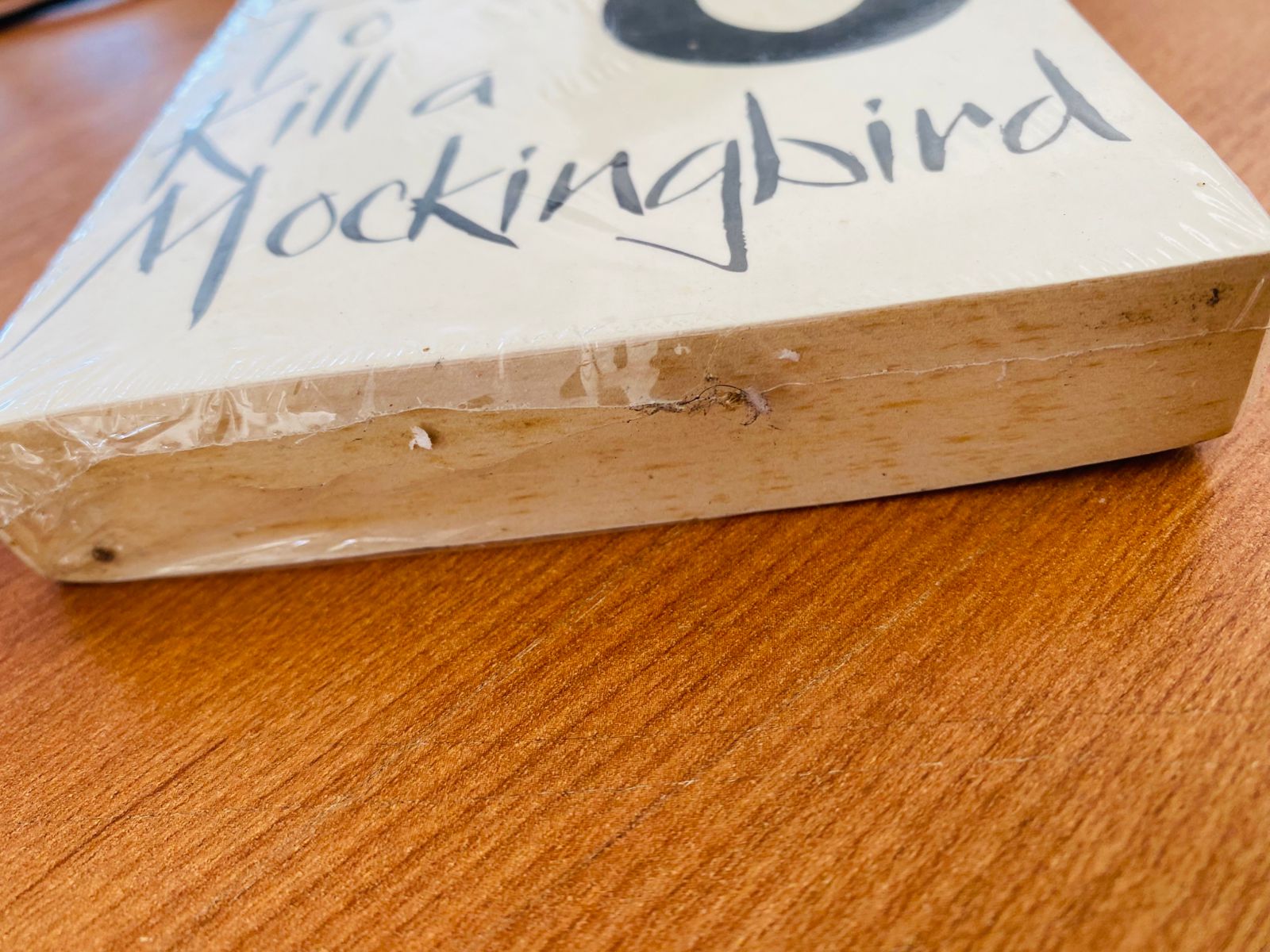
To Kill a Mockingbird by Harper Lee is a timeless American classic that explores themes of justice, racism, morality, and empathy through the eyes of a child. Set in the fictional town of Maycomb, Alabama, during the Great Depression, the novel presents a powerful portrayal of social inequality and moral courage in the face of prejudice.
The story is narrated by Scout Finch, a young girl growing up with her brother Jem and their widowed father, Atticus Finch. Through Scout’s innocent and observant perspective, readers are introduced to a close-knit Southern community shaped by tradition, fear, and deeply rooted racial divisions. Scout’s childhood experiences form the emotional foundation of To Kill a Mockingbird by Harper Lee.
At the heart of the novel is Atticus Finch, a lawyer known for his integrity, wisdom, and strong moral values. Atticus is appointed to defend Tom Robinson, a Black man falsely accused of raping a white woman. Despite overwhelming evidence proving Tom’s innocence, the case exposes the deep racism present in the legal system and society. Atticus’s decision to defend Tom Robinson, even when he knows the odds are against him, demonstrates moral courage and commitment to justice.
Through the courtroom drama, To Kill a Mockingbird by Harper Lee examines how prejudice distorts truth and fairness. The trial serves as a turning point for Scout and Jem, forcing them to confront the harsh realities of injustice and hatred. Jem, in particular, struggles to understand how a system meant to protect people can fail so deeply.
Another important storyline in the novel involves Boo Radley, a mysterious and misunderstood neighbor who becomes a symbol of fear and rumor. Over time, Scout learns that Boo is not the monster people claim him to be. Instead, he represents kindness, vulnerability, and the harm caused by judgment without understanding. This subplot reinforces one of the novel’s most important messages: the danger of prejudice and the importance of empathy.
The title To Kill a Mockingbird by Harper Lee carries strong symbolic meaning. Mockingbirds represent innocence and goodness, and harming them symbolizes the destruction of something pure. Characters like Tom Robinson and Boo Radley are metaphorical mockingbirds—individuals who are harmed despite doing no wrong.
Harper Lee’s writing style is simple yet deeply impactful. She blends warmth, humor, and tragedy to create a story that is both accessible and emotionally powerful. The use of a child narrator allows complex social issues to be explored with honesty and clarity, making the novel especially effective.
Beyond its historical context, To Kill a Mockingbird by Harper Lee remains relevant today. Its themes of racial injustice, moral responsibility, and standing up for what is right continue to resonate across generations. The novel encourages readers to challenge prejudice, seek truth, and treat others with compassion.
This book is widely studied in schools and cherished by readers around the world because of its universal message. It teaches that real courage comes from doing what is right, even when facing opposition, and that understanding others begins with empathy.
To Kill a Mockingbird by Harper Lee is not just a story about a trial or a town—it is a profound reflection on humanity, justice, and the power of conscience. It remains a must-read for anyone interested in literature that challenges the mind and touches the heart.

A Brief History of Time by Stephen Hawking (132) 


Reviews
There are no reviews yet.