
-
×
 Think Like a Monk by Jay Shetty
1 × රු1,550.00
Think Like a Monk by Jay Shetty
1 × රු1,550.00
Subtotal: රු1,550.00
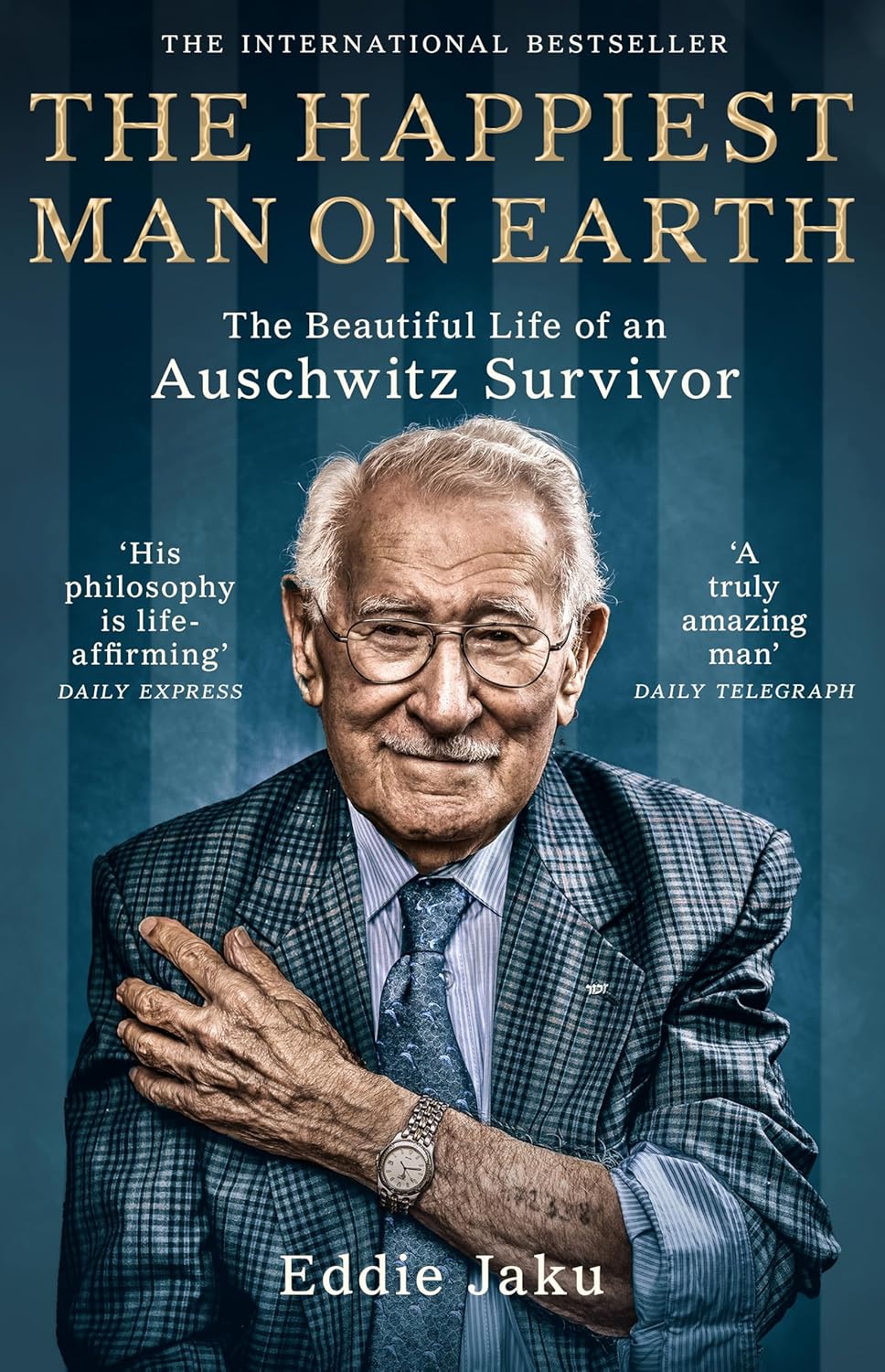
The Happiest Man on Earth by Eddie Jaku is a deeply moving memoir by a Holocaust survivor who found a way to embrace life, gratitude, and joy despite unimaginable suffering. Eddie Jaku, a German-born Jew, recounts his experiences before, during, and after World War II, offering readers an intimate glimpse into history while sharing lessons of resilience, kindness, and hope.
This book has touched millions of readers worldwide, not only as a historical account but also as a guide to finding happiness and meaning in life, no matter the circumstances. It is a powerful combination of memoir, inspiration, and practical life philosophy.
Eddie Jaku’s life story begins in pre-war Germany, where he grew up in a loving family in a world soon overshadowed by the rise of Nazism. As anti-Semitism escalated, Eddie and his family faced persecution, loss, and life-threatening danger. He endured multiple concentration camps, including Buchenwald, surviving through courage, luck, and the kindness of others.
Despite witnessing the worst of human cruelty, Eddie emerged with a remarkable outlook on life. His memoir chronicles his survival journey with honesty and humility, never shying away from the horrors he faced but choosing to focus on what he learned about humanity, gratitude, and happiness.
At the heart of The Happiest Man on Earth is Eddie Jaku’s philosophy: happiness is a choice, even in the face of adversity. He shares practical lessons about resilience, the power of optimism, and how to find joy in everyday life. Eddie emphasizes appreciating the small things, nurturing relationships, and maintaining hope even during life’s darkest moments.
The book encourages readers to transform suffering into strength, demonstrating that adversity can lead to wisdom, empathy, and a deeper understanding of life’s value.
Eddie Jaku’s memoir highlights the importance of kindness, forgiveness, and compassion. He recounts how small acts of human generosity during the Holocaust made profound differences in survival and morale. These experiences shaped his lifelong belief that love, empathy, and connection are the keys to a fulfilling life.
Through his reflections, readers are reminded that personal happiness and social impact are intertwined. Helping others, showing gratitude, and nurturing relationships can create ripple effects of positivity in one’s community.
The Happiest Man on Earth is written in a clear, accessible, and heartfelt style. Eddie Jaku speaks directly to readers with sincerity, wisdom, and warmth. The book balances historical recounting with personal reflection, making it easy to read while delivering profound life lessons.
The narrative avoids excessive academic or historical jargon, focusing instead on human experience and emotional resonance. This makes the book suitable for readers of all ages, from students learning about history to adults seeking inspiration.
Reading The Happiest Man on Earth is a deeply moving experience. Eddie Jaku’s story combines sorrow, courage, and hope, leaving readers with a sense of perspective and appreciation for life. His ability to choose happiness despite suffering serves as a powerful example for anyone facing challenges.
The memoir inspires self-reflection, gratitude, and a renewed commitment to living life fully and intentionally.
This edition of The Happiest Man on Earth by Eddie Jaku is an Indian locally published copy, offering affordability while preserving the complete original content. It is ideal for students, teachers, history enthusiasts, personal development readers, and anyone seeking lessons in resilience and happiness.
The book is suitable for academic study, personal reflection, book clubs, and motivational reading. Its universal themes of hope, gratitude, and courage resonate with readers across cultures.

Non-fiction




Non-fiction

Non-fiction
Business

Self-Help

Reviews
There are no reviews yet.