
-
×
 The Fault in Our Stars by John Green (385)
1 × රු800.00
The Fault in Our Stars by John Green (385)
1 × රු800.00
 The Fault in Our Stars by John Green (385)
 Subtotal: රු800.00
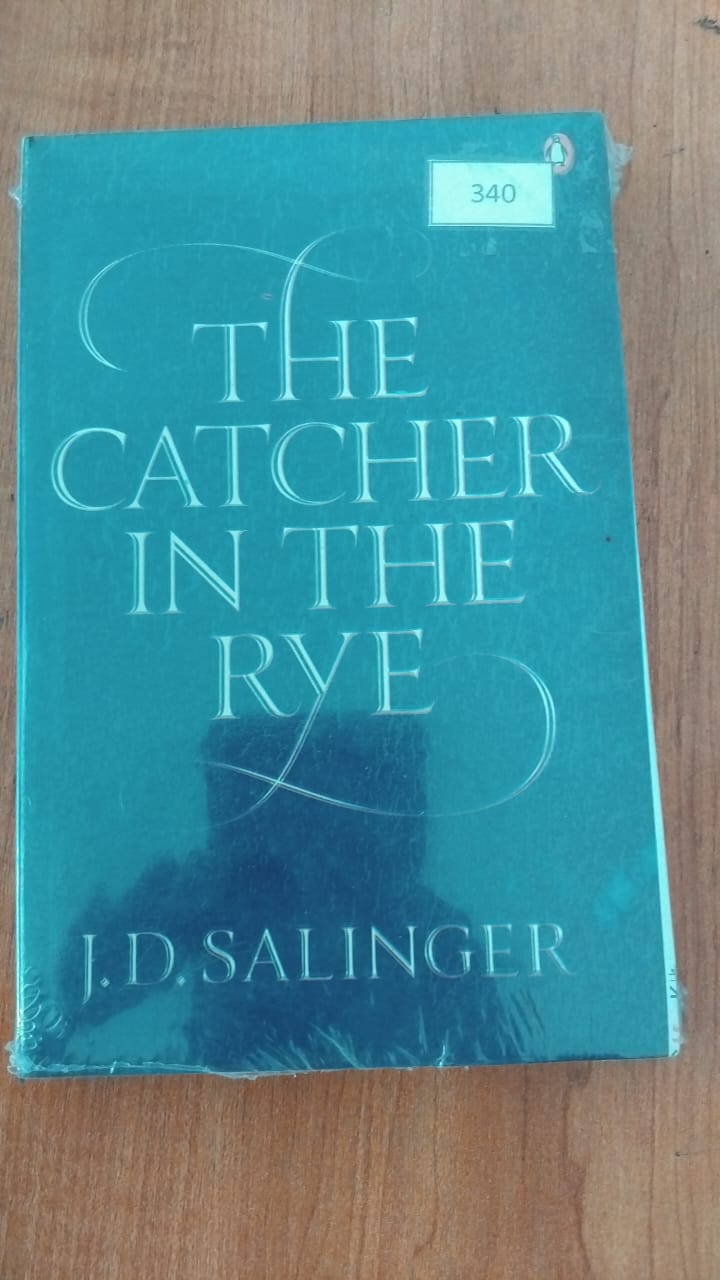
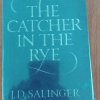
The Catcher in the Rye by J.D. Salinger is one of the most influential novels in modern American literature, known for its raw portrayal of teenage alienation, identity, and emotional confusion. First published in 1951, the novel has remained relevant across generations because of its honest exploration of adolescence and the struggle to find meaning in a world that often feels fake and overwhelming.
The story is narrated by Holden Caulfield, a sixteen-year-old boy who has been expelled from several prep schools. The novel begins with Holden leaving Pencey Prep after failing most of his classes. Instead of returning home immediately, he spends a few days wandering New York City, reflecting on his experiences, frustrations, and fears. The narrative takes place over a short period, but it offers deep insight into Holden’s inner world.
Holden Caulfield is one of the most iconic characters in literature. He is intelligent, sensitive, sarcastic, and deeply troubled. Throughout The Catcher in the Rye by J.D. Salinger, Holden frequently criticizes the adult world, which he views as superficial and “phony.” His constant judgment of others reflects his own insecurity and fear of growing up. Holden struggles to accept the realities of adulthood, responsibility, and loss.
A central theme of The Catcher in the Rye is alienation. Holden feels disconnected from almost everyone around him, including his classmates, teachers, and even his family. He longs for genuine human connection but often pushes people away. This emotional isolation is a key reason why the novel resonates strongly with readers, especially young adults who feel misunderstood or out of place.
Another major theme in The Catcher in the Rye by J.D. Salinger is the loss of innocence. Holden is deeply affected by the death of his younger brother, Allie, who represents purity and goodness to him. Holden’s desire to protect children from the corruption of adulthood is symbolized by his fantasy of being “the catcher in the rye,” someone who saves children from falling off a cliff as they play. This metaphor reflects Holden’s wish to preserve innocence, both in others and in himself.
The novel also explores mental health and emotional instability. Holden’s narration reveals signs of depression, anxiety, and trauma. His frequent mood swings, feelings of emptiness, and inability to cope with loss highlight the importance of understanding emotional struggles. The Catcher in the Rye by J.D. Salinger was ahead of its time in addressing mental health issues in young people.
J.D. Salinger’s writing style is simple, conversational, and deeply personal. The use of first-person narration allows readers to experience Holden’s thoughts directly, creating an intimate connection with the character. Holden’s language is informal and repetitive, reflecting the voice of a confused teenager and adding authenticity to the story.
The setting of New York City plays an important role in the novel. As Holden wanders through hotels, bars, museums, and parks, the city becomes a reflection of his inner turmoil. Despite being surrounded by people, Holden feels intensely lonely. This contrast emphasizes his emotional isolation and confusion.
The Catcher in the Rye by J.D. Salinger also challenges social norms and expectations. Holden questions traditional ideas about success, education, and adulthood. His rejection of conformity and materialism made the novel controversial at the time of its publication, leading to censorship in some schools. However, these same qualities contributed to its lasting impact and popularity.
Over the years, The Catcher in the Rye has become a staple in classrooms and literary discussions. Its themes of identity, alienation, and personal growth continue to resonate with readers of all ages. While some view Holden as cynical or immature, others see him as honest and emotionally vulnerable.
The novel does not provide a clear resolution, reflecting the uncertainty of real life. Holden’s journey is less about external events and more about internal understanding. This open-ended nature allows readers to interpret the story in their own way.
Overall, The Catcher in the Rye by J.D. Salinger is a powerful exploration of adolescence and the fear of growing up. It captures the emotional intensity of youth with honesty and depth. The novel remains a timeless classic, offering insight into the human condition and the universal struggle to find authenticity in a complex world.

Uncategorized




Uncategorized

Uncategorized

Uncategorized

Uncategorized

Uncategorized
Uncategorized

Uncategorized






Reviews
There are no reviews yet.