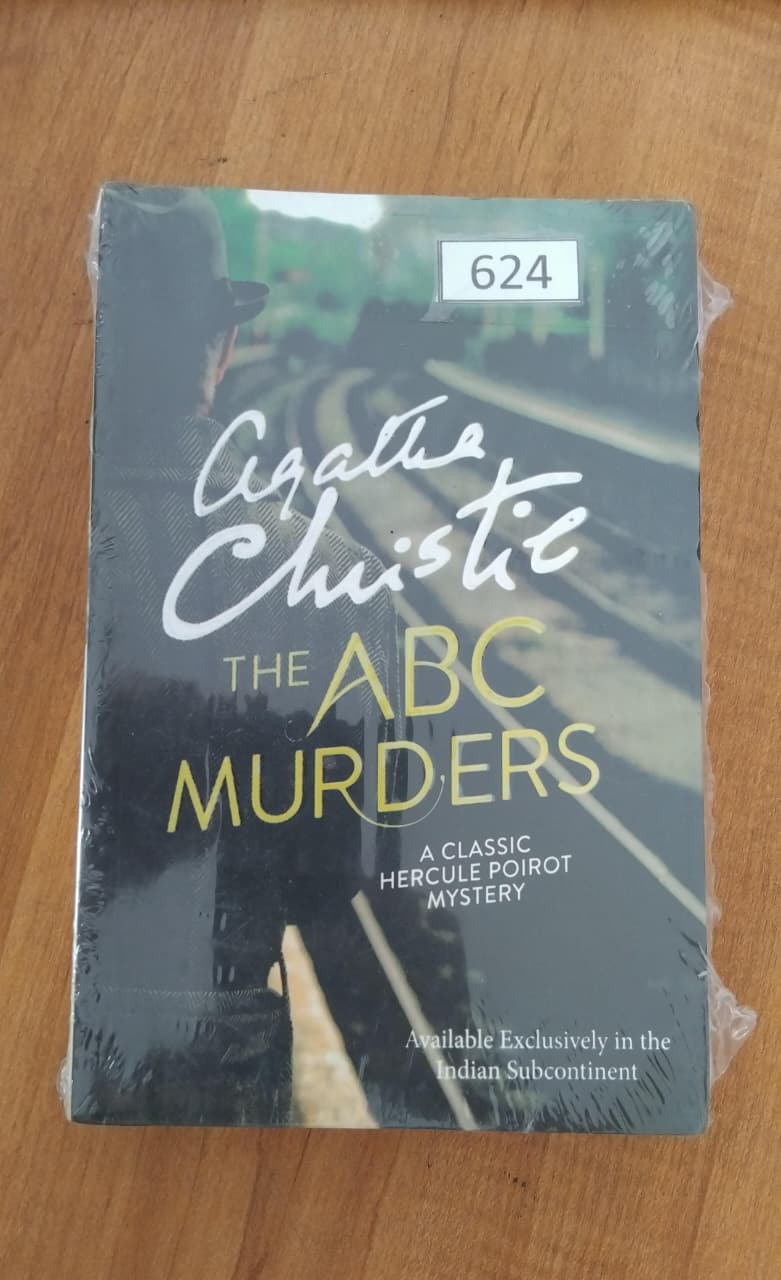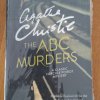
The ABC Murders is one of the most ingenious and suspenseful detective novels written by Agatha Christie, the undisputed Queen of Crime. First published in 1936, this classic Hercule Poirot mystery stands out for its unique structure, psychological depth, and brilliantly misleading clues that challenge both the detective and the reader.
The story begins with an unsettling premise. Hercule Poirot receives a letter signed “A.B.C.” warning him of a murder that will occur in Andover. When the crime happens exactly as predicted, Poirot realizes he is dealing with a calculating and confident killer. Soon, more letters arrive, each announcing a new murder in a town that follows alphabetical order—Bexhill, Churston, and beyond. At each crime scene, an ABC railway guide is deliberately left behind, taunting the authorities and creating a chilling pattern.
What makes The ABC Murders especially compelling is the apparent simplicity of the killer’s method. By arranging murders alphabetically, the criminal seems to be disguising his true motive behind a clever gimmick. Poirot, however, suspects that the pattern itself may be a distraction. This tension between appearance and reality forms the core of the novel and keeps readers constantly questioning what they think they know.
Hercule Poirot is at his analytical best in this book. Unlike many detective stories where the culprit is revealed through sudden inspiration, Poirot’s reasoning here is methodical and deeply psychological. He studies not only the facts of the crimes but also the mindset of the murderer, believing that understanding human nature is the key to solving the case. His attention to emotional inconsistencies and subtle details elevates the investigation beyond simple clue-hunting.
Captain Hastings, Poirot’s loyal friend and companion, also plays an important role in the novel. His straightforward thinking contrasts sharply with Poirot’s complex logic, offering readers a familiar perspective as the mystery unfolds. Hastings’ reactions reflect the reader’s own confusion and shock, especially as the murders escalate and the killer seems unstoppable.
One of the novel’s strengths is its exploration of fear and public panic. As news of the alphabetical murders spreads, the sense of terror grows nationwide. Christie captures this atmosphere brilliantly, showing how a serial killer can manipulate not just individuals but society as a whole. The psychological impact of the crimes adds depth to the narrative and raises the stakes for Poirot and the police.
Another notable feature of The ABC Murders is its use of multiple viewpoints. Christie includes chapters from the killer’s perspective, written in a seemingly honest and emotional tone. These sections are cleverly designed to evoke sympathy while subtly misleading the reader. This narrative choice was groundbreaking at the time and remains one of the most discussed aspects of the novel.
The novel also addresses themes of justice, guilt, and deception. Christie demonstrates how easily appearances can deceive and how dangerous it is to accept surface explanations without deeper analysis. The resolution of the mystery is both logical and surprising, showcasing Christie’s mastery of fair-play detective fiction—where all the clues are present, yet the solution remains elusive until the end.
Christie’s writing style is clear, precise, and highly engaging. She avoids unnecessary description, focusing instead on dialogue, character interaction, and tightly constructed plot progression. This makes The ABC Murders a fast-paced read despite its complex mystery. The balance between suspense and intellectual challenge is one of the reasons the book remains popular decades after its publication.
The ABC Murders is ideal for readers who enjoy classic detective fiction, clever puzzles, and psychological intrigue. It is particularly appealing to fans of Hercule Poirot, as it highlights his unique approach to crime-solving and his belief in logic guided by an understanding of human behavior.
Overall, The ABC Murders is a timeless mystery that exemplifies Agatha Christie’s brilliance. With its innovative structure, unforgettable detective, and expertly crafted twist, the novel remains a cornerstone of crime fiction. It proves why Agatha Christie continues to be one of the most widely read and respected authors in literary history

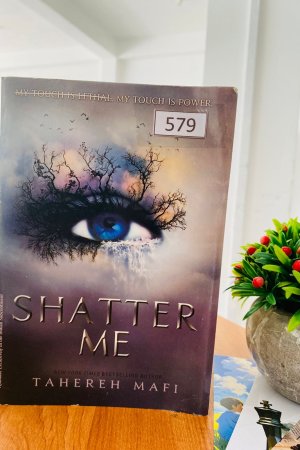
Shatter Me by Tahereh Mafi (579)
Money master the game by Tony Robbins (32)
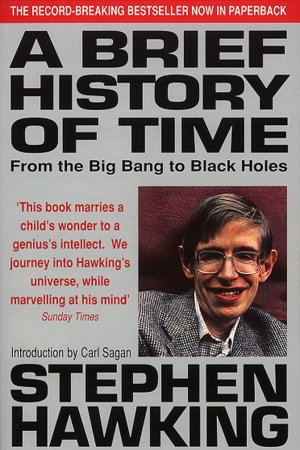
A Brief History of Time by Stephen Hawking (132) 


Reviews
There are no reviews yet.