
-
×
 Before Your Memory Fades by Toshikazu Kawaguchi
1 × රු1,700.00
Before Your Memory Fades by Toshikazu Kawaguchi
1 × රු1,700.00
 Before Your Memory Fades by Toshikazu Kawaguchi
 Subtotal: රු1,700.00
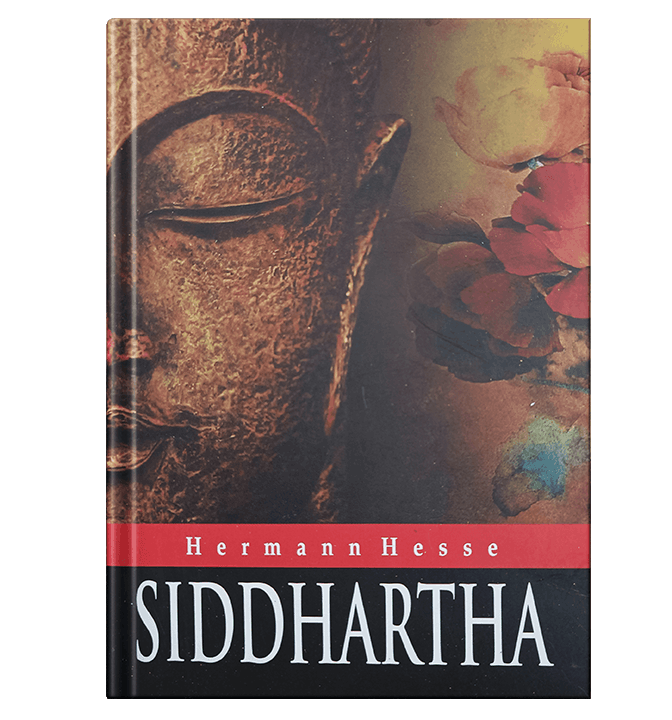
Siddhartha by Hermann Hesse is a timeless philosophical novel that explores the deepest questions of life, identity, and spiritual fulfillment. First published in 1922, this literary masterpiece continues to resonate with readers across generations for its profound insights into self-discovery and inner peace. Set in ancient India during the time of Gautama Buddha, the novel follows the spiritual journey of a young man named Siddhartha as he seeks meaning beyond religious doctrine, wealth, and worldly pleasures.
This is an Indian locally published edition.
At the heart of Siddhartha lies the universal human desire to understand the purpose of life. Siddhartha, the son of a Brahmin, is intelligent, disciplined, and deeply respected, yet he feels an emptiness within. Unsatisfied with traditional teachings and rituals, he embarks on a journey to discover truth through direct experience rather than borrowed wisdom. His path takes him through extremes—strict asceticism, indulgent materialism, and profound solitude—each stage offering valuable lessons.
Although the novel is set against a backdrop of Eastern spirituality, Siddhartha is not tied to any single religion. Hermann Hesse masterfully blends concepts from Buddhism, Hinduism, and Western philosophy, creating a narrative that speaks to readers of all backgrounds. One of the book’s most powerful ideas is that enlightenment cannot be taught; it must be lived. Siddhartha learns that knowledge can be shared, but wisdom must be personally experienced.
Throughout his journey, Siddhartha encounters several influential characters. Govinda, his loyal friend, represents devotion to established teachings. Kamala introduces Siddhartha to love and sensual pleasure, while Kamaswami immerses him in wealth and commerce. Finally, the river and the ferryman Vasudeva become symbols of unity, patience, and eternal truth. Each character reflects a different path in life, helping Siddhartha grow closer to self-realization.
The river is one of the most important symbols in the novel. It represents the flow of life, the unity of all things, and the timeless nature of existence. By listening to the river, Siddhartha learns to hear the harmony of the universe and understands that past, present, and future coexist. This realization marks his spiritual awakening and ultimate peace.
Hesse’s writing style in Siddhartha is deceptively simple, making the book accessible to readers of all levels. Beneath the straightforward prose lies a depth of meaning that encourages reflection and introspection. Every chapter invites readers to pause, think, and relate Siddhartha’s experiences to their own lives.
In a fast-paced, material-driven world, Siddhartha offers a powerful reminder of the importance of slowing down and listening to one’s inner voice. It speaks directly to readers who feel lost, overwhelmed, or disconnected from their true selves. The novel encourages mindfulness, balance, and the courage to follow one’s own path—even when it diverges from societal expectations.
Whether you are interested in philosophy, spirituality, or classic literature, Siddhartha is an essential read. It is especially meaningful for readers seeking personal growth, clarity, and inner harmony. Hermann Hesse’s masterpiece is not just a story—it is an experience that stays with you long after the final page.








Uncategorized

Fiction

Fiction





Reviews
There are no reviews yet.