
-
×
 Legendary by Stephanie Garber
1 × රු4,150.00
Legendary by Stephanie Garber
1 × රු4,150.00
 Legendary by Stephanie Garber
 Subtotal: රු4,150.00
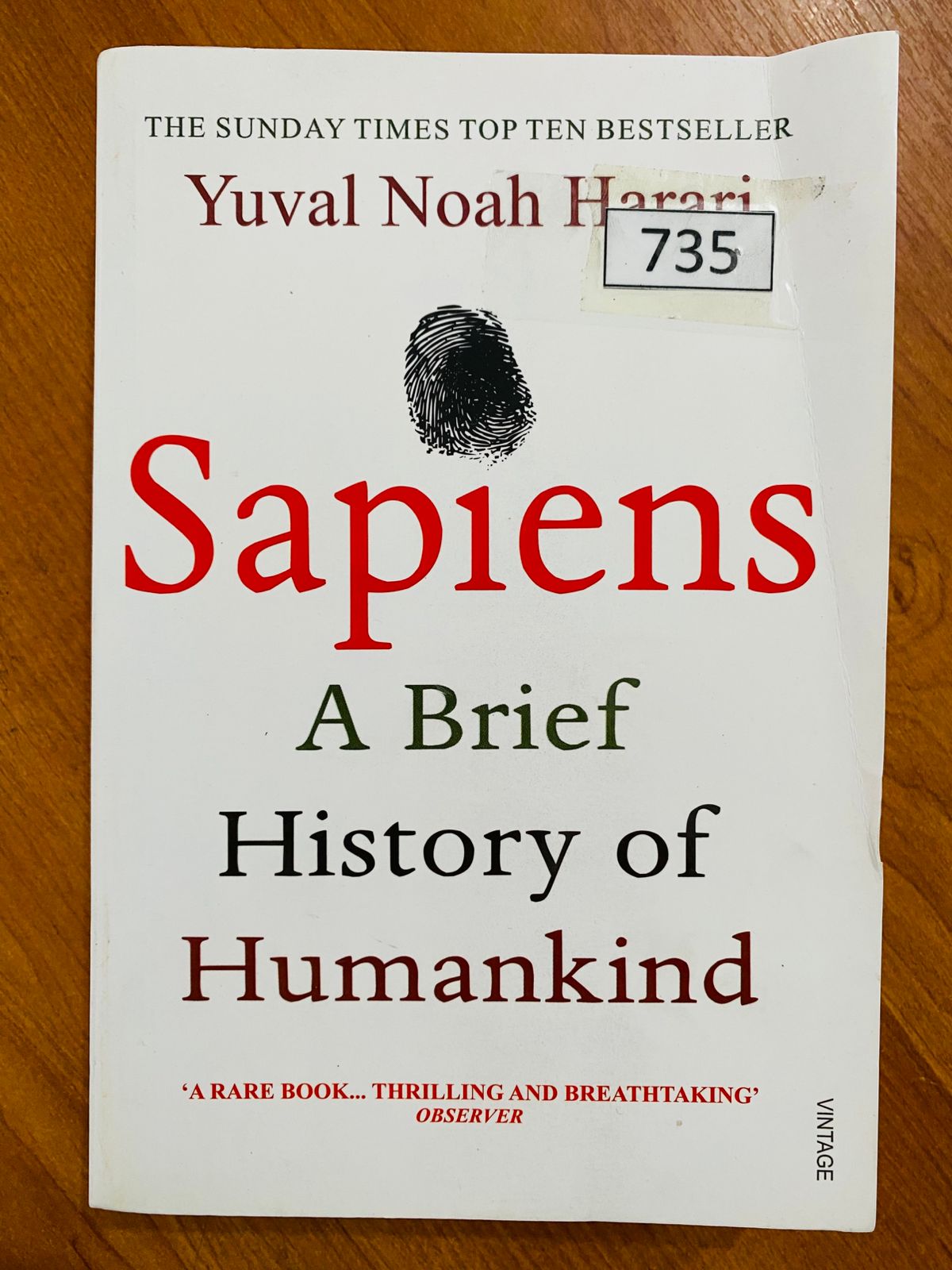
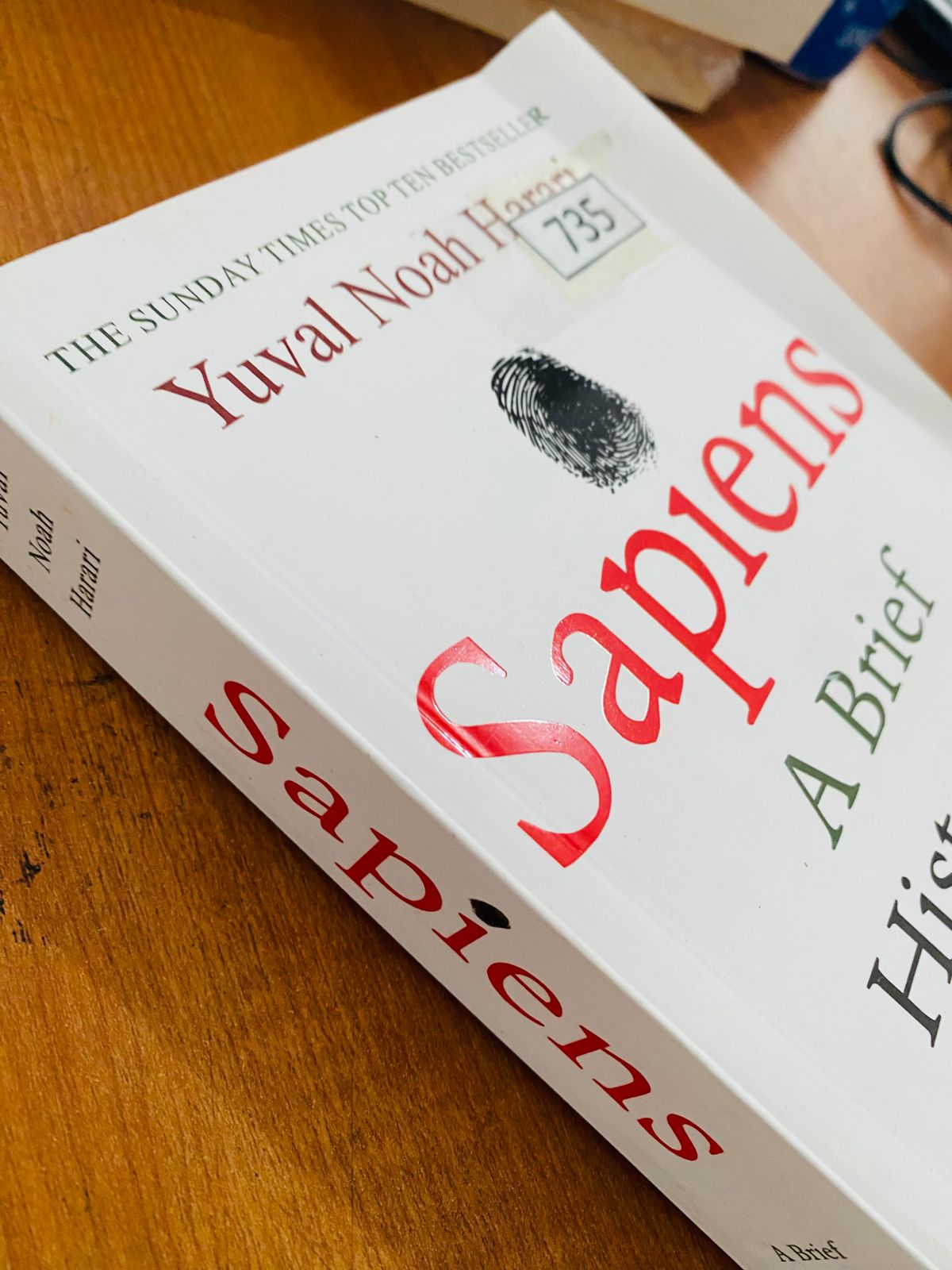
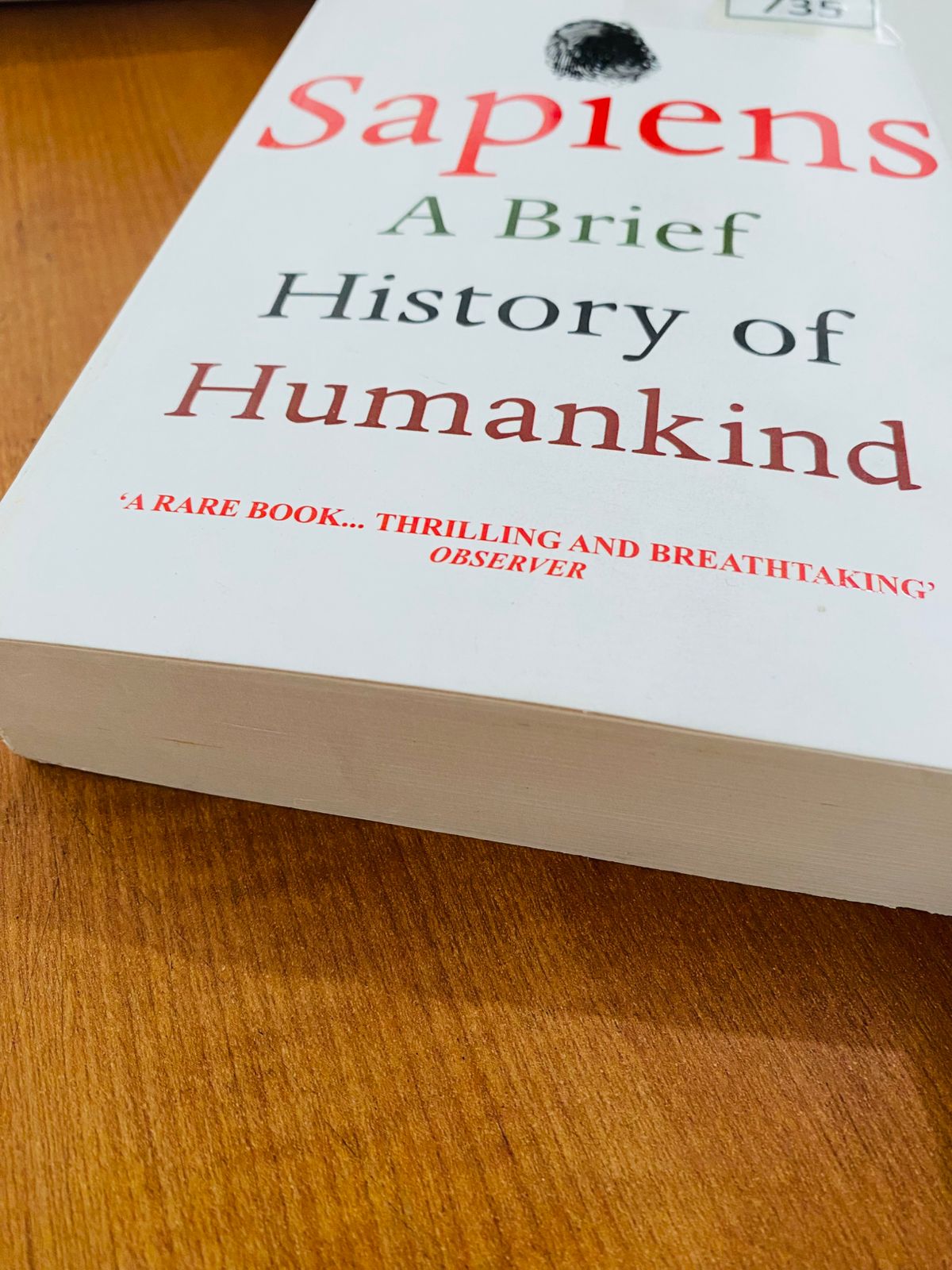
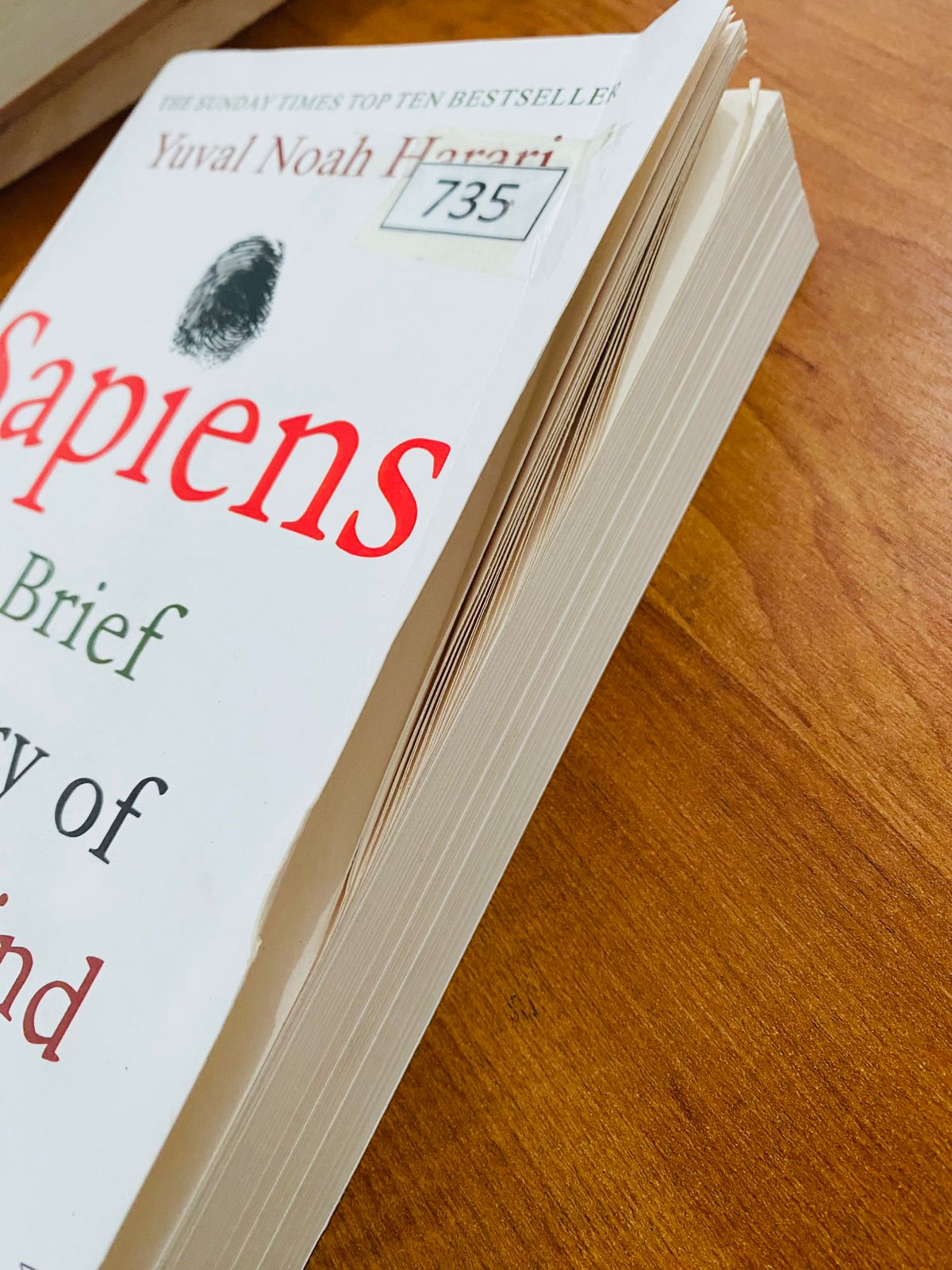
Sapiens: A Brief History of Humankind by Yuval Noah Harari is a groundbreaking and thought-provoking book that explores the entire journey of human history, from the earliest hunter-gatherers to the modern, technology-driven world. Blending history, biology, anthropology, and philosophy, this book challenges how we understand humanity and our place in the world.
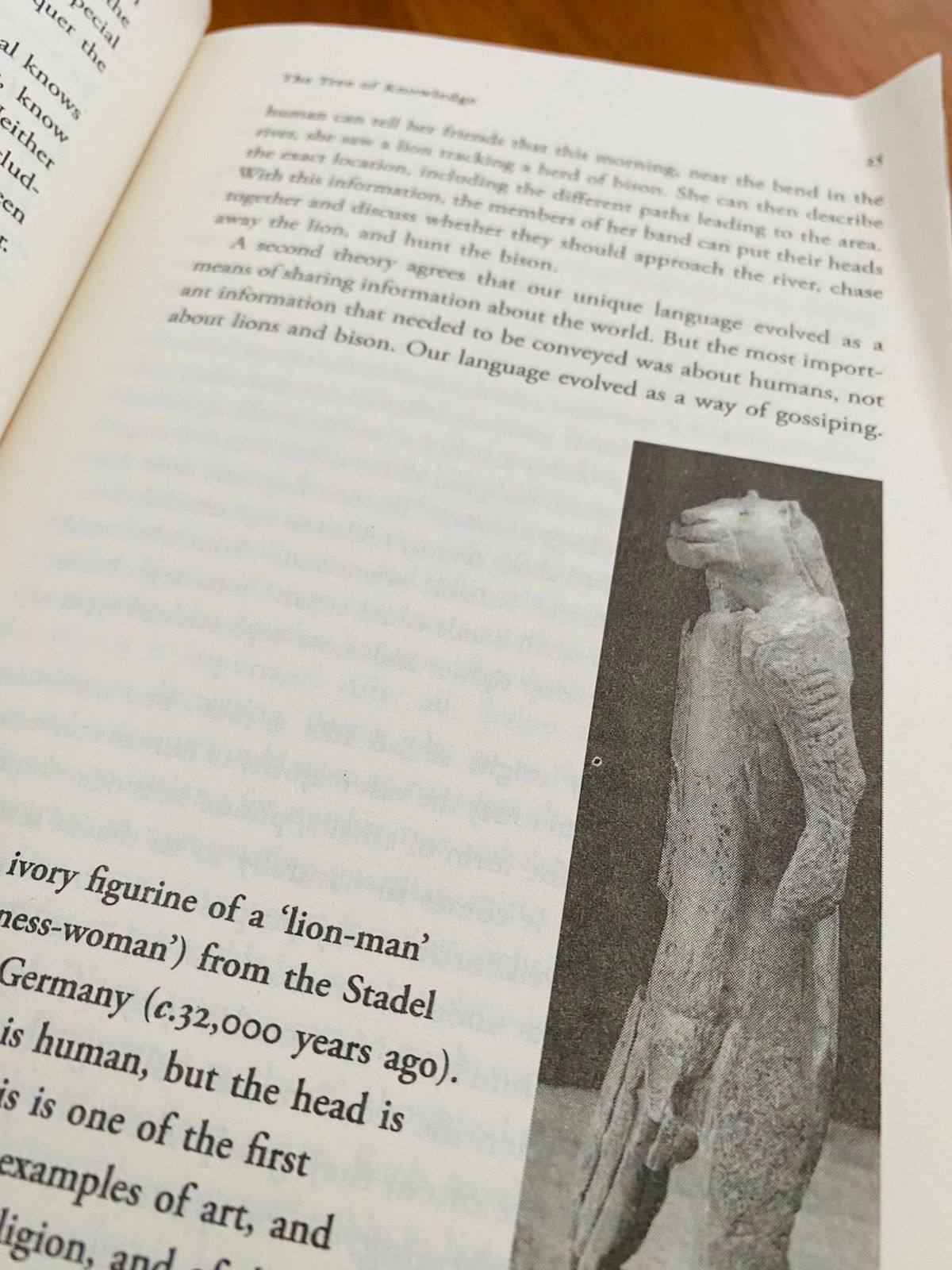
Harari begins by examining the Cognitive Revolution, which occurred around 70,000 years ago. This period marked the moment when humans developed advanced language, imagination, and storytelling abilities. According to the author, these abilities allowed humans to cooperate in large groups, believe in shared myths, and build complex societies. Concepts such as religion, money, nations, and laws exist because humans collectively believe in them.
The book then moves into the Agricultural Revolution, a turning point that transformed humans from nomadic hunter-gatherers into settled farmers. While agriculture is often seen as progress, Harari presents a controversial view, suggesting it may have made individual lives harder despite increasing population size. Farming brought social hierarchies, property ownership, and inequality, shaping the foundations of modern civilization.
One of the strengths of Sapiens is its ability to connect ancient history with modern realities. Harari explains how empires formed, spread cultures, and unified diverse populations under common systems. He explores how money became the most universal system of trust and how religions and ideologies influenced human behavior across centuries.
The book also dives deeply into the Scientific Revolution, which began around 500 years ago. Harari argues that modern science reshaped the world by encouraging humans to admit ignorance and seek knowledge through observation and experimentation. This mindset led to incredible advancements in medicine, technology, and industry, but also enabled colonization, environmental destruction, and ethical dilemmas.
A major theme in Sapiens is the concept of happiness and whether progress has truly made humans happier. Harari questions whether modern humans, despite comfort and longevity, are more fulfilled than their ancestors. He examines how biology, culture, and expectations influence human satisfaction and mental well-being.
In the final sections, the book explores the future of humankind. Harari discusses biotechnology, artificial intelligence, and genetic engineering, raising important questions about what it means to be human in a rapidly changing world. He warns that humans may soon have the power to redesign life itself, potentially creating new forms of inequality and ethical challenges.
Sapiens is written in a clear, engaging, and accessible style, making complex ideas easy to understand for a wide audience. It does not require a background in history or science, yet it offers deep insights that appeal to students, professionals, and curious readers alike.
This book encourages readers to question commonly accepted beliefs and see history from a broader perspective. It is not just a history book, but a reflection on human nature, power, progress, and responsibility.
Overall, Sapiens: A Brief History of Humankind by Yuval Noah Harari is a must-read for anyone interested in understanding where humanity came from, how we shaped the world, and where we might be headed next. It leaves readers informed, challenged, and inspired to think critically about the future of humankind.

Uncategorized





Uncategorized

Uncategorized

Uncategorized

Uncategorized

Uncategorized

Uncategorized

Uncategorized








Reviews
There are no reviews yet.