
-
×
 Before Your Memory Fades by Toshikazu Kawaguchi
1 × රු1,700.00
Before Your Memory Fades by Toshikazu Kawaguchi
1 × රු1,700.00
 Before Your Memory Fades by Toshikazu Kawaguchi
 Subtotal: රු1,700.00
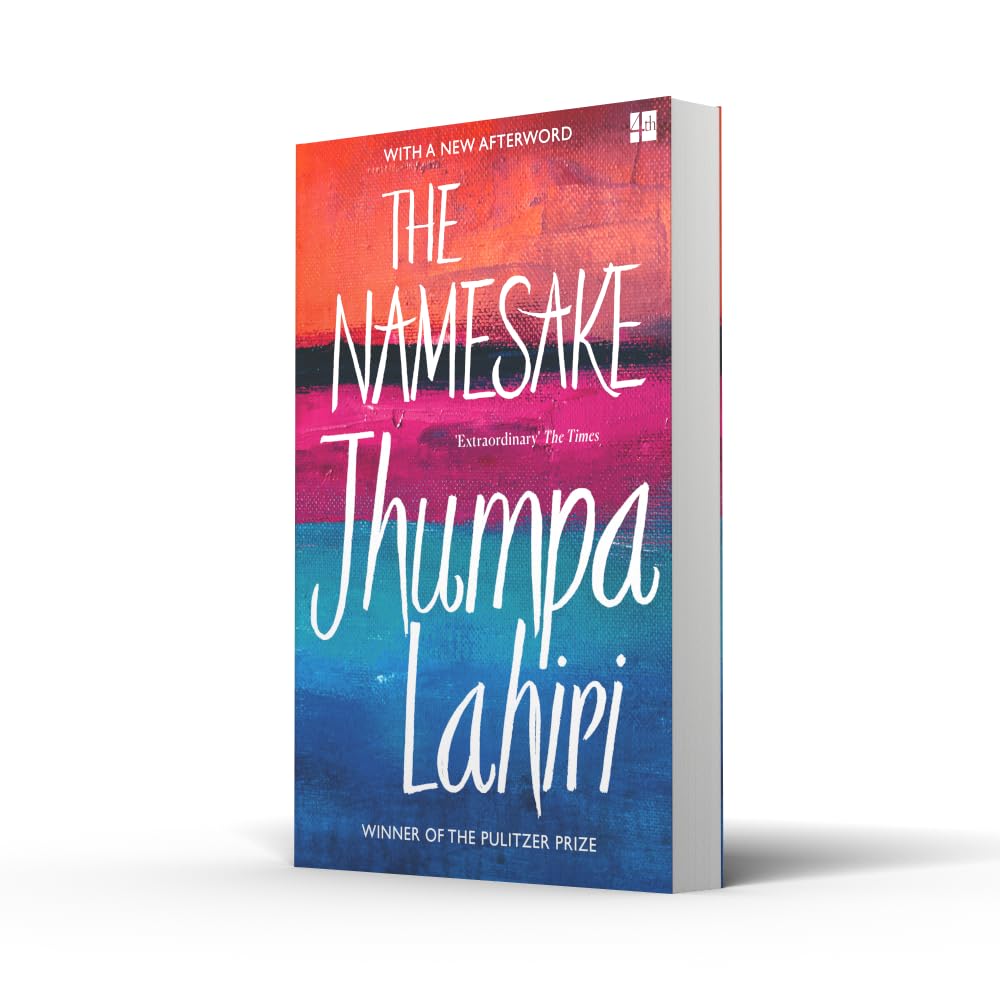
The Namesake by Jhumpa Lahiri is a critically acclaimed work of literary fiction that explores identity, belonging, cultural displacement, and the immigrant experience. Set between India and the United States, the novel follows the life of Gogol Ganguli, the American-born son of Bengali immigrants, as he struggles to reconcile his heritage with his desire for individuality.
With quiet elegance and emotional depth, Jhumpa Lahiri crafts a deeply human story that resonates across cultures and generations. This novel is not only about names and identity, but about family, love, loss, and the search for meaning in an unfamiliar world.
The novel begins with the arrival of Ashoke and Ashima Ganguli in the United States, newly married and far from home. Their first challenge comes with the naming of their son, Gogol—a name chosen under unexpected circumstances and one that will shape his identity in profound ways.
As Gogol grows up in America, he becomes increasingly uncomfortable with his unusual name and what it represents. His journey reflects the inner conflict faced by many children of immigrants: the tension between honoring one’s roots and fitting into a different cultural landscape. The name “Gogol” becomes a symbol of inherited history, emotional baggage, and unspoken expectations.
At its heart, The Namesake is a powerful exploration of identity. Lahiri examines how names, traditions, and family ties influence our sense of self. Gogol’s struggle is not just about changing his name, but about understanding who he is and where he belongs.
The novel also explores cultural duality—the feeling of being caught between two worlds. Gogol is neither fully Indian nor fully American, and this in-between state defines much of his emotional journey. Lahiri portrays this conflict with sensitivity and realism, making the story deeply relatable for readers from immigrant or multicultural backgrounds.
Family relationships form the emotional backbone of the novel. The bond between parents and children, shaped by cultural expectations and emotional restraint, is portrayed with nuance and honesty. Ashima’s loneliness, Ashoke’s quiet resilience, and Gogol’s emotional distance reflect the complexities of immigrant family life.
Romantic relationships in the novel further highlight Gogol’s internal struggles. His relationships with women from different cultural backgrounds mirror his ongoing conflict with identity, commitment, and belonging. Lahiri presents love not as a solution, but as another space where self-understanding is tested.
Jhumpa Lahiri’s prose is understated yet powerful. Her writing is marked by clarity, emotional precision, and subtle symbolism. She avoids dramatic exaggeration, allowing small moments—meals, conversations, silences—to carry profound meaning.
The pacing of the novel mirrors real life, unfolding gradually and allowing readers to grow alongside the characters. This quiet storytelling style is one of Lahiri’s greatest strengths, making The Namesake an emotionally immersive and intellectually rewarding read.
The Namesake holds strong relevance in today’s globalized world, where questions of migration, identity, and cultural belonging are more important than ever. The novel offers insight into the emotional cost of displacement and the resilience required to build a life between cultures.
For Indian readers, the story reflects familiar themes of family expectations, tradition, and emotional restraint. For international readers, it provides an intimate look into the immigrant experience with universal emotional appeal.
This book is ideal for:
Readers of literary and contemporary fiction
Those interested in immigrant and diaspora narratives
Readers who enjoy character-driven, emotional storytelling
Students and book clubs exploring identity and culture
It is especially meaningful for readers navigating questions of selfhood, family, and belonging.
The Namesake by Jhumpa Lahiri is a timeless and deeply moving novel that explores what it means to find oneself while carrying the weight of family history and cultural heritage. Elegant, reflective, and emotionally resonant, this book remains a landmark work in modern literary fiction.
This is an Indian locally published edition. Dust jacket and cover may vary.

Fiction






Fiction

Fiction



Uncategorized











Reviews
There are no reviews yet.