
-
×
 Who Moved My Cheese? by Dr.Spencer Johnson
1 × රු1,250.00
Who Moved My Cheese? by Dr.Spencer Johnson
1 × රු1,250.00
 Who Moved My Cheese? by Dr.Spencer Johnson
 Subtotal: රු1,250.00
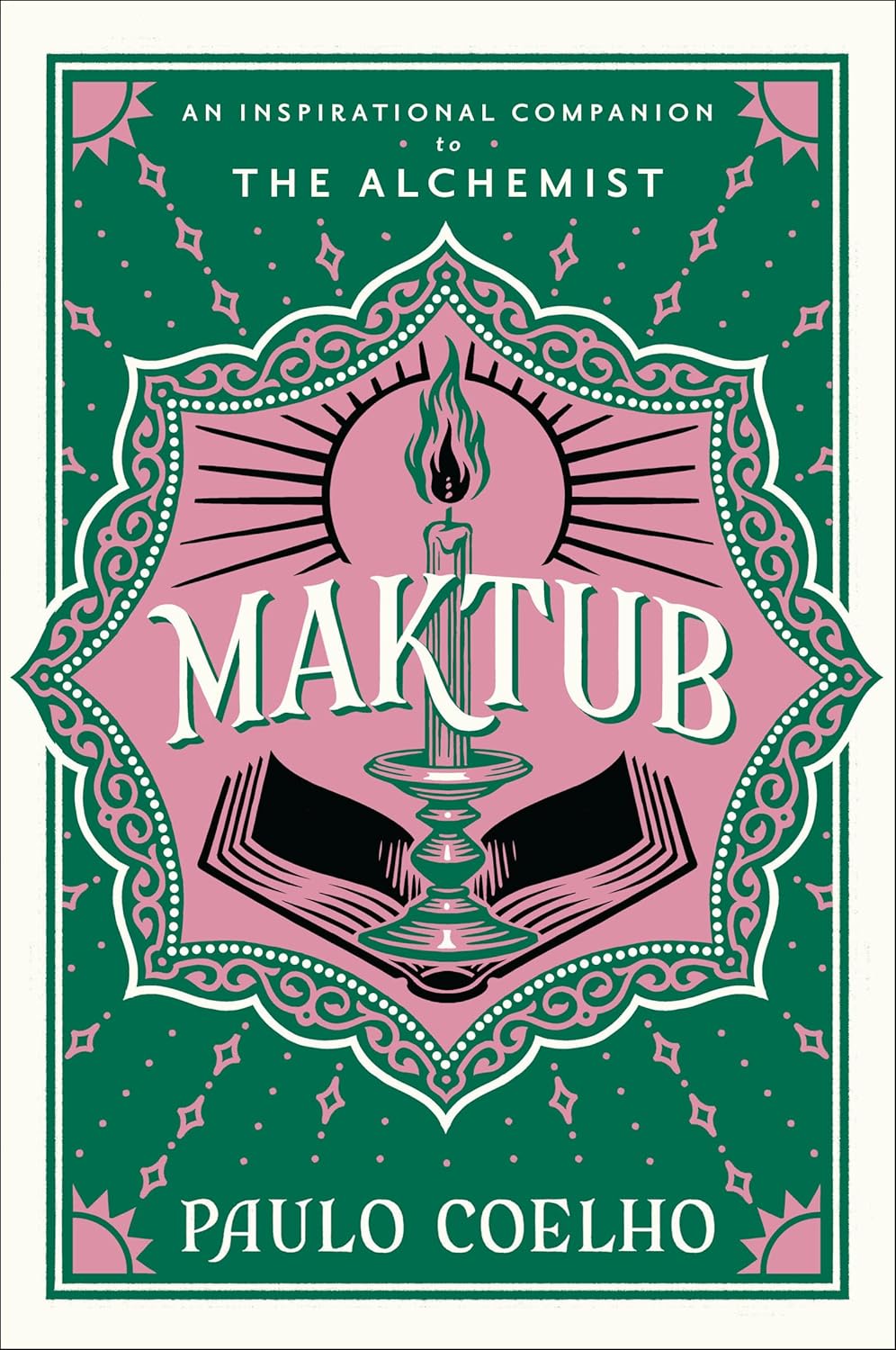
Maktub by Paulo Coelho is a reflective and inspirational work that brings together short parables, philosophical reflections, and timeless wisdom. Unlike traditional novels, Maktub is a collection of thoughts and teachings designed to guide readers toward self-awareness, spiritual growth, and a deeper understanding of life’s purpose. The word Maktub comes from Arabic, meaning “it is written,” symbolizing destiny, acceptance, and the belief that every event in life carries meaning.
Paulo Coelho, internationally renowned for The Alchemist, uses Maktub as a vessel to share insights drawn from spiritual traditions, personal experiences, and universal truths. The book encourages readers to pause, reflect, and engage with life more consciously.
Maktub is structured as a series of short passages rather than a continuous narrative. Each entry stands on its own, offering a lesson or observation that readers can absorb independently. This format allows the book to be read slowly, revisited often, and opened at random — a quality that makes it especially suitable for daily reflection.
The teachings draw inspiration from various spiritual and philosophical sources, including Sufism, Christianity, and Eastern wisdom traditions. Rather than promoting a single belief system, Coelho presents ideas that are universally accessible and adaptable to individual perspectives.
A central theme in Maktub is destiny. Coelho explores the idea that life unfolds according to a larger plan, while also emphasizing personal responsibility and conscious choice. The balance between acceptance and action is a recurring message throughout the book.
Faith is presented not as blind belief, but as trust in life’s process. The book encourages readers to maintain hope during uncertainty and to recognize challenges as opportunities for growth. Coelho’s reflections remind readers that even difficult moments carry lessons that contribute to personal evolution.
One of the defining strengths of Maktub is its simplicity. The language is clear, gentle, and approachable, making complex philosophical ideas easy to understand. The short parables often use everyday situations to illustrate profound truths, allowing readers to connect deeply with the messages.
This simplicity does not diminish depth. Instead, it invites contemplation and personal interpretation. Readers are encouraged to reflect on how each lesson applies to their own lives, making the reading experience deeply personal.
Maktub emphasizes the importance of listening to one’s inner voice and being present in the moment. Coelho highlights mindfulness, patience, and awareness as essential tools for navigating life’s uncertainties.
The book encourages readers to release fear, let go of excessive control, and trust their intuition. These themes resonate strongly with individuals seeking balance, clarity, and meaning in their daily lives.
Paulo Coelho’s writing in Maktub is calm, poetic, and contemplative. The tone is reassuring rather than instructive, offering guidance without judgment. The absence of complex plot or character development allows the focus to remain entirely on ideas and reflection.
The book’s gentle pacing makes it ideal for quiet reading moments, meditation, or spiritual practice. Many readers find themselves returning to the book during times of transition or uncertainty.
Maktub is well-suited for readers interested in self-help, spirituality, and personal development. It appeals to those who enjoy philosophical reflections, motivational insights, and spiritual literature.
The book is ideal for daily reading, gifting, or long-term reference. Its messages are timeless and continue to offer guidance regardless of age or background.
This edition of Maktub is an Indian locally published copy. It contains the complete original content of the international edition, with no missing text or alterations. Any differences are limited to paper quality, cover finish, or printing style only. This makes the book more affordable and accessible for local readers while fully preserving the integrity of Paulo Coelho’s work.

Non-fiction





Non-fiction

Non-fiction

Non-fiction







Reviews
There are no reviews yet.