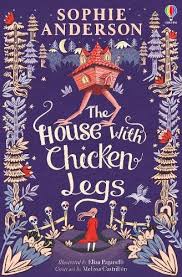
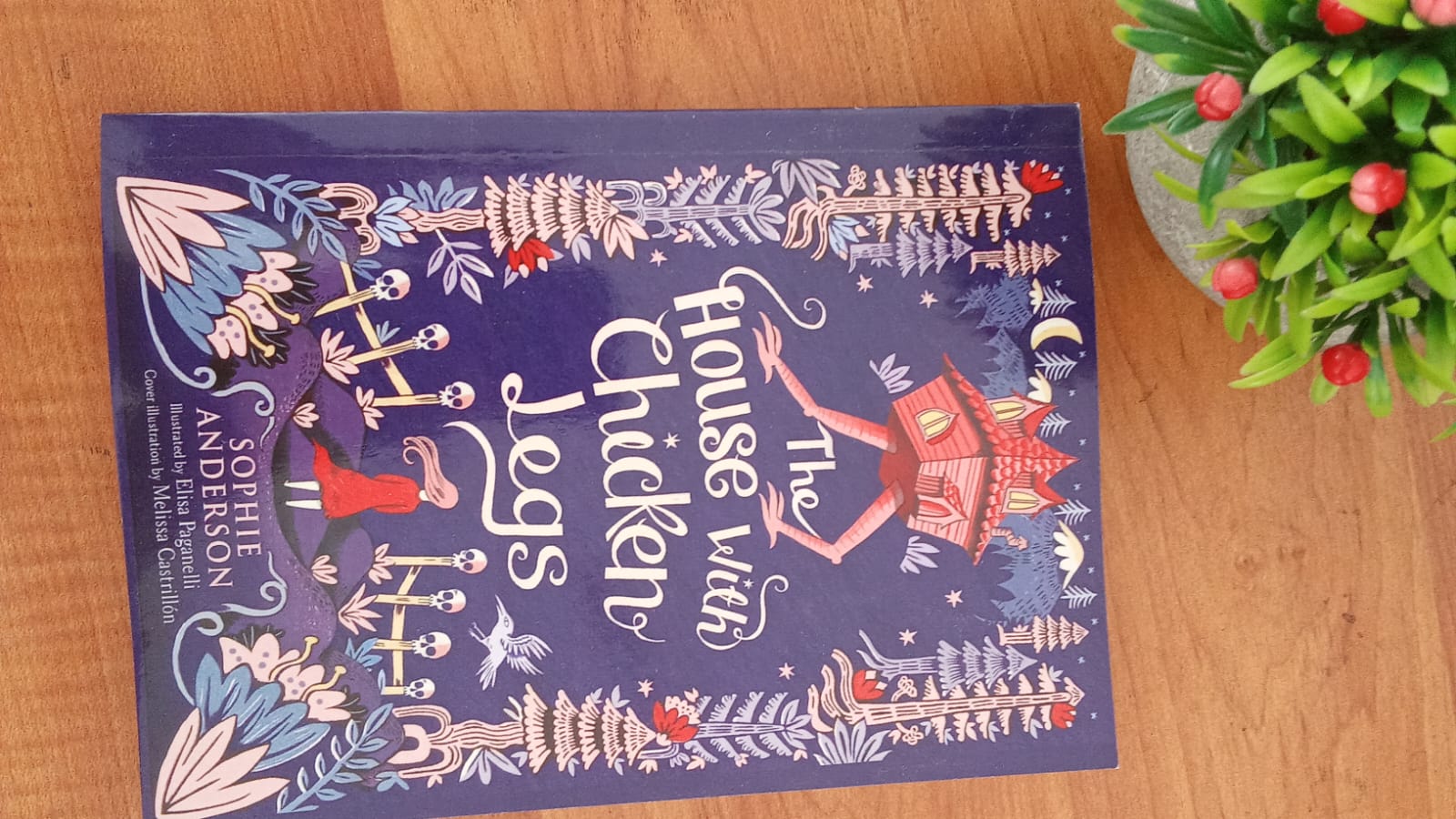
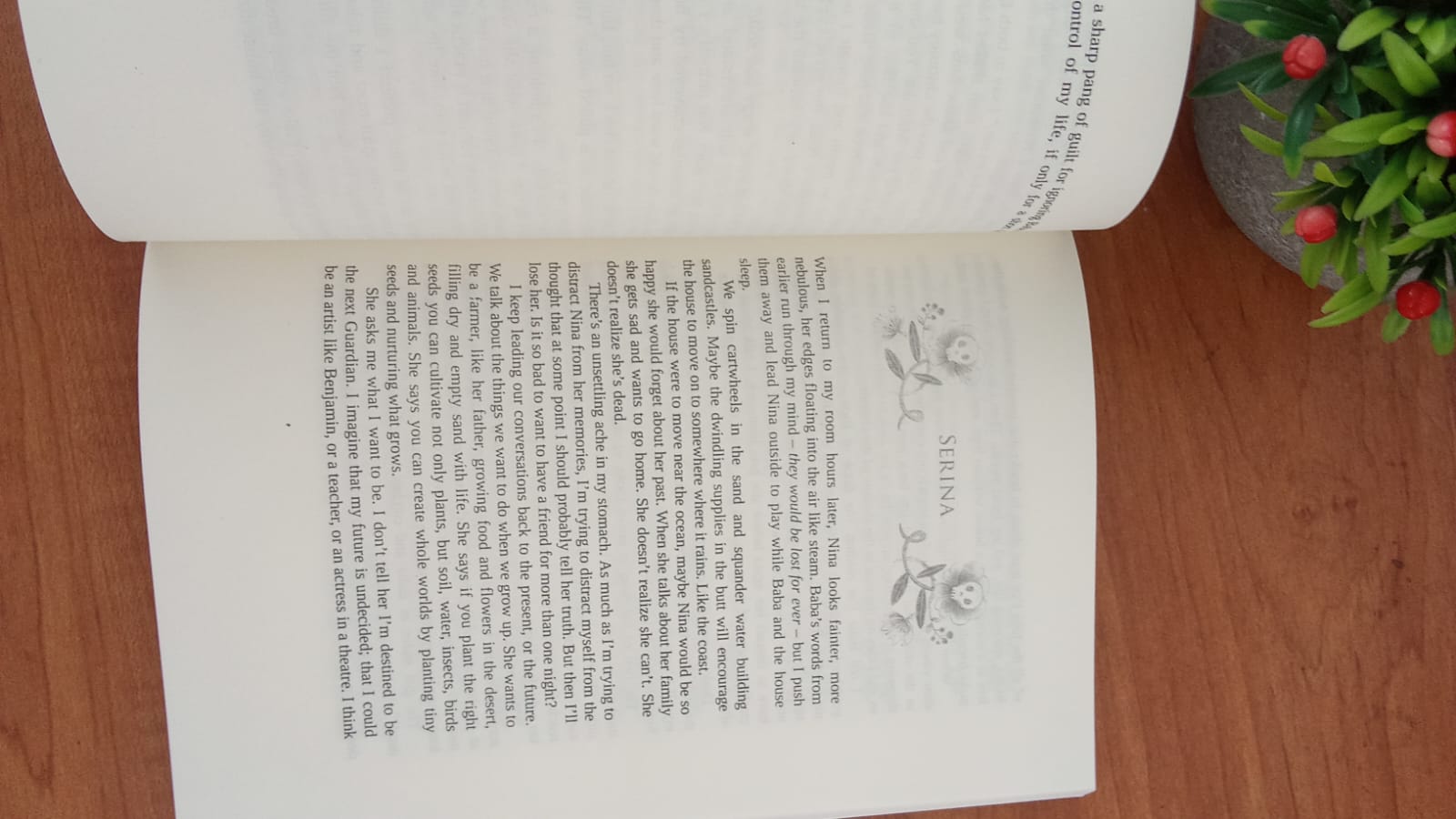
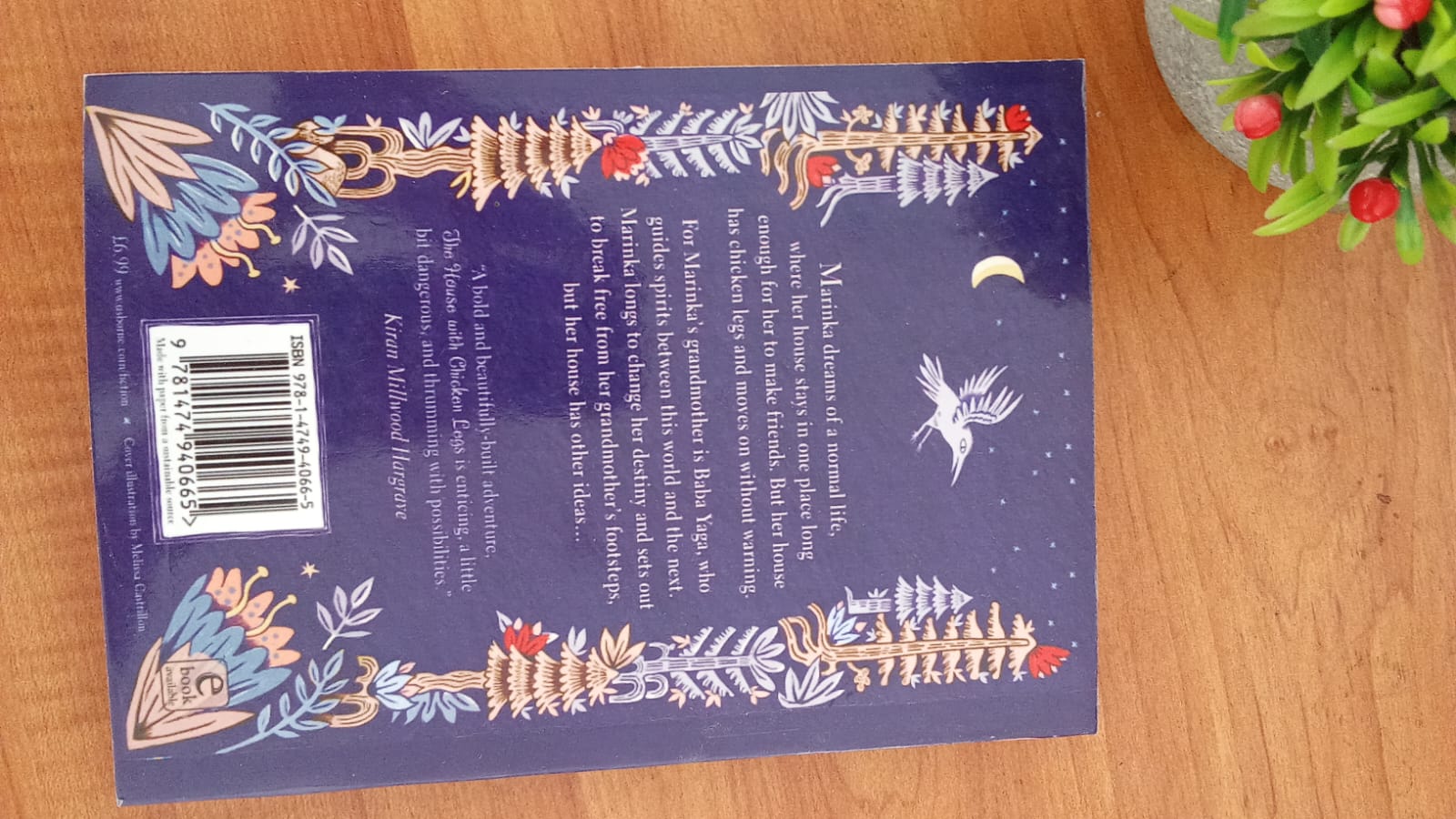

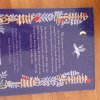
The House with Chicken Legs is a magical and emotional middle-grade fantasy novel that explores themes of family, belonging, grief, and identity. Written by Sophie Anderson, the story follows Marinka, a young girl who lives in a house that stands on chicken legs and moves without warning. Her grandmother is Baba Yaga, a guardian who guides the spirits of the dead into the afterlife.
The central idea of The House with Chicken Legs is that growing up means learning to accept change, responsibility, and one’s true identity. Through Marinka’s journey, readers discover that feeling different or lost is a natural part of finding where you truly belong.
Rather than presenting a simple fantasy adventure, the book blends magical elements with deep emotional themes, making it both imaginative and meaningful.
Belonging Begins With Self-Discovery
One of the earliest lessons in The House with Chicken Legs is the struggle to belong. Marinka feels isolated from the human world because of her unusual life. She cannot form lasting friendships, and she longs for a normal life.
As the story unfolds, she begins to understand that belonging is not about fitting into others’ expectations, but about accepting who you are. Sophie Anderson shows that self-acceptance is the first step toward finding a true sense of home.
A Journey Between Worlds
The book is structured around Marinka’s journey between the world of the living and the world of the dead. Each part of the story introduces new emotional and moral challenges. Readers see how she:
-
Questions her role as Baba Yaga’s granddaughter
-
Struggles with loneliness and isolation
-
Makes choices that have serious consequences
-
Learns the importance of responsibility
-
Begins to understand life, death, and transition
Because the story follows her growth step by step, it feels both magical and deeply personal.
Emotional Growth and Understanding Loss
A major strength of The House with Chicken Legs is its sensitive handling of grief and loss. Marinka’s role connects her directly with death, but she initially resists accepting it.
Through her experiences, she learns that death is not something to fear, but a natural part of life. The book gently teaches readers how to process loss with empathy and understanding, making it especially meaningful for younger audiences.
Choices, Consequences, and Responsibility
The story emphasizes that actions have consequences. Marinka’s decisions, driven by her desire for freedom, lead to unexpected and sometimes painful outcomes.
Instead of avoiding responsibility, she must face the results of her choices. This teaches readers that growth comes from acknowledging mistakes and learning from them, rather than escaping them.
Magic and the Modern Reader
While rooted in Slavic folklore, The House with Chicken Legs feels highly relevant to modern readers. Themes like loneliness, identity, and the desire to belong are universal.
The magical setting — a moving house, spirits, and mysterious journeys — enhances the emotional depth rather than distracting from it. The story reminds readers that even in a magical world, human feelings remain real and relatable.
Family, Love, and Letting Go
At its heart, the book is about family and the bond between Marinka and her grandmother. Their relationship is loving but complex, shaped by duty and expectation.
Marinka learns that love sometimes requires letting go and accepting change. This message adds emotional depth and maturity to the story, making it resonate beyond a typical children’s fantasy.
Who Should Read This Book
This book is ideal for:
-
Young readers who enjoy fantasy and magical worlds
-
Readers interested in folklore and mythology
-
Anyone exploring themes of identity and belonging
-
Parents and educators looking for meaningful stories
-
Readers who enjoy emotional, character-driven narratives
The lessons also appeal to adults who appreciate thoughtful and symbolic storytelling.
Explore More Books
Explore more fantasy and self-growth books here:
https://bargainbooks.lk
Here is the official Wikipedia link for The House with Chicken Legs:
Read The House with Chicken Legs on Wikipedia
Lasting Impact
After reading The House with Chicken Legs, readers often feel a deeper understanding of identity, loss, and belonging. The story encourages acceptance of change and the courage to embrace one’s true self.


Reviews
There are no reviews yet.