
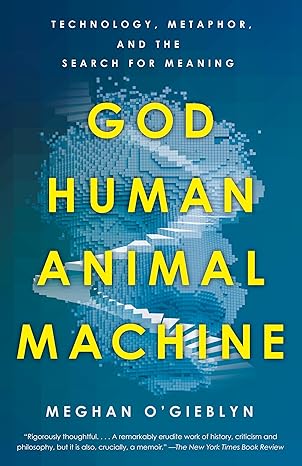
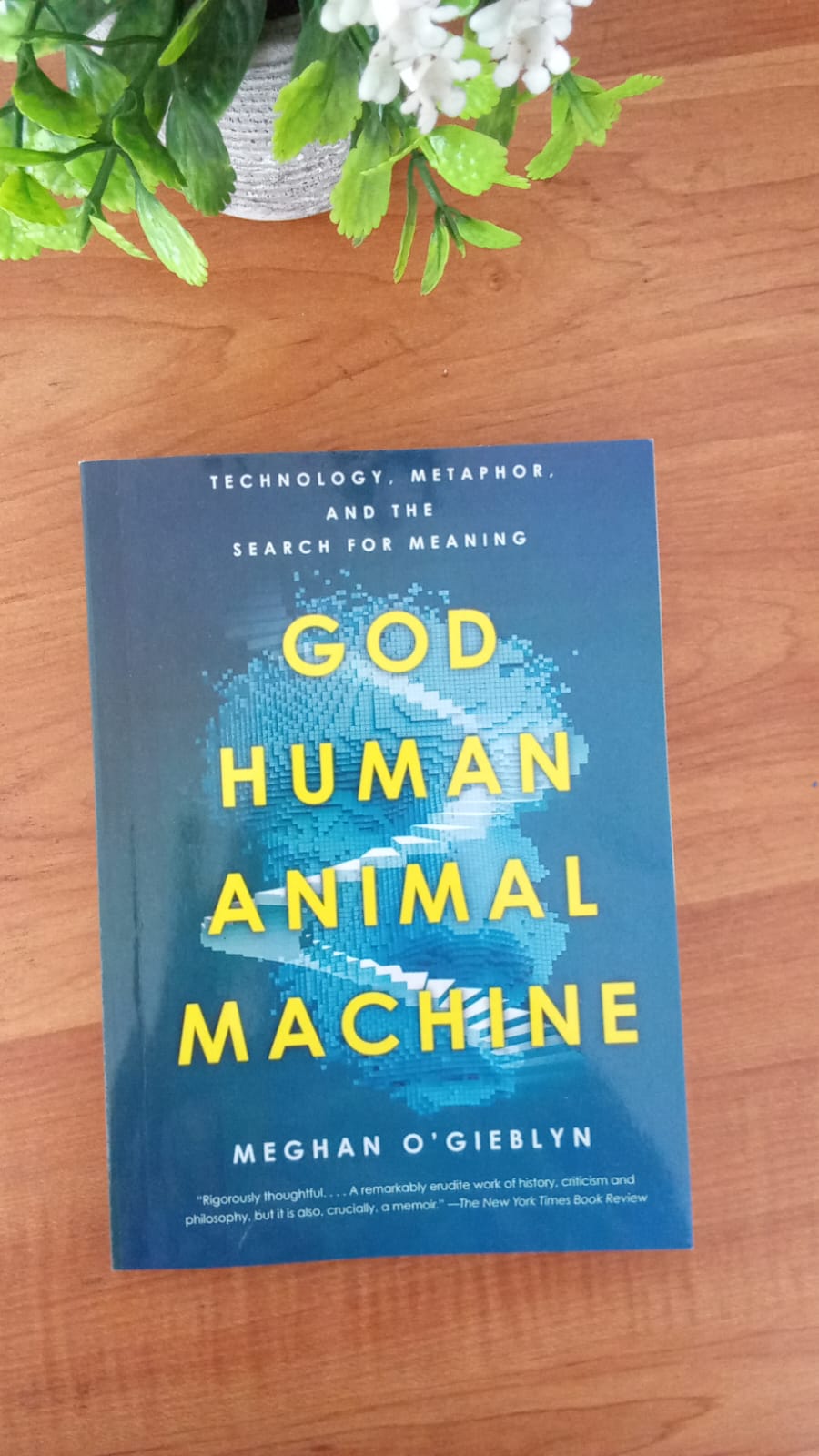

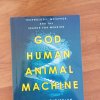


A Thought-Provoking Exploration of Faith, Technology, and Identity – God, Human, Animal, Machine by Meghan O’Gieblyn
God, Human, Animal, Machine by Meghan O’Gieblyn is a deeply reflective and intellectually engaging book that explores the intersection of religion, philosophy, and modern technology. Blending personal narrative with cultural analysis, the book examines how advances in artificial intelligence and science are reshaping our understanding of what it means to be human.
Rather than offering simple answers, the book raises profound questions about consciousness, belief, and the role of technology in our lives. The central idea is that as machines become more human-like, humans are increasingly forced to confront their own identity, purpose, and limitations.
The Search for Meaning in a Technological Age
One of the core themes of the book is humanity’s ongoing search for meaning. As traditional religious beliefs decline for many, technology often takes on a similar role in shaping how people understand existence.
Readers explore:
- The parallels between religion and technology
- How belief systems evolve over time
- The human desire for purpose and explanation
The book suggests that even in a scientific world, the need for meaning remains constant.
What Does It Mean to Be Human?
A central question in God, Human, Animal, Machine is the definition of humanity itself. As artificial intelligence becomes more advanced, the line between human and machine begins to blur.
The book examines:
- Consciousness and self-awareness
- The uniqueness (or limits) of human intelligence
- Whether machines can truly “think” or “feel”
These discussions challenge readers to rethink long-held assumptions about human identity.
Technology as a New Form of Belief
Meghan O’Gieblyn explores how technology can function like a modern belief system. Concepts like immortality through data, artificial intelligence, and digital consciousness echo traditional religious ideas.
Readers learn about:
- Tech culture’s philosophical influences
- The idea of machines as creators or saviors
- The similarities between faith and technological optimism
This perspective makes the book both timely and deeply relevant.
The Relationship Between Humans, Animals, and Machines
The book also explores how humans compare themselves to both animals and machines. These comparisons reveal insights into how people define intelligence, emotion, and value.
The narrative highlights:
- The similarities between human and animal behavior
- The contrast between organic life and artificial systems
- The shifting boundaries of what is considered “alive”
These ideas push readers to reconsider their place in the natural and technological world.
Philosophy Made Accessible
Despite its complex ideas, the book presents philosophy in a clear and engaging way. Meghan O’Gieblyn combines storytelling with analysis, making difficult concepts easier to understand.
Readers experience:
- Personal reflections alongside theoretical ideas
- Clear explanations of complex topics
- A balance between academic insight and relatable writing
This makes the book accessible to a wide audience.
Modern Questions Without Easy Answers
Rather than providing clear conclusions, God, Human, Animal, Machine encourages curiosity and critical thinking. The book invites readers to sit with uncertainty and explore multiple perspectives.
Key questions include:
- Can technology replace religion?
- What defines consciousness?
- Are humans fundamentally different from machines?
These questions stay with readers long after finishing the book.
Who Should Read This Book
This book is ideal for:
- Readers interested in philosophy and technology
- Those curious about artificial intelligence
- Individuals exploring questions of faith and identity
- Anyone who enjoys thoughtful, reflective writing
It is especially suited for readers who enjoy deep, idea-driven books.
Explore More Thought-Provoking Books
Explore more insightful reads here:
https://bargainbooks.lk
Lasting Impact
After reading God, Human, Animal, Machine, readers often find themselves thinking more deeply about their relationship with technology and belief. The book does not offer easy answers, but it opens the door to meaningful reflection.
Be the first to review “God human animal machine by Meghan O’Gieblyn”
Related products






Non-fiction
Non-fiction

Non-fiction

Non-fiction

Non-fiction
Non-fiction

Self-Help
Reviews
There are no reviews yet.