
-
×
 The 10X Rule by Grant Cardone (Hardcover)
1 × රු2,250.00
The 10X Rule by Grant Cardone (Hardcover)
1 × රු2,250.00
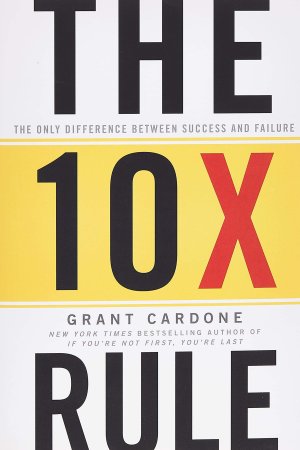 The 10X Rule by Grant Cardone (Hardcover)
 Subtotal: රු2,250.00
රු1,750.00





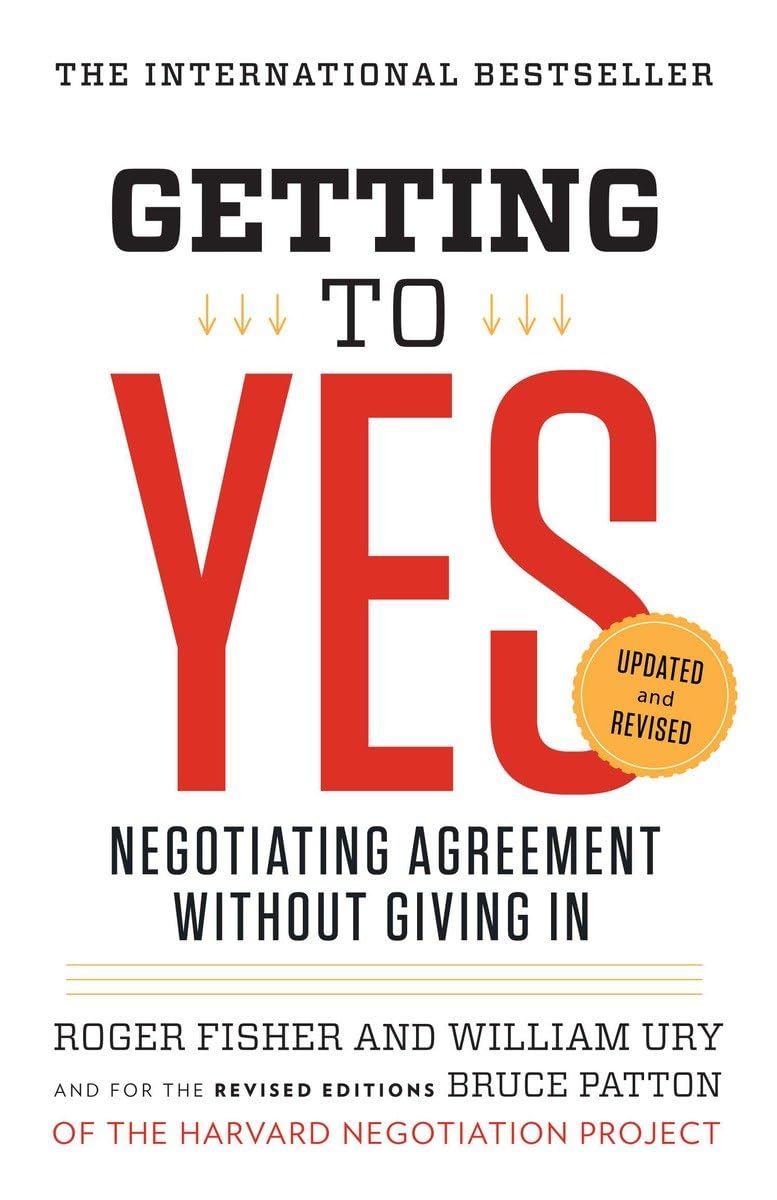
Getting to Yes by Roger Fisher and William Ury is a classic negotiation guide that teaches principled strategies for reaching fair, win-win agreements.
5 in stock
Getting to Yes by Roger Fisher and William Ury is a globally acclaimed book on negotiation and conflict resolution. First developed through the Harvard Negotiation Project, this book introduces a practical, principled approach to negotiation that focuses on mutual gain rather than confrontation. Instead of treating negotiation as a battle of wills, Getting to Yes teaches readers how to reach fair, lasting agreements that benefit all parties involved.
This book is considered a foundational text for negotiators in business, law, diplomacy, management, and everyday life. Its principles are applicable not only in formal negotiations but also in personal relationships, workplace discussions, and conflict resolution scenarios.
At the heart of Getting to Yes is the concept of principled negotiation. Roger Fisher and William Ury argue that effective negotiation should be based on interests, not positions. Positions are what people say they want, while interests are the underlying needs, concerns, and motivations behind those positions.
By focusing on interests, negotiators can uncover common ground and generate solutions that satisfy everyone involved. This approach reduces conflict and creates agreements that are more sustainable and satisfying over time.
One of the book’s most important principles is separating the people from the problem. Getting to Yes explains that emotions, miscommunication, and perceptions often interfere with productive negotiation. By addressing relationship issues separately from the substantive problem, negotiators can maintain respect and trust while working toward a solution.
The book provides guidance on managing emotions, improving communication, and building mutual understanding. These skills are essential for resolving disputes without damaging relationships.
Another core lesson in Getting to Yes is the importance of identifying interests rather than arguing over fixed positions. When negotiators cling to positions, discussions often reach a deadlock. By exploring the reasons behind those positions, new options and compromises can emerge.
The authors demonstrate how asking the right questions and listening actively can reveal shared interests. This shift in perspective allows for creative problem-solving and more effective agreements.
Getting to Yes encourages negotiators to brainstorm multiple options before deciding on a final agreement. Rather than viewing negotiation as a zero-sum game, the book promotes the idea of expanding the pie so that all parties gain value.
The authors explain techniques for generating creative solutions, avoiding premature judgment, and collaborating rather than competing. This principle is especially valuable in business negotiations, partnerships, and team decision-making.
To avoid power struggles and unfair pressure, Getting to Yes recommends using objective criteria. This means basing agreements on independent standards such as market value, expert opinions, legal precedents, or industry norms.
By relying on objective criteria, negotiators can reach agreements that feel fair and reasonable to everyone involved. This reduces resentment and increases commitment to the final outcome.
One of the most widely recognized concepts from Getting to Yes is BATNA, or Best Alternative to a Negotiated Agreement. The book explains that understanding your BATNA strengthens your negotiating position and helps you avoid accepting unfavorable terms.
Knowing your BATNA provides confidence and clarity. It allows negotiators to walk away from bad deals and negotiate more effectively from a position of strength.
Getting to Yes is written in a clear, structured, and accessible style. The authors use real-life examples, case studies, and practical advice to make the concepts easy to understand and apply. The book avoids complex theory, focusing instead on actionable strategies.
Its practical nature makes it suitable for beginners as well as experienced negotiators. The principles can be applied immediately in everyday conversations, business deals, and conflict resolution situations.
This edition of Getting to Yes by Roger Fisher and William Ury is an Indian locally published copy, offering affordability while preserving the complete original content. It is ideal for students, professionals, managers, lawyers, entrepreneurs, and anyone interested in negotiation and communication skills.
The book is suitable for academic study, professional training, and personal development. It is widely recommended in business schools and leadership programs.


Non-fiction

Self-Help

Non-fiction

Non-fiction

Business

Non-fiction

Reviews
There are no reviews yet.