
-
×
 Atomic Habits by James Clear (286)
1 × රු1,950.00
Atomic Habits by James Clear (286)
1 × රු1,950.00
Subtotal: රු1,950.00
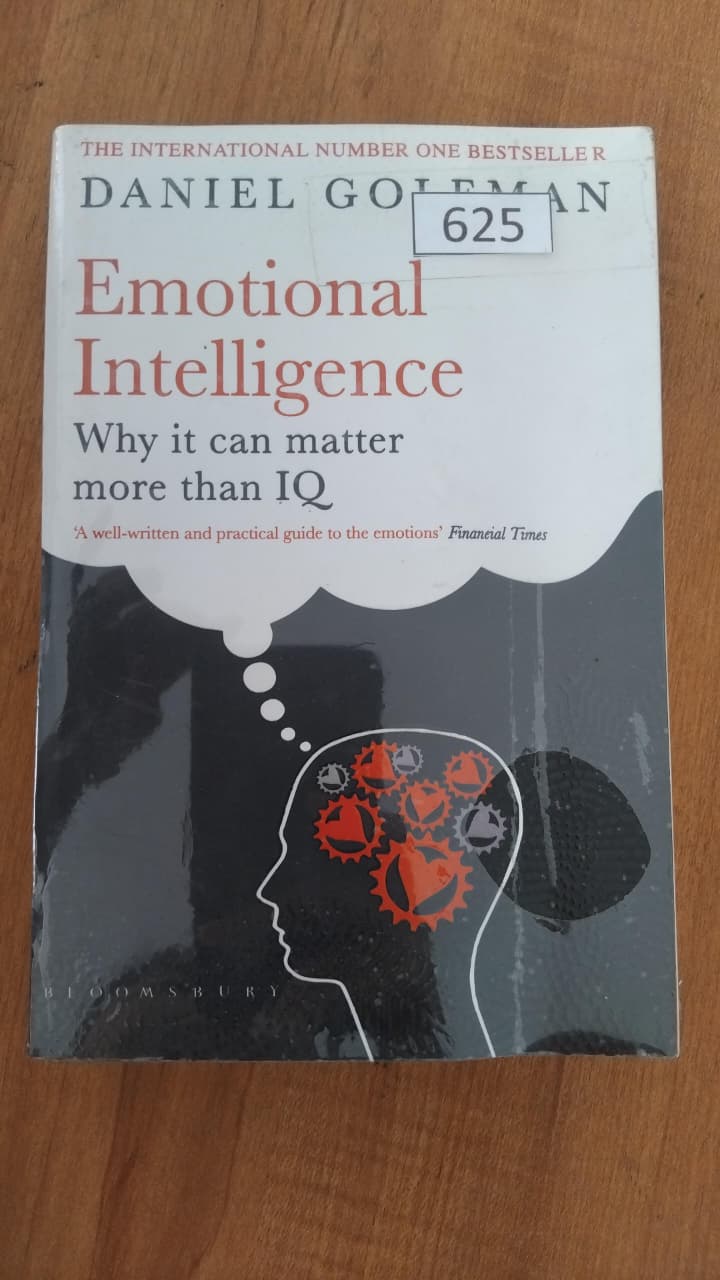
Emotional Intelligence is a groundbreaking psychology and self-development book written by Daniel Goleman, an internationally renowned psychologist and science journalist. First published in the mid-1990s, this influential book transformed the way the world understands intelligence, success, leadership, and human potential.
For decades, intelligence was measured almost exclusively by IQ. High IQ scores were believed to be the strongest predictors of academic achievement, career success, and life outcomes. However, Daniel Goleman challenges this long-held belief by introducing the concept of emotional intelligence (EQ)—a set of emotional and social skills that often matter more than raw cognitive ability.
At its core, Emotional Intelligence argues that qualities such as self-awareness, self-control, empathy, motivation, and social skills play a crucial role in determining how well individuals manage themselves and their relationships. Goleman presents compelling scientific evidence showing that people with strong emotional intelligence tend to perform better at work, build healthier relationships, and experience greater overall well-being.
The book explains that emotional intelligence is not fixed at birth. Unlike IQ, which remains relatively stable throughout life, EQ can be developed and strengthened over time. This makes emotional intelligence a powerful and hopeful concept, as it means individuals can actively improve their emotional skills through awareness, practice, and learning.
Goleman breaks emotional intelligence into five key components. The first is self-awareness, which involves recognizing one’s own emotions and understanding how they influence thoughts and behavior. Without self-awareness, individuals may act impulsively or make poor decisions without understanding why. Developing this skill allows people to respond thoughtfully rather than react emotionally.
The second component is self-regulation, or emotional self-control. This refers to the ability to manage disruptive emotions, resist impulsive behavior, and adapt to changing circumstances. Goleman explains that individuals who can regulate their emotions tend to handle stress better, make clearer decisions, and maintain professionalism under pressure.
The third element is motivation, particularly intrinsic motivation. Emotionally intelligent people are driven by internal values such as purpose, curiosity, and personal growth rather than external rewards alone. This type of motivation leads to persistence, resilience, and long-term success even in the face of setbacks.
Empathy, the fourth component, is the ability to understand and share the feelings of others. Goleman highlights empathy as a foundational skill for building meaningful relationships, effective leadership, and teamwork. In an increasingly interconnected world, empathy allows individuals to communicate more effectively and respond with compassion.
The final component is social skills, which include communication, conflict resolution, collaboration, and influence. Goleman shows how emotionally intelligent individuals navigate social situations with ease, build trust, and inspire others. These skills are especially valuable in leadership roles, where managing people is just as important as managing tasks.
One of the most impactful aspects of Emotional Intelligence is its application to leadership and the workplace. Goleman demonstrates that great leaders are not defined solely by technical expertise or intelligence but by their ability to manage emotions—both their own and those of others. Leaders with high EQ create positive work environments, motivate teams, and drive sustainable success.
The book also explores emotional intelligence in education, relationships, parenting, and mental health. Goleman argues that teaching emotional skills early in life can prevent behavioral problems, improve academic performance, and promote lifelong emotional well-being. This insight has influenced educational systems and corporate training programs worldwide.
Daniel Goleman supports his ideas with extensive research from neuroscience, psychology, and behavioral science. He explains how emotions originate in the brain and how emotional responses can either enhance or sabotage rational thinking. By understanding the brain’s emotional processes, readers gain practical tools for managing stress, anger, anxiety, and interpersonal conflict.
Despite its scientific foundation, Emotional Intelligence is written in a clear and engaging style, making complex ideas accessible to a wide audience. The book balances research with real-life examples, making it both informative and practical.
In conclusion, Emotional Intelligence is a timeless and essential book for anyone seeking personal growth, better relationships, and professional success. Daniel Goleman’s work reshaped how intelligence is defined and proved that emotional skills are not optional extras but core abilities for a fulfilling and successful life.

Damaged & Imperfect Books





Damaged & Imperfect Books

Damaged & Imperfect Books
Damaged & Imperfect Books

Damaged & Imperfect Books








Reviews
There are no reviews yet.