
-
×
 Ego Is the Enemy by Ryan Holiday-Hard Cover (622)
1 × රු950.00
Ego Is the Enemy by Ryan Holiday-Hard Cover (622)
1 × රු950.00
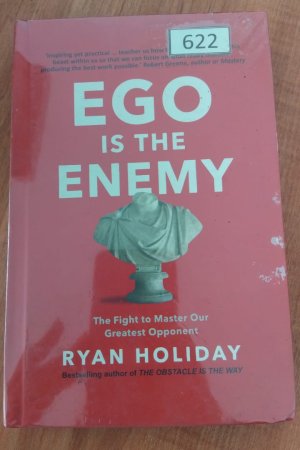 Ego Is the Enemy by Ryan Holiday-Hard Cover (622)
 Subtotal: රු950.00
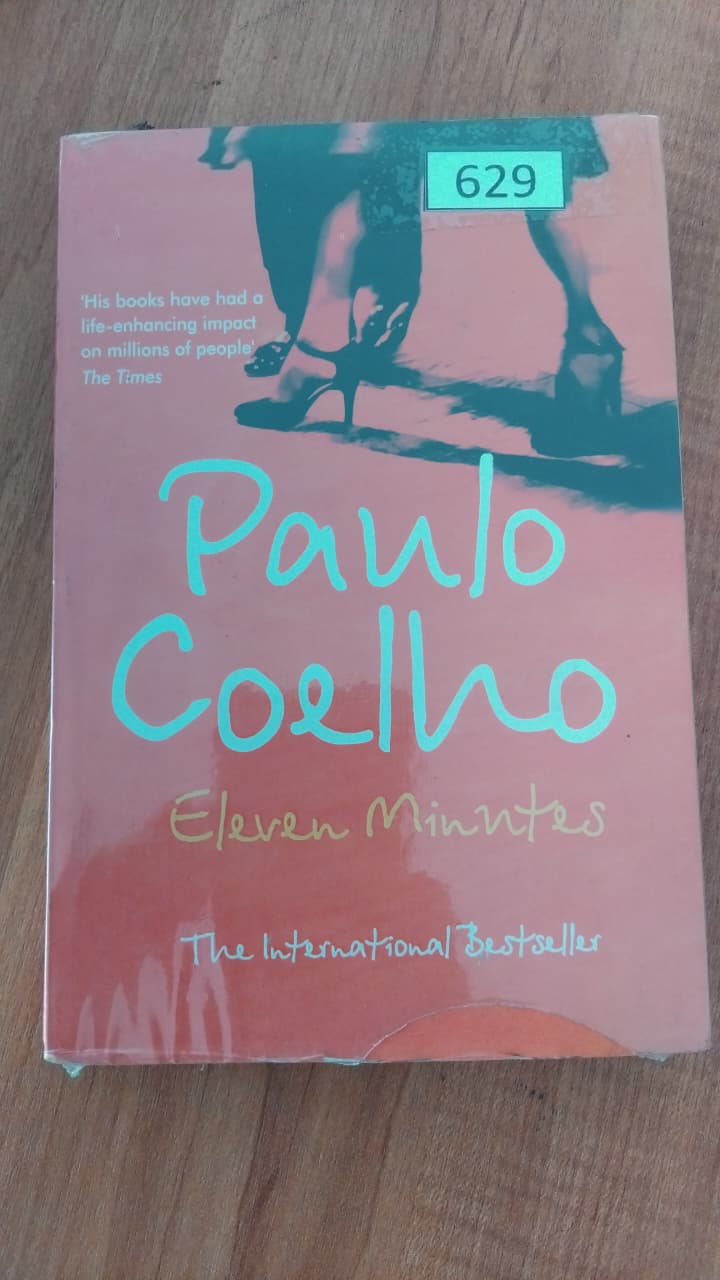
Eleven Minutes is a bold and thought-provoking novel written by Paulo Coelho, the internationally bestselling author known for exploring spiritual themes through deeply human stories. First published in 2003, Eleven Minutes challenges conventional ideas about love, intimacy, and happiness, offering readers a raw yet philosophical journey into the human soul.
The novel follows the life of Maria, a young woman from a small village in Brazil who dreams of love, adventure, and a life beyond her humble beginnings. Disappointed by early heartbreaks and limited opportunities, Maria decides to travel to Switzerland in search of a better future. What begins as a hopeful journey soon leads her into an unexpected world that forces her to confront society’s taboos, her own fears, and the true meaning of love.
At the center of Eleven Minutes is the idea that sexuality is often misunderstood. Paulo Coelho presents intimacy not merely as physical pleasure, but as a powerful emotional and spiritual experience. Through Maria’s experiences, the novel explores how desire, pain, loneliness, and love are deeply interconnected. Coelho challenges readers to look beyond judgment and recognize the complexity of human emotions.
Maria’s journey is marked by both external and internal struggles. While she becomes financially independent, she also builds emotional walls to protect herself from further heartbreak. Her diary entries throughout the novel provide insight into her inner world, revealing her vulnerability, confusion, and gradual self-awareness. These reflections add depth to the story and allow readers to connect closely with her emotional growth.
A pivotal moment in the novel occurs when Maria meets a painter who sees beyond her profession and recognizes her true self. Their relationship introduces a different dimension of love—one based on trust, respect, and emotional connection rather than physical desire alone. This contrast allows Coelho to examine the difference between pleasure and fulfillment, highlighting that true intimacy requires courage and honesty.
One of the most powerful themes in Eleven Minutes is self-discovery. Maria’s experiences force her to question who she is and what she truly wants from life. Through moments of pain and reflection, she begins to understand that happiness is not defined by social norms or material success, but by self-acceptance and emotional freedom.
The novel also addresses the concept of choice. Coelho emphasizes that every individual has the power to shape their destiny, even when circumstances seem limiting. Maria’s decisions—both wise and flawed—illustrate that growth often comes from embracing uncertainty and learning from mistakes.
Paulo Coelho’s writing style in Eleven Minutes is simple yet deeply poetic. His prose is filled with philosophical insights that encourage readers to reflect on their own beliefs about love, relationships, and personal fulfillment. Rather than offering clear answers, Coelho invites readers to ask difficult questions and seek their own truths.
Another notable aspect of the novel is its honest portrayal of loneliness. Despite being surrounded by people, Maria often feels isolated, a feeling many readers can relate to. Coelho captures this emotional solitude with sensitivity, showing how connection begins from within before it can be shared with others.
Eleven Minutes is not a conventional romance novel. It is a story about emotional awakening, courage, and the pursuit of authenticity. While the subject matter may seem provocative, the heart of the book lies in its spiritual message: that love, in its truest form, is a path to self-knowledge.
The novel appeals to readers who enjoy introspective fiction, philosophical themes, and emotionally complex characters. Fans of Paulo Coelho’s work will recognize his signature exploration of destiny, inner truth, and the courage required to live honestly.
Overall, Eleven Minutes is a powerful and unforgettable novel that challenges readers to rethink their understanding of love and intimacy. Through Maria’s journey, Paulo Coelho reminds us that even the most misunderstood experiences can lead to profound self-discovery and spiritual growth.
Eleven Minutes is a bold and thought-provoking novel written by Paulo Coelho, the internationally bestselling author known for exploring spiritual themes through deeply human stories. First published in 2003, Eleven Minutes challenges conventional ideas about love, intimacy, and happiness, offering readers a raw yet philosophical journey into the human soul.
The novel follows the life of Maria, a young woman from a small village in Brazil who dreams of love, adventure, and a life beyond her humble beginnings. Disappointed by early heartbreaks and limited opportunities, Maria decides to travel to Switzerland in search of a better future. What begins as a hopeful journey soon leads her into an unexpected world that forces her to confront society’s taboos, her own fears, and the true meaning of love.
At the center of Eleven Minutes is the idea that sexuality is often misunderstood. Paulo Coelho presents intimacy not merely as physical pleasure, but as a powerful emotional and spiritual experience. Through Maria’s experiences, the novel explores how desire, pain, loneliness, and love are deeply interconnected. Coelho challenges readers to look beyond judgment and recognize the complexity of human emotions.
Maria’s journey is marked by both external and internal struggles. While she becomes financially independent, she also builds emotional walls to protect herself from further heartbreak. Her diary entries throughout the novel provide insight into her inner world, revealing her vulnerability, confusion, and gradual self-awareness. These reflections add depth to the story and allow readers to connect closely with her emotional growth.
A pivotal moment in the novel occurs when Maria meets a painter who sees beyond her profession and recognizes her true self. Their relationship introduces a different dimension of love—one based on trust, respect, and emotional connection rather than physical desire alone. This contrast allows Coelho to examine the difference between pleasure and fulfillment, highlighting that true intimacy requires courage and honesty.
One of the most powerful themes in Eleven Minutes is self-discovery. Maria’s experiences force her to question who she is and what she truly wants from life. Through moments of pain and reflection, she begins to understand that happiness is not defined by social norms or material success, but by self-acceptance and emotional freedom.
The novel also addresses the concept of choice. Coelho emphasizes that every individual has the power to shape their destiny, even when circumstances seem limiting. Maria’s decisions—both wise and flawed—illustrate that growth often comes from embracing uncertainty and learning from mistakes.
Paulo Coelho’s writing style in Eleven Minutes is simple yet deeply poetic. His prose is filled with philosophical insights that encourage readers to reflect on their own beliefs about love, relationships, and personal fulfillment. Rather than offering clear answers, Coelho invites readers to ask difficult questions and seek their own truths.
Another notable aspect of the novel is its honest portrayal of loneliness. Despite being surrounded by people, Maria often feels isolated, a feeling many readers can relate to. Coelho captures this emotional solitude with sensitivity, showing how connection begins from within before it can be shared with others.
Eleven Minutes is not a conventional romance novel. It is a story about emotional awakening, courage, and the pursuit of authenticity. While the subject matter may seem provocative, the heart of the book lies in its spiritual message: that love, in its truest form, is a path to self-knowledge.
The novel appeals to readers who enjoy introspective fiction, philosophical themes, and emotionally complex characters. Fans of Paulo Coelho’s work will recognize his signature exploration of destiny, inner truth, and the courage required to live honestly.
Overall, Eleven Minutes is a powerful and unforgettable novel that challenges readers to rethink their understanding of love and intimacy. Through Maria’s journey, Paulo Coelho reminds us that even the most misunderstood experiences can lead to profound self-discovery and spiritual growth.

Uncategorized





Uncategorized

Uncategorized
Uncategorized

Uncategorized
Uncategorized
Uncategorized

Uncategorized










Reviews
There are no reviews yet.