
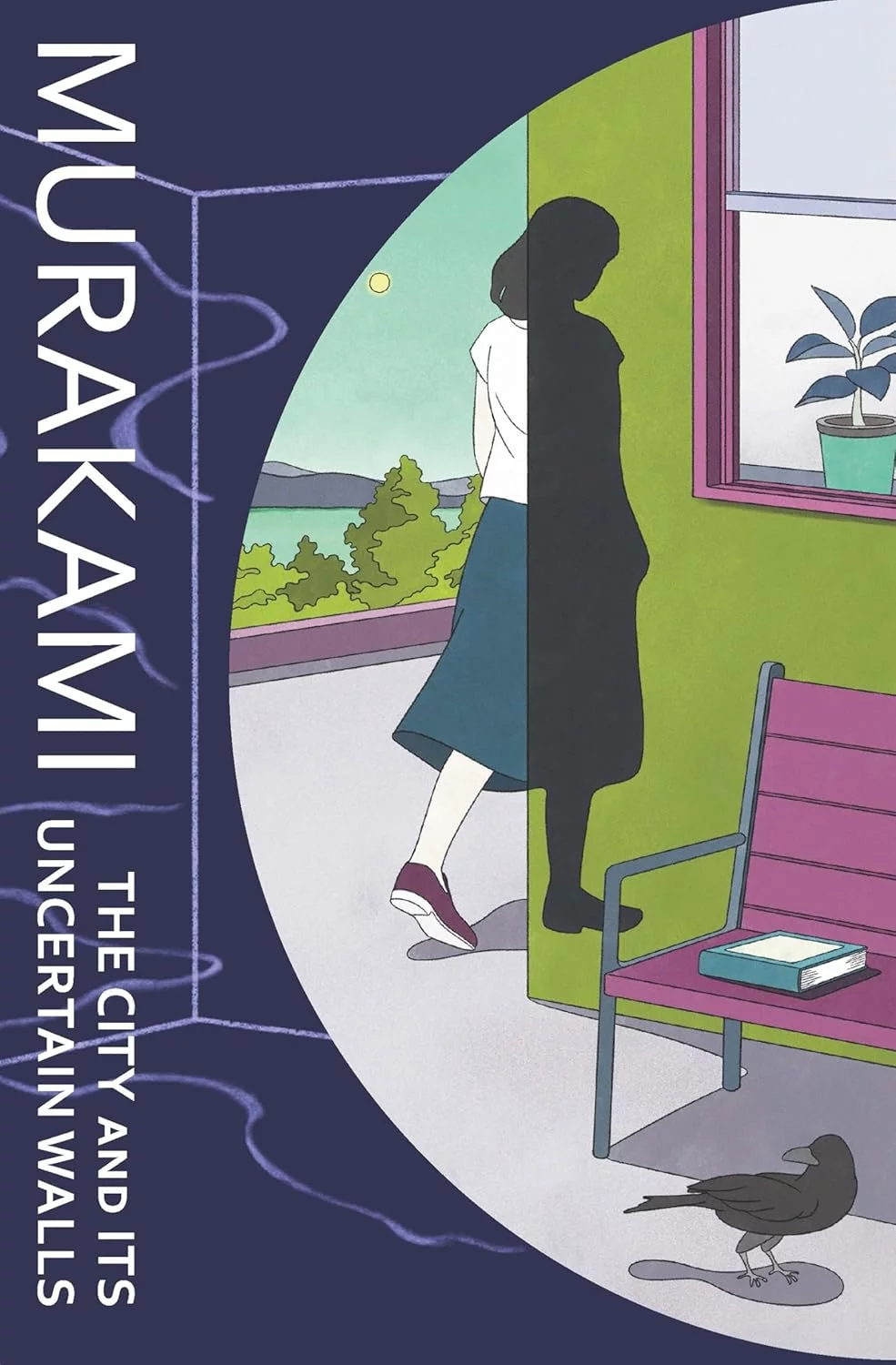
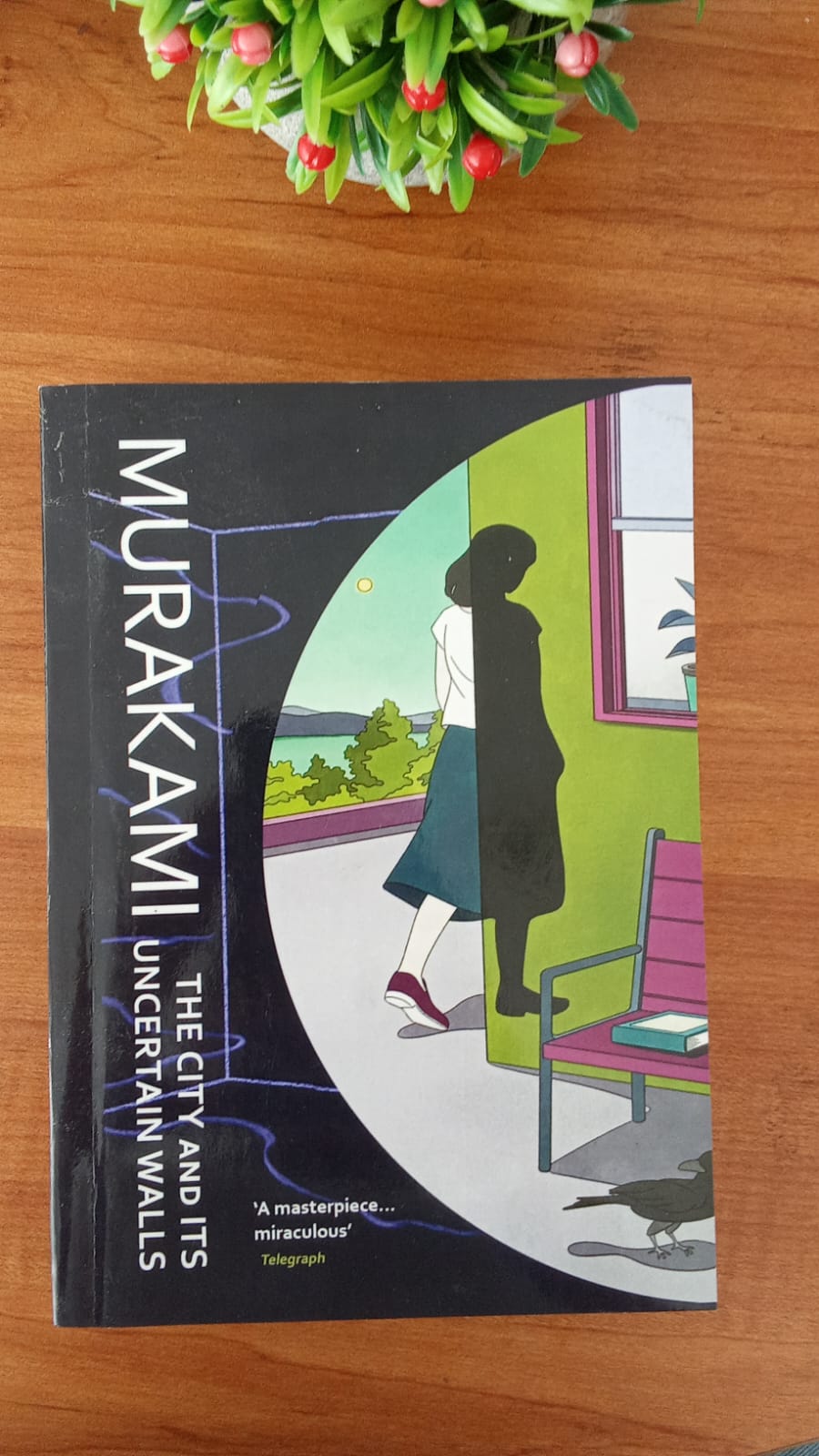
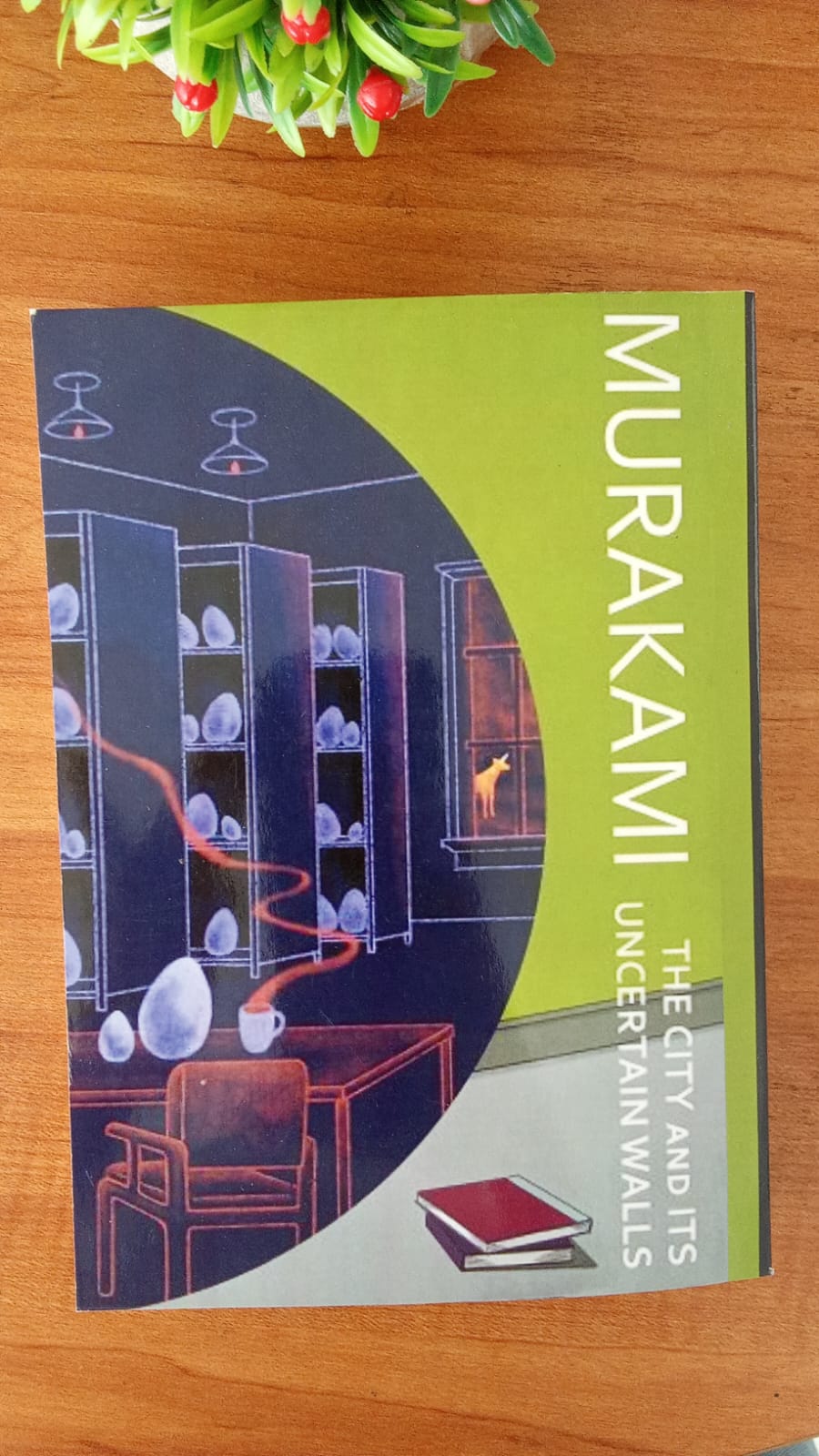



City And Its Uncertain Wall by Haruki Murakami

රු2,600.00






Product Short Description – City and Its Uncertain Walls by Haruki Murakami
A mesmerizing and thought-provoking novel, City and Its Uncertain Walls by Haruki Murakami explores the blurred boundaries between reality and imagination. The story follows a narrator drawn into a mysterious walled city where memories, shadows, and identity take on new meanings. With Murakami’s signature surreal style, the book delves into themes of loneliness, self-discovery, and the power of perception. Perfect for readers who enjoy deep, reflective storytelling, this novel offers a haunting and unforgettable literary experience.
6 in stock
Here is your full book-style content written exactly in the same format and tone
A Deep Exploration of Reality and Identity – City and Its Uncertain Walls by Haruki Murakami
A Practical Guide to Understanding Reality and the Human Mind, City and Its Uncertain Walls by Haruki Murakami is a deeply reflective literary novel that explores identity, memory, and the boundaries between reality and imagination. Known for his surreal storytelling, Haruki Murakami presents a mysterious world where the visible and invisible coexist. The novel follows a narrator drawn into a strange, walled city where shadows have their own existence and memories shape reality.
At its core, City and Its Uncertain Walls is not just a story but an emotional and philosophical journey. It challenges readers to question what is real, what is remembered, and how the mind constructs meaning. Rather than offering clear answers, the book invites readers to experience uncertainty and interpret its deeper layers.
Reality Begins With Perception
One of the central ideas in City and Its Uncertain Walls is perception. The novel suggests that reality is not fixed but shaped by individual consciousness. Characters experience the world differently, and memories often blur the line between truth and imagination.
Murakami shows that people are often trapped within their own mental worlds. When individuals hold onto memories too tightly, they may lose connection with the present. Through this idea, the book encourages readers to reflect on how perception influences identity and emotional experience.
The Mysterious City and Its Meaning
The story revolves around a strange, enclosed city where rules differ from the outside world. Inside this city:
- Shadows exist separately from their owners
- Time feels distorted and uncertain
- Memories are treated as tangible elements
- Reality becomes fluid and unpredictable
This city symbolizes the inner mind — a place where suppressed emotions, forgotten memories, and hidden fears exist. As the narrator explores this space, readers are taken on a journey that feels both dreamlike and deeply personal.
Themes of Loneliness and Connection
A recurring theme in the novel is loneliness. Murakami explores how people can feel isolated even when surrounded by others. The characters search for connection, yet struggle to truly understand one another.
Rather than presenting love or relationships in a traditional way, the book portrays connection as something fragile and complex. Emotional distance, silence, and longing play a major role in shaping the narrative.
Memory, Identity, and the Self
Another powerful element of City and Its Uncertain Walls is its focus on memory. The novel suggests that identity is built from memories — but those memories are not always reliable.
As the story unfolds, readers begin to see how:
- Memories can be incomplete or distorted
- The past influences present decisions
- Identity shifts based on what is remembered or forgotten
This creates a haunting yet beautiful exploration of the self, where certainty is replaced with introspection.
Murakami’s Signature Style
Haruki Murakami’s writing style is calm, atmospheric, and deeply immersive. He blends ordinary life with surreal elements in a way that feels natural rather than strange.
Readers can expect:
- Dreamlike storytelling
- Minimalistic yet emotional language
- Open-ended interpretations
- Symbolic and philosophical themes
Because of this style, the novel does not follow a typical plot-driven structure. Instead, it focuses on mood, thought, and inner experience.
Who Should Read This Book
This book is ideal for:
- Readers who enjoy literary fiction
- Fans of philosophical and thought-provoking stories
- Those interested in identity, memory, and human psychology
- Readers who appreciate slow, reflective storytelling
It is especially recommended for fans of Murakami’s previous works, as it captures his signature themes and atmosphere.
Lasting Impact
After reading City and Its Uncertain Walls, many readers are left with a quiet sense of reflection. The novel does not provide clear conclusions but instead encourages deeper thinking about life, memory, and existence.
Be the first to review “City And Its Uncertain Wall by Haruki Murakami”
Related products

Fiction

Fiction


Contemporary romance

Fiction

Reviews
There are no reviews yet.