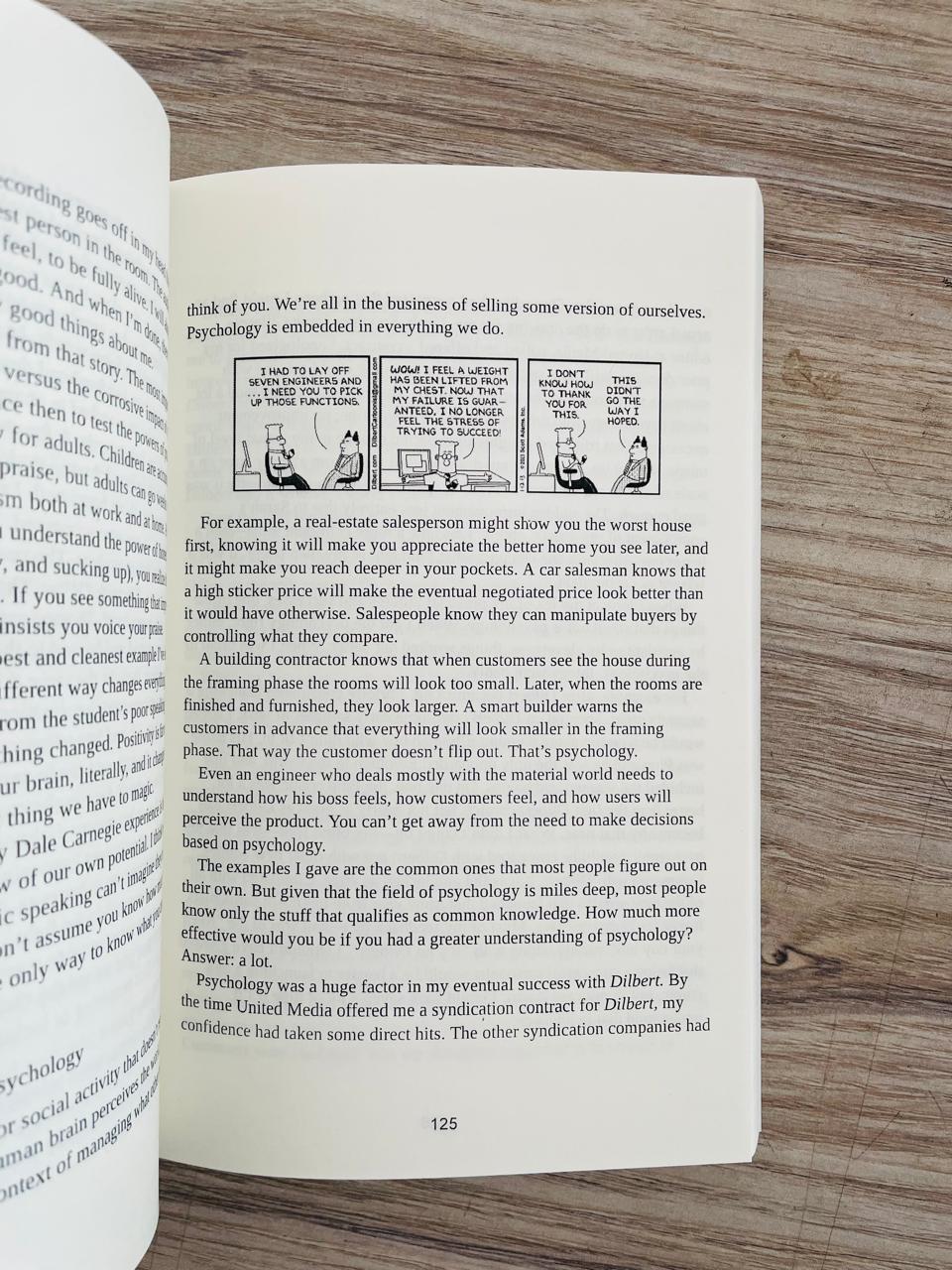








Success Begins With Systems, Not Goals
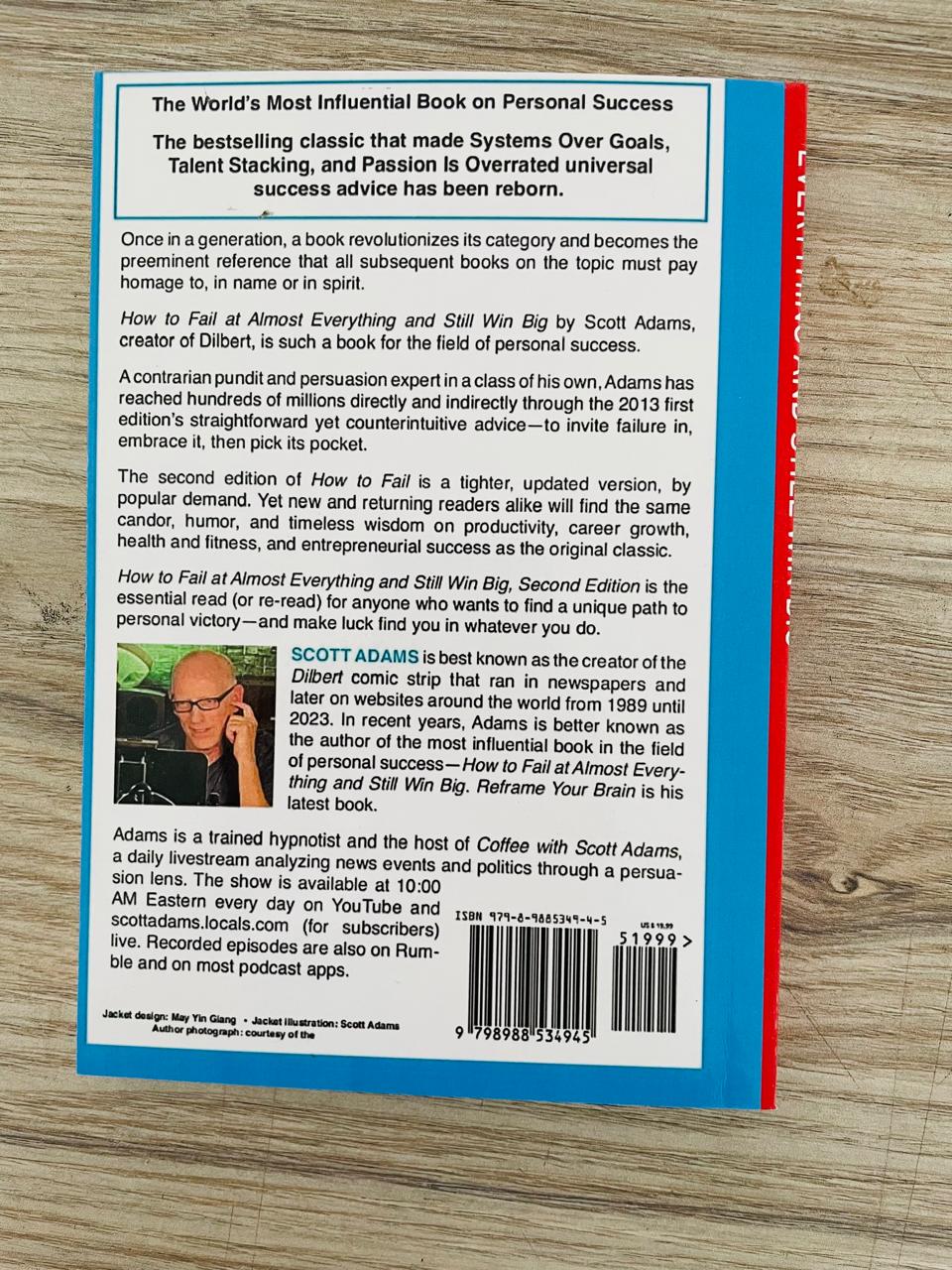
One of the core ideas in the book is that systems are more effective than goals. While goals focus on a single outcome, systems focus on continuous improvement.
Scott Adams explains that successful people build daily habits that move them forward consistently. By focusing on systems, individuals can make progress without relying on motivation alone.
Failure as a Stepping Stone
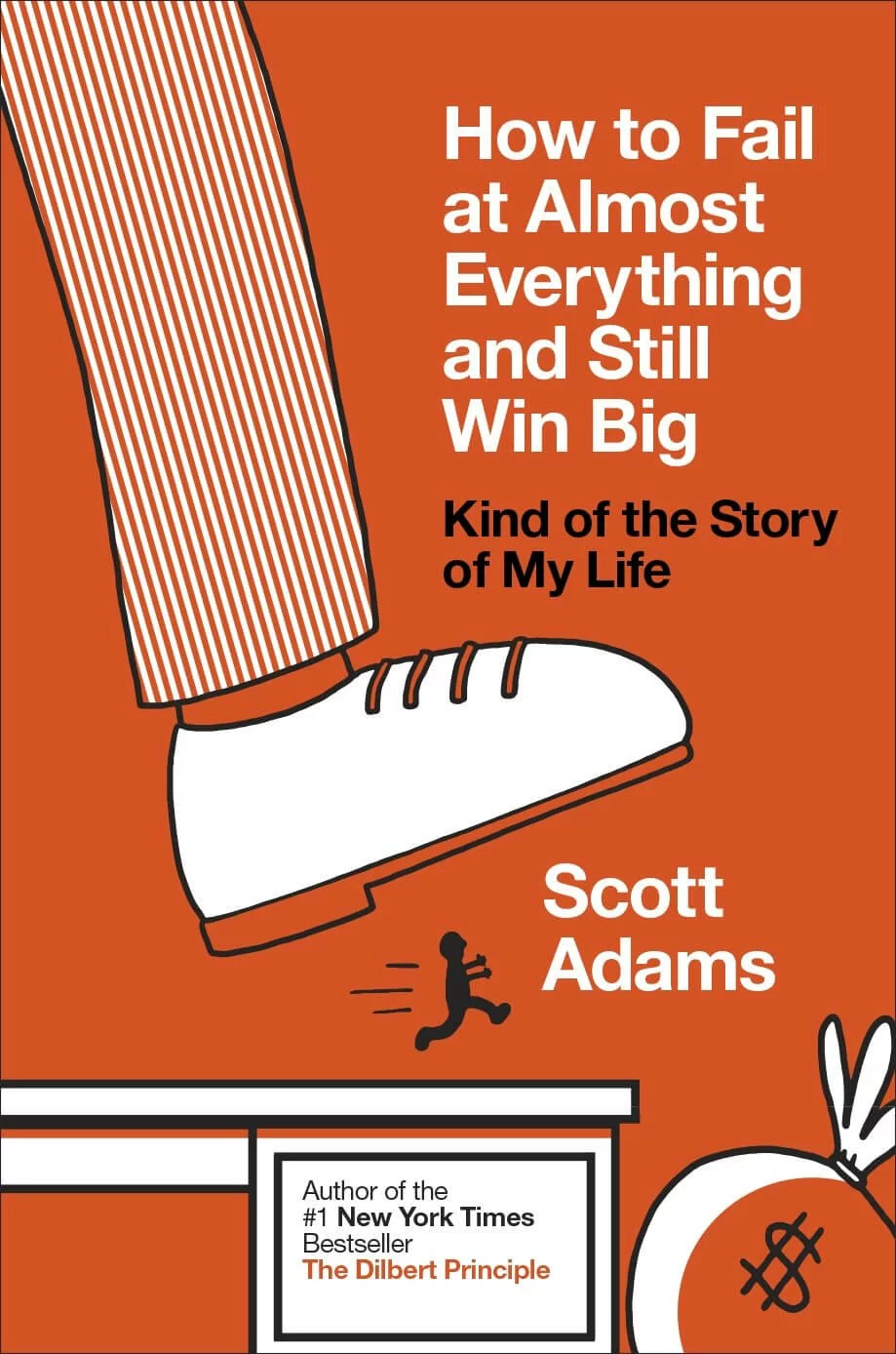
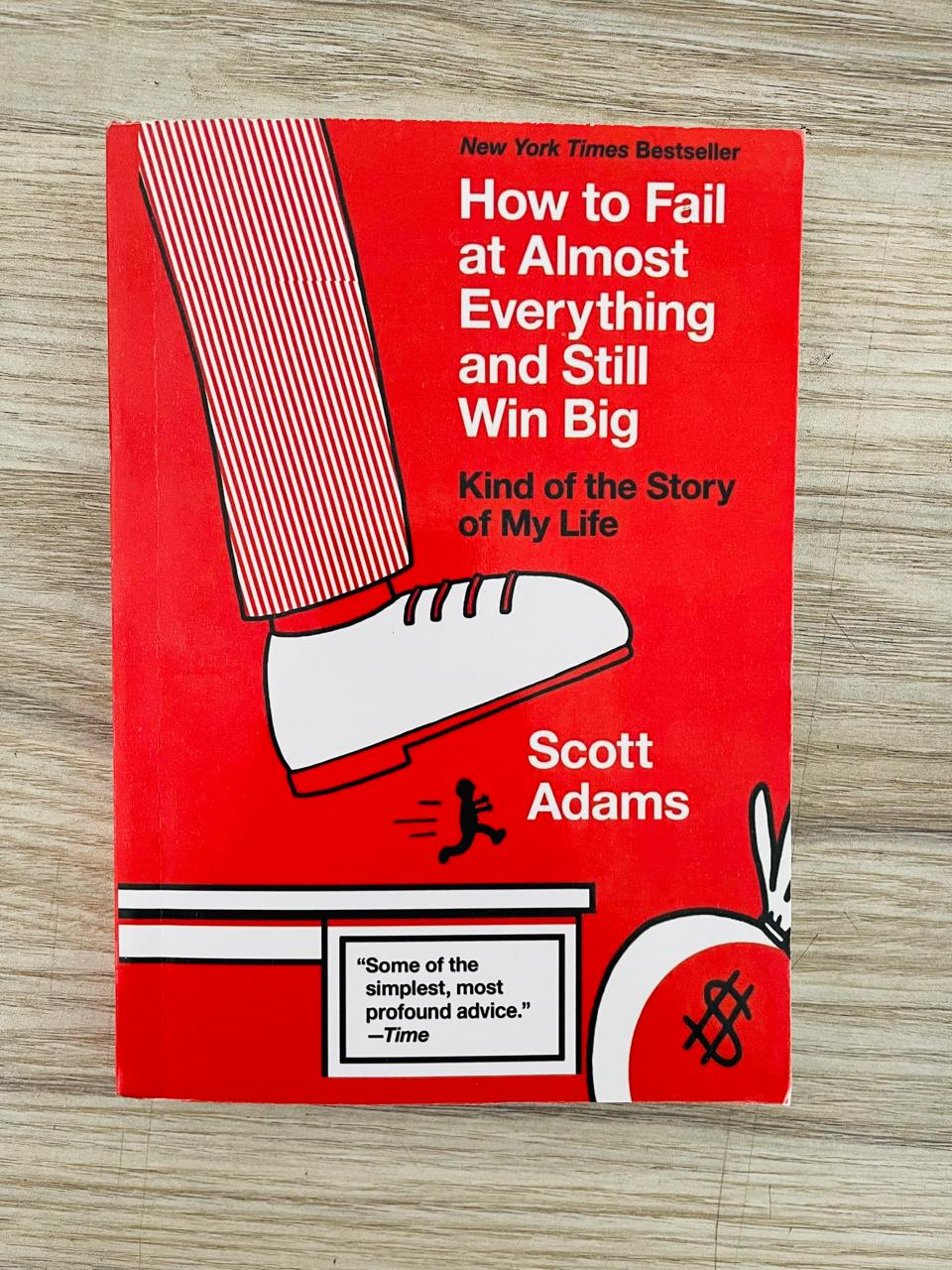
A major lesson in How to Fail at Almost Everything and Still Win Big is that failure is not the opposite of success—it is part of it.
The book shows that:
-
Every failure provides useful feedback
-
Repeated attempts increase the chance of success
-
Learning from mistakes is more important than avoiding them
This mindset helps readers become more resilient and confident.
The Power of Skills Over Passion
Unlike many self-help books, this one suggests that passion is not always the starting point. Instead, developing valuable skills can lead to opportunities and success.
Readers are encouraged to:
-
Build multiple useful skills
-
Combine them to create unique advantages
-
Focus on practical improvement rather than waiting for passion
This approach makes success more achievable and realistic.
Energy and Productivity
Another key idea is managing personal energy instead of time. The book emphasizes that productivity depends on physical and mental energy levels.
It highlights the importance of:
-
Proper sleep and nutrition
-
Exercise and healthy habits
-
Maintaining focus and clarity
By managing energy effectively, individuals can perform better in all areas of life.
Simplicity and Practical Thinking
The book is known for its simple and straightforward advice. Scott Adams uses real-life examples and humor to explain complex ideas in an easy way.
Readers learn practical strategies that can be applied immediately, making the book highly actionable.
Realistic Approach to Success
How to Fail at Almost Everything and Still Win Big presents a realistic view of success. It avoids unrealistic promises and instead focuses on consistent effort and smart thinking.
The book teaches that success is not a single event—it is a process built over time through habits and persistence.


Reviews
There are no reviews yet.