
No products in the cart.
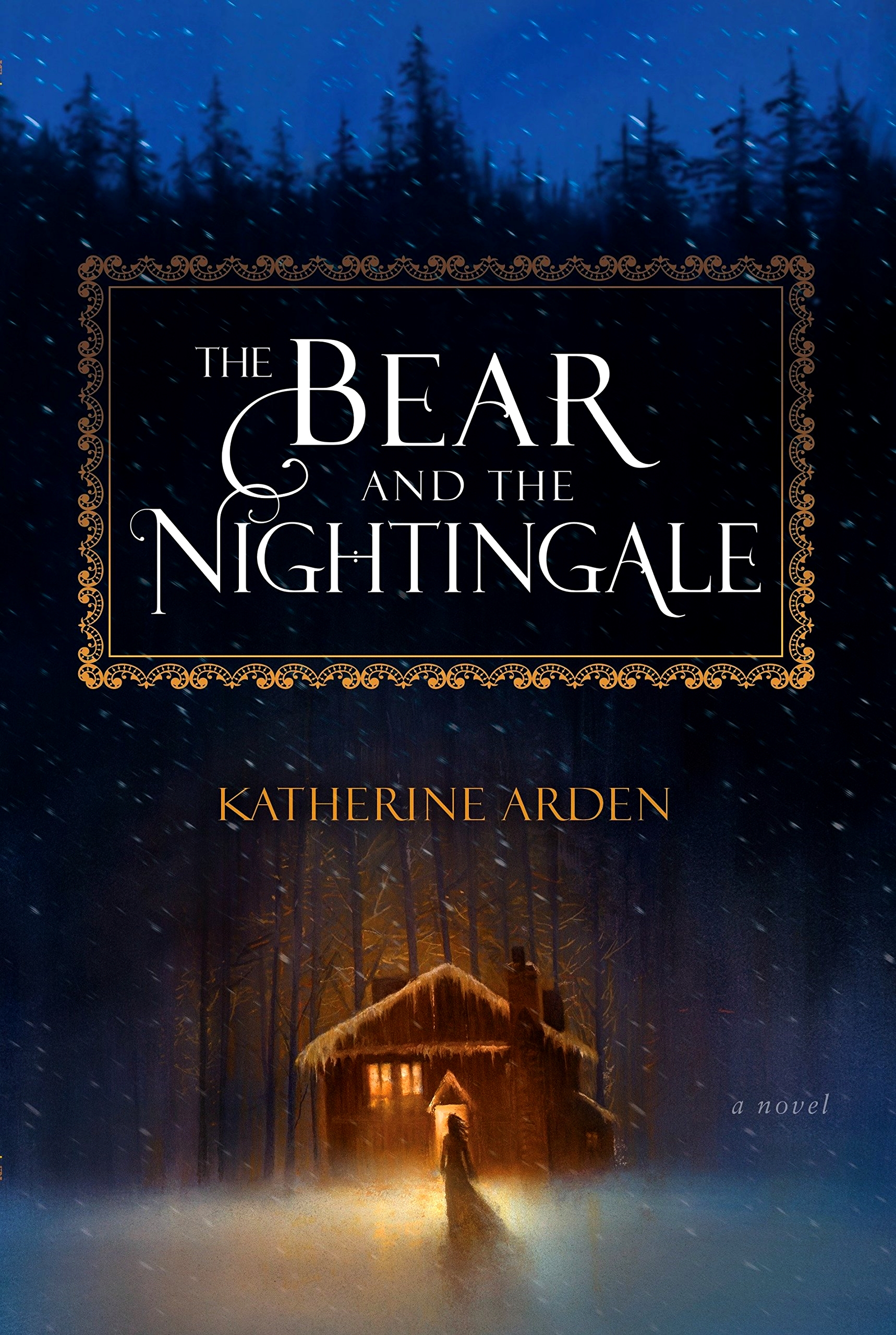
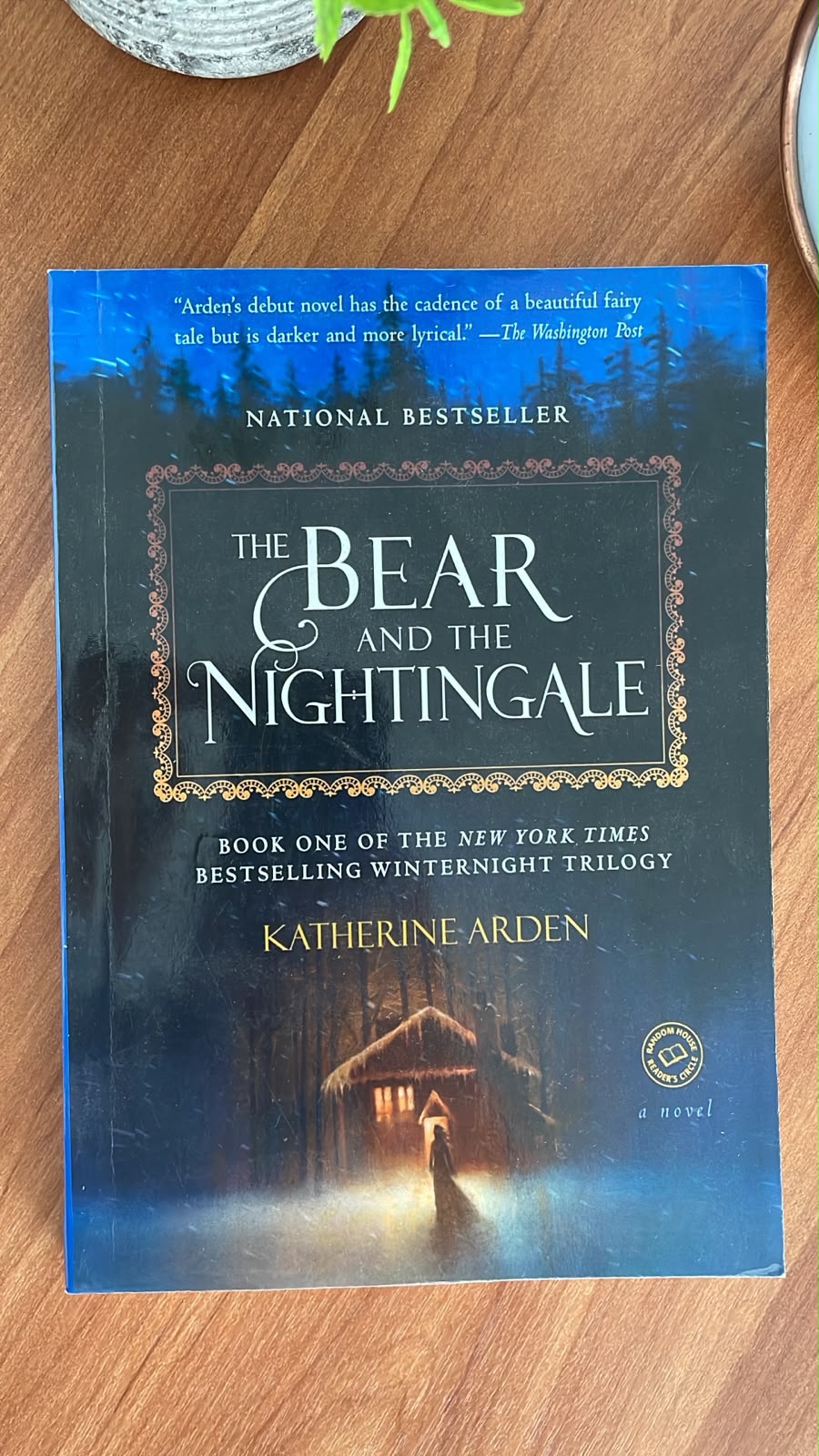
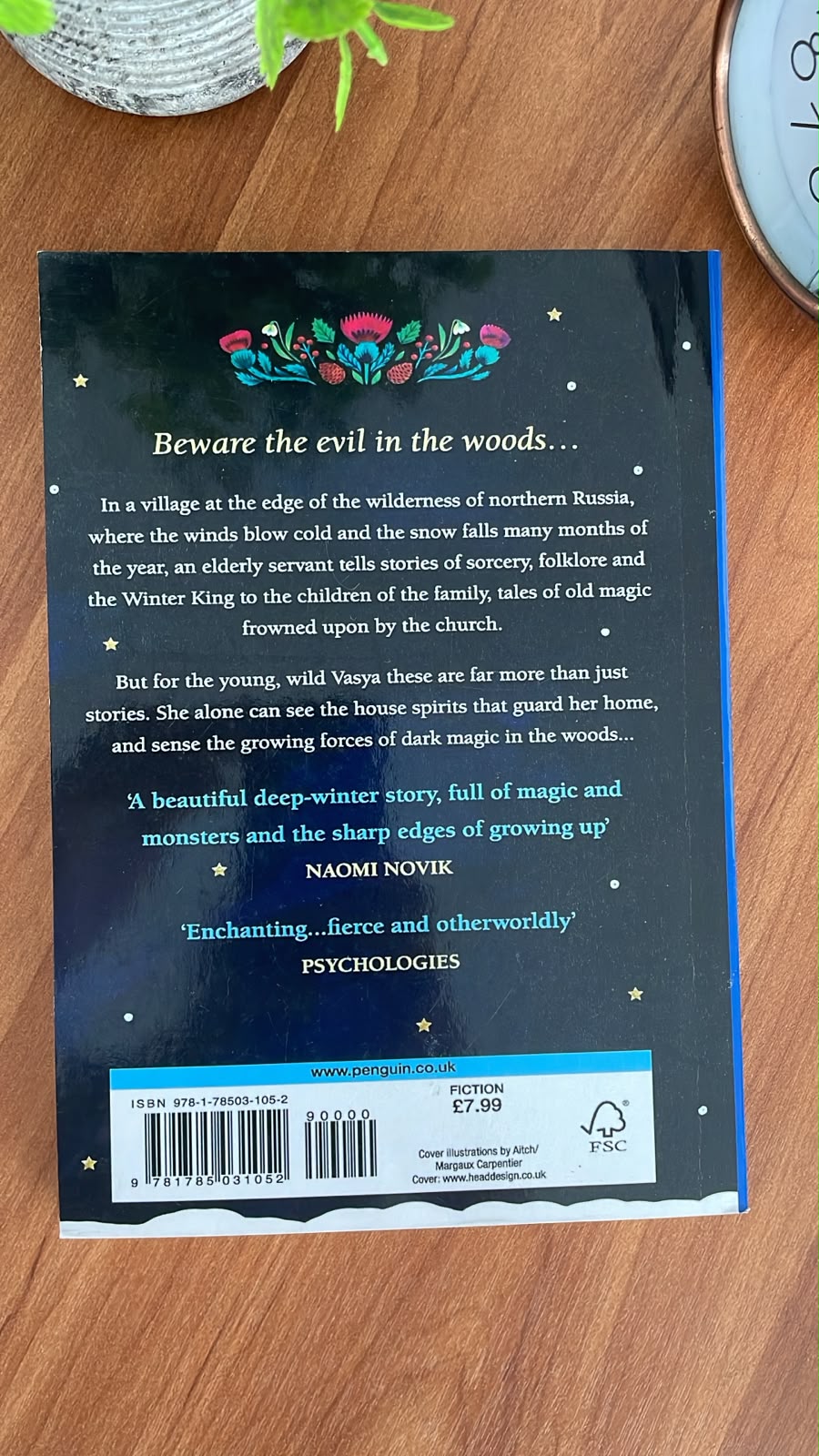
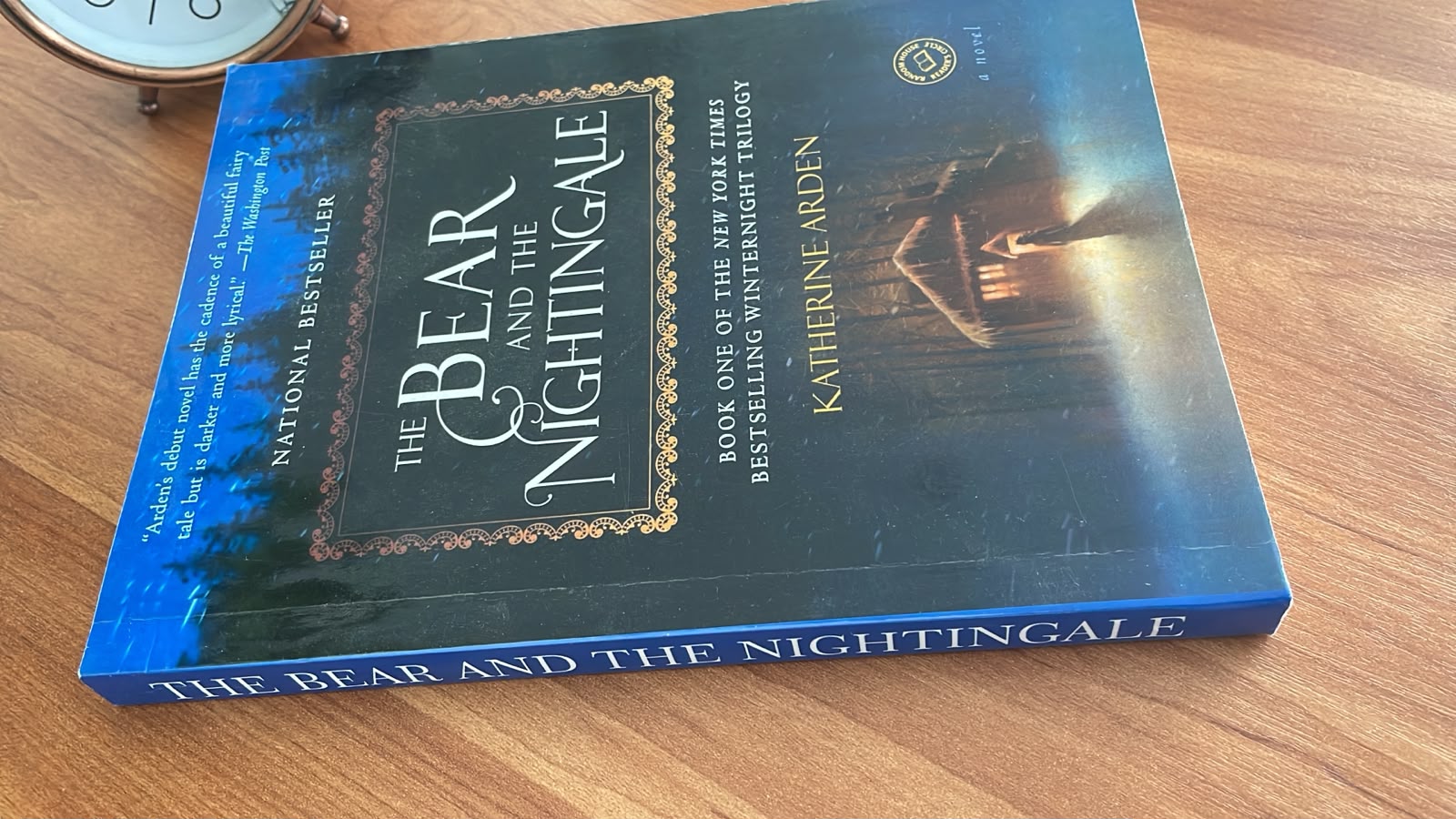
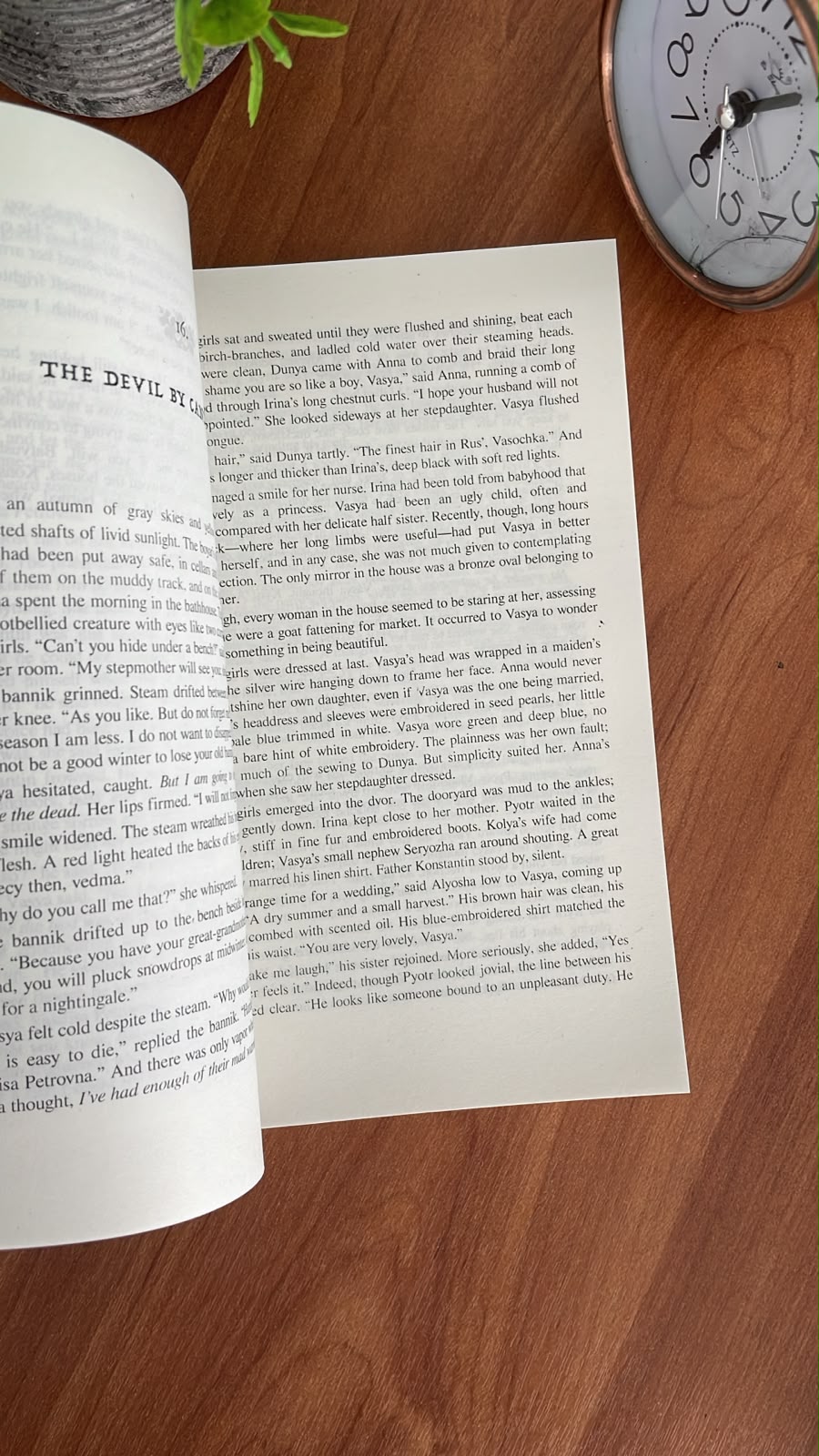
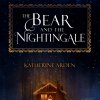
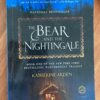


Bear And The Nightingale by Katherine Arden

රු1,900.00
3 X Rs. 633.33 or 8% Cashback with


or 3 X රු633.33 with


or up to 4 X රු475.00 with


The Bear and the Nightingale by Katherine Arden
The Bear and the Nightingale is a beautifully written historical fantasy novel set in medieval Russia, blending folklore, magic, and human struggle. As the first book in the Winternight Trilogy, it introduces readers to a world where ancient spirits coexist with human life—until belief begins to fade. Rather than a simple fantasy tale, the novel explores identity, faith, and the tension between tradition and change. It shows how courage and individuality can challenge even the strongest societal pressures.
4 in stock
The Bear and the Nightingale by Katherine Arden
Bear and the Nightingale by Katherine Arden is an atmospheric fantasy novel filled with folklore, winter landscapes, ancient spirits, family conflict, mystery, and magic.
The story takes place in a remote community in medieval Rus’, where old traditions exist alongside a changing religious world.
At the centre of the story is Vasilisa, often called Vasya.
She possesses unusual abilities that connect her to the supernatural world around her.
Why Read Bear and the Nightingale?
Bear and the Nightingale is an excellent choice for readers who enjoy fairy-tale-inspired fantasy.
The novel combines historical atmosphere with magical creatures and old folklore.
It also features a strong heroine who refuses to accept the future other people have planned for her.
Meet Vasilisa
Vasya grows up in the cold Russian wilderness.
She is independent, curious, and different from many of the people around her.
She can perceive beings that others either cannot see or have chosen to forget.
These strange gifts eventually become extremely important.
Katherine Arden’s official description says Vasya must use abilities she has long hidden to protect her family from a threat that seems to have emerged from frightening fairy tales.
A World of Folklore and Spirits
One of the most memorable elements of the novel is its supernatural world.
Household spirits and creatures from folklore exist alongside ordinary people.
Some characters respect these old traditions.
Others begin rejecting them.
This creates tension between older beliefs and newer forces entering the community.
A Dark Winter Atmosphere
Winter is almost a character of its own.
Snow, forests, darkness, firelight, and isolation create an atmospheric setting.
The cold landscape makes the magical elements feel even more mysterious.
Readers who enjoy winter fantasy may especially appreciate the book’s mood.
The Mysterious Winter-King
A mysterious winter figure also becomes important to Vasya’s journey.
Penguin Random House describes the novel as involving ancient evils and a mysterious winter-king named Frost.
His role adds another layer of mystery.
Readers gradually discover that the supernatural world is more complicated than it initially appears.
Family and Expectations
Family plays a major role in Bear and the Nightingale.
Vasya grows up surrounded by expectations about how a young woman should behave.
Her independence creates conflict.
She does not easily fit into the role others expect her to accept.
This makes the novel partly a story about identity and personal freedom.
Faith and Old Traditions
The story also explores tension between established folklore and changing religious beliefs.
As people begin rejecting older customs, the relationship between humans and the supernatural world changes.
That shift has consequences.
It gives the novel more depth than a simple magical adventure.
Courage and Independence
Vasya’s greatest strength is not physical power.
It is her refusal to abandon what she knows to be true.
She is willing to question expectations.
She also continues acting even when other people misunderstand her.
Her determination makes her a compelling fantasy heroine.
Magic With Consequences
Magic in this story is not simply decorative.
Supernatural forces can protect people.
They can also become dangerous.
Characters must understand which beings can be trusted and which cannot.
That uncertainty creates suspense throughout the novel.
A Story About Growing Up
The novel also follows Vasya as she grows into a stronger understanding of herself.
She must decide what kind of person she wants to become.
The expectations of family, religion, society, and the supernatural world all pull her in different directions.
Her development gives the story emotional depth.
The First Winternight Trilogy Book
Bear and the Nightingale begins Katherine Arden’s Winternight Trilogy.
The series continues with:
- The Bear and the Nightingale
- The Girl in the Tower
- The Winter of the Witch
Readers who enjoy the first book can therefore continue Vasya’s journey through two more novels.
An Acclaimed Fantasy Debut
The novel was Katherine Arden’s debut and was published in January 2017.
Her official site notes that it was a Goodreads finalist for both Best Debut and Best Fantasy, while the wider Winternight Trilogy was later nominated for the Hugo Award for Best Series.
Perfect for Fantasy Readers
This book is a strong choice for readers interested in:
- Fantasy
- Folklore
- Fairy tales
- Historical fantasy
- Winter settings
- Strong female protagonists
- Magical creatures
- Family stories
- Dark fantasy
- Mythology
- Katherine Arden books
- Atmospheric fiction
It is especially suitable for readers who enjoy fantasy built around folklore and character development.
About Katherine Arden
Katherine Arden is the author of the Winternight Trilogy and the Small Spaces quartet.
Her adult fantasy trilogy combines folklore, history, magic, and the journey of Vasya across a richly imagined world.
Readers can learn more through the official Katherine Arden Bear and the Nightingale page.
Build Your Fantasy Collection
Readers who enjoy Bear and the Nightingale can also explore more Fantasy Books, Historical Fantasy Books, and Mythology & Folklore Books in your store.
The novel is an excellent addition to a collection focused on atmospheric fantasy and fairy-tale-inspired fiction.
Buy Bear and the Nightingale in Sri Lanka
Looking for Bear and the Nightingale in Sri Lanka?
Katherine Arden’s enchanting fantasy novel is an excellent choice for readers who enjoy folklore, mysterious spirits, winter landscapes, strong heroines, and dark fairy-tale atmosphere.
Begin Vasya’s magical journey and discover the first book in the Winternight Trilogy.
Add this beautiful fantasy novel to your bookshelf today. https://katherineardenbooks.com/books/the-bear-and-the-nightingale
Be the first to review “Bear And The Nightingale by Katherine Arden”
Related products

Out of stock
Contemporary Fiction
රු2,150.00
3 X Rs. 716.67 or 8% Cashback with
or 3 X රු716.67 with
or up to 4 X රු537.50 with
-10%
Out of stock
Original price was: රු5,000.00.රු4,500.00Current price is: රු4,500.00.
3 X Rs. 1,500.00 or 8% Cashback with
or 3 X රු1,500.00 with
or up to 4 X රු1,125.00 with
-50%
Out of stock
Children & Young Adult
Original price was: රු3,400.00.රු1,700.00Current price is: රු1,700.00.
3 X Rs. 566.67 or 8% Cashback with
or 3 X රු566.67 with
or up to 4 X රු425.00 with
Out of stock
රු1,900.00
3 X Rs. 633.33 or 8% Cashback with
or 3 X රු633.33 with
or up to 4 X රු475.00 with
-31%
Out of stock
Original price was: රු3,600.00.රු2,500.00Current price is: රු2,500.00.
3 X Rs. 833.33 or 8% Cashback with
or 3 X රු833.33 with
or up to 4 X රු625.00 with
Fantasy
රු2,400.00
3 X Rs. 800.00 or 8% Cashback with
or 3 X රු800.00 with
or up to 4 X රු600.00 with
රු3,000.00
3 X Rs. 1,000.00 or 8% Cashback with
or 3 X රු1,000.00 with
or up to 4 X රු750.00 with
Out of stock
Adventure Fiction
රු1,700.00
3 X Rs. 566.67 or 8% Cashback with
or 3 X රු566.67 with
or up to 4 X රු425.00 with
Reviews
There are no reviews yet.