
No products in the cart.
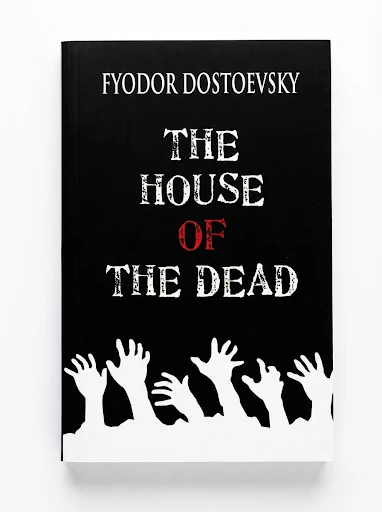
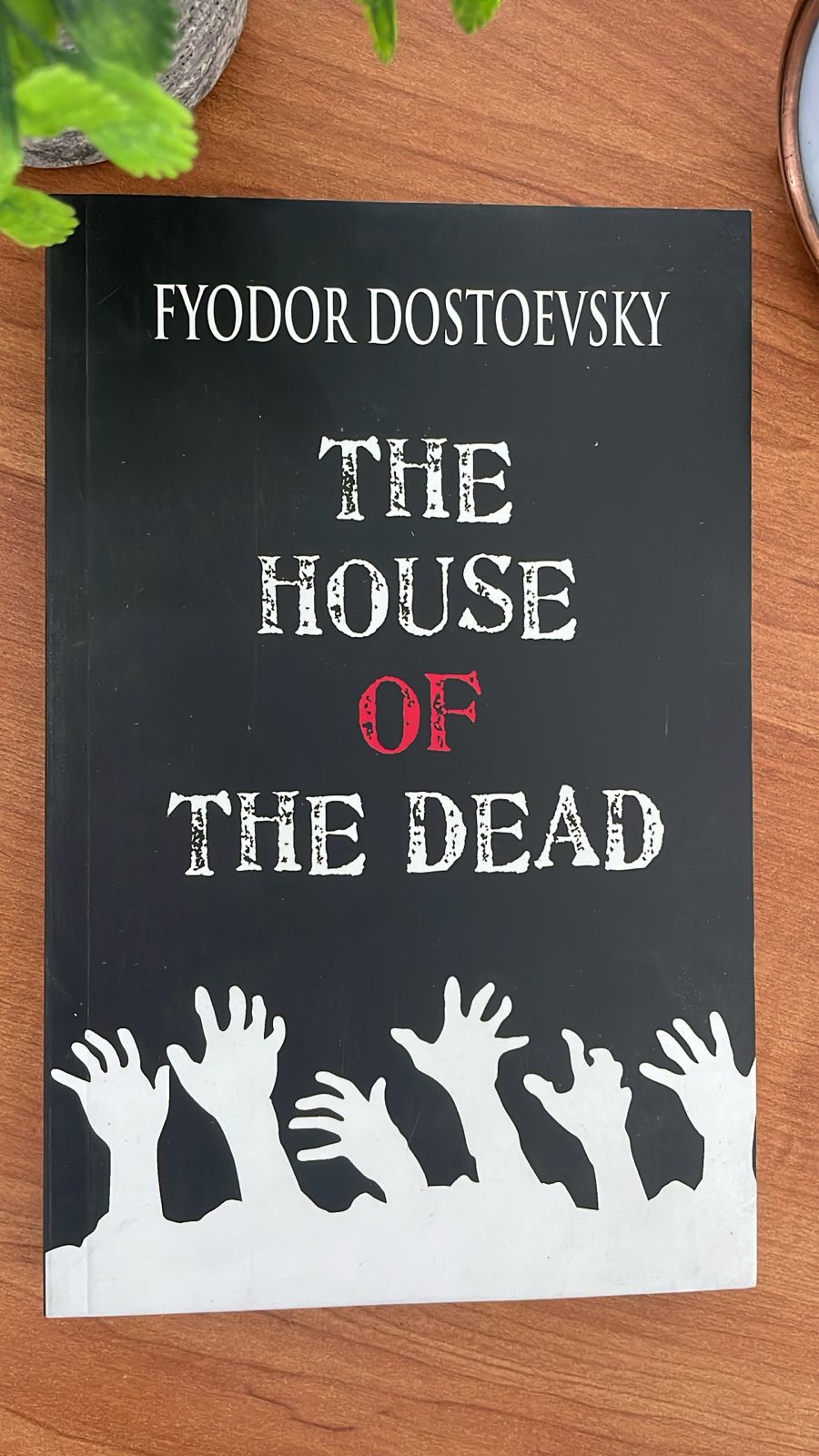
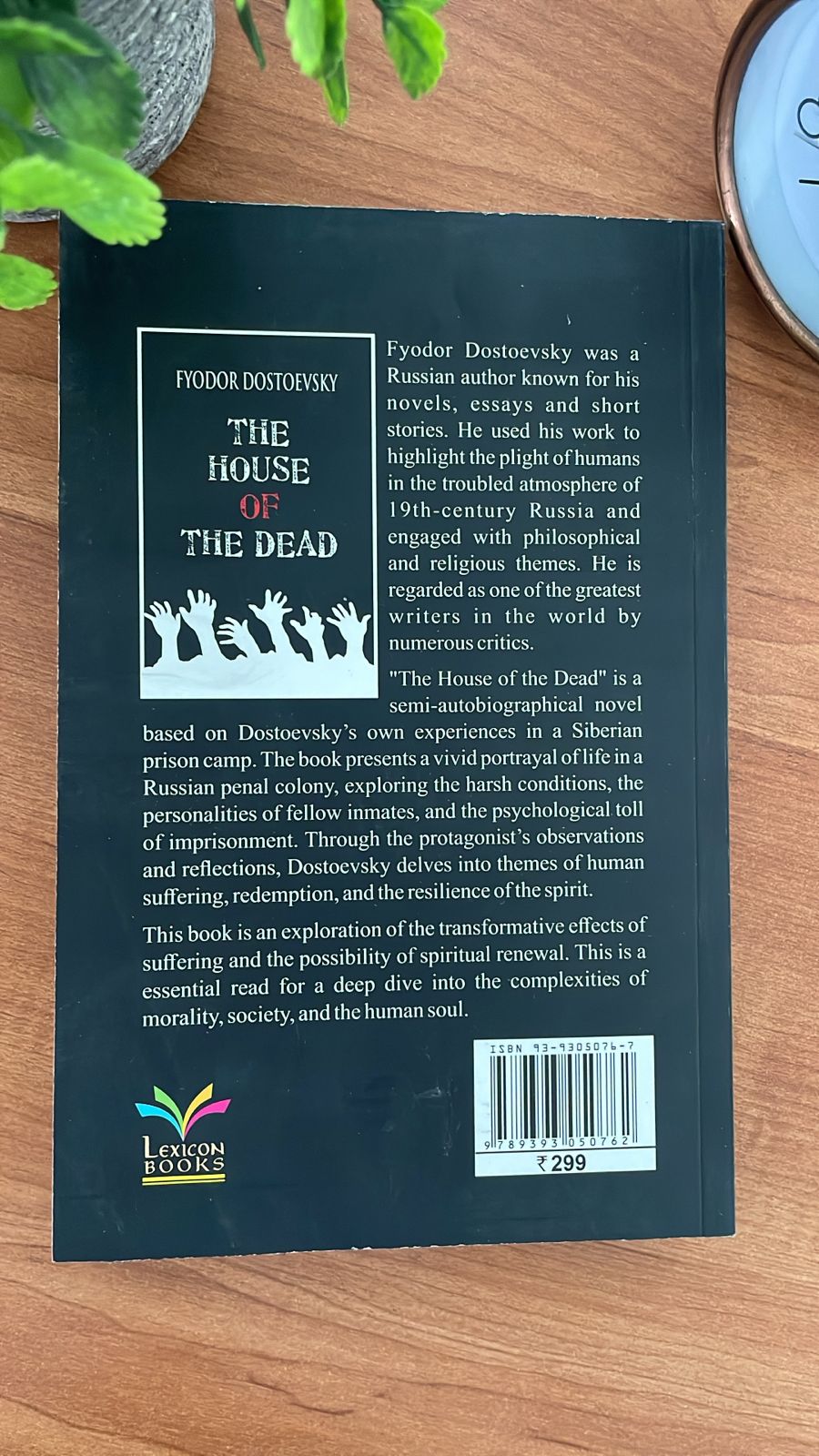

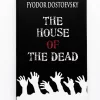


House of the Dead by Fyodor Dostoyevsky


රු1,950.00
3 X Rs. 650.00 or 8% Cashback with


or 3 X රු650.00 with


or up to 4 X රු487.50 with


The House of the Dead by Fyodor Dostoyevsky is a powerful semi-autobiographical classic inspired by the author’s Siberian imprisonment, exploring prison life, punishment, freedom, suffering, human dignity, psychology, and spiritual redemption.
5 in stock
The House of the Dead by Fyodor Dostoyevsky is a powerful semi-autobiographical classic inspired by the author’s own imprisonment in a Siberian penal camp. Through the experiences of its narrator, Aleksandr Petrovich Goryanchikov, the novel explores suffering, punishment, isolation, human dignity, cruelty, friendship, freedom, and the possibility of spiritual transformation.
Unlike a traditional adventure novel, this book focuses closely on the everyday reality of prison life.
The prisoners sleep in difficult conditions.
They perform exhausting labour.
They live under strict rules and constant surveillance.
Privacy is almost nonexistent.
Violence, arguments, punishment, illness, and emotional frustration are part of daily existence.
Yet The House of the Dead by Fyodor Dostoyevsky is not simply a book about cruelty.
It is also a deeply human examination of how people behave when freedom is taken away.
The House of the Dead by Fyodor Dostoyevsky – Book Overview
The House of the Dead by Fyodor Dostoyevsky is narrated by Aleksandr Petrovich Goryanchikov, a man sentenced to years of imprisonment in Siberia.
Through his observations, readers meet prisoners from very different backgrounds.
Some are violent.
Some are proud.
Some are broken.
Some are humorous.
Some are cruel.
Others demonstrate surprising kindness.
The narrator gradually learns that prison does not erase personality.
Instead, extreme conditions often make different aspects of personality more visible.
The result is a collection of experiences, memories, conversations, conflicts, and observations that slowly build a detailed portrait of life inside the prison camp.
Inspired by Dostoyevsky’s Own Imprisonment
One of the most important reasons to read The House of the Dead by Fyodor Dostoyevsky is its connection to the author’s own life.
Dostoyevsky was arrested in 1849 because of his involvement with the Petrashevsky Circle, a group associated with political and intellectual discussion.
He was later sent to a Siberian prison camp.
The experience had a major effect on his life and writing.
The hardships he experienced there influenced his understanding of suffering, human psychology, morality, faith, crime, and redemption.
These themes would later appear throughout many of his most famous works.
Because of this background, The House of the Dead feels unusually immediate.
The prison environment is not simply imagined from a distance.
It is shaped by experiences Dostoyevsky knew personally.
Life Inside a Siberian Prison
Prison life is described in intense detail throughout The House of the Dead by Fyodor Dostoyevsky.
The narrator experiences overcrowding, hard physical labour, uncomfortable sleeping arrangements, poor food, strict discipline, and constant contact with other prisoners.
One of the hardest parts of imprisonment is the absence of privacy.
A prisoner is almost never alone.
Every action happens around other people.
This creates psychological pressure in addition to physical hardship.
The book shows how confinement changes a person’s relationship with time.
Days can feel repetitive.
Small events become important.
A holiday, conversation, letter, meal, or opportunity to leave the prison environment temporarily may take on enormous emotional significance.
Human Nature Under Pressure
One of the strongest themes in The House of the Dead by Fyodor Dostoyevsky is human nature.
Dostoyevsky refuses to present every prisoner in exactly the same way.
Some have committed terrible crimes.
Others show generosity or loyalty.
A violent person may unexpectedly show compassion.
Someone who appears friendly may act selfishly.
This complexity prevents the novel from becoming a simple story about innocent prisoners versus cruel authorities.
Instead, Dostoyevsky examines contradiction.
Human beings can contain kindness and cruelty at the same time.
People cannot always be understood through one action or one label.
This psychological complexity would later become one of the defining qualities of Dostoyevsky’s fiction.
Punishment and Justice
Punishment is central to The House of the Dead by Fyodor Dostoyevsky.
The novel repeatedly asks whether punishment changes people.
Prison is designed to remove freedom and impose consequences.
But punishment can also create anger, humiliation, resentment, and emotional damage.
Dostoyevsky observes how different prisoners respond differently to authority.
Some become obedient.
Some resist internally.
Some develop strategies for surviving the system.
Others emotionally withdraw.
The book encourages readers to think about the difference between punishment and rehabilitation.
A person can be physically controlled without necessarily becoming morally transformed.
Freedom Becomes Precious
Freedom becomes one of the most powerful ideas in The House of the Dead by Fyodor Dostoyevsky.
People who are free may rarely think about the ability to walk where they want, spend time alone, choose their food, decide how to use their time, or speak without constant supervision.
Prison changes the value of these ordinary choices.
The narrator becomes intensely aware of everything he has lost.
Even small moments outside normal confinement can feel extraordinary.
This makes the novel a powerful reflection on how easily people can take freedom for granted.
Dignity in Difficult Conditions
Even inside a brutal environment, prisoners continue searching for dignity.
The House of the Dead by Fyodor Dostoyevsky shows people trying to preserve their identity despite being reduced to numbers, uniforms, routines, and sentences.
Some prisoners take pride in craftsmanship.
Others value friendship.
Some care deeply about how other prisoners perceive them.
Even small personal possessions can become emotionally important.
These details reveal a basic human need to remain an individual.
The prison system may control a person’s movements, but it cannot completely erase personality.
Friendship and Community
Relationships between prisoners are complicated in The House of the Dead by Fyodor Dostoyevsky.
Living together under extreme pressure can create both friendship and conflict.
People form alliances.
They argue.
They share stories.
They help one another.
They also betray, insult, or manipulate one another.
The narrator initially struggles to understand the social structure around him.
Gradually, he learns how the prison community functions.
These relationships demonstrate that even harsh environments develop their own cultures, hierarchies, traditions, and unwritten rules.
Psychological Suffering
Physical punishment is only one part of imprisonment.
The House of the Dead by Fyodor Dostoyevsky pays close attention to psychological suffering.
Loss of freedom can create frustration and emotional exhaustion.
Constant surveillance can make a person feel powerless.
Uncertainty about the future can become overwhelming.
Separation from family and ordinary society can create loneliness even when a prisoner is surrounded by people.
Dostoyevsky’s ability to explore these psychological states makes the novel much more than a historical account of prison conditions.
It becomes a study of the human mind under extreme pressure.
Crime and Morality
The prisoners in The House of the Dead by Fyodor Dostoyevsky have committed different crimes.
Yet the novel does not reduce them entirely to what they have done.
This creates complicated moral questions.
How should society view someone who has committed a serious crime?
Can a person change?
Does punishment create repentance?
Are some people shaped by circumstances that society fails to understand?
Dostoyevsky does not provide easy answers.
Instead, he allows readers to observe the contradictions within individual prisoners.
This makes the book challenging and thought-provoking.
Compassion Without Simplification
One of the most impressive qualities of The House of the Dead by Fyodor Dostoyevsky is its ability to show compassion without pretending that every prisoner is innocent or harmless.
Dostoyevsky recognizes the seriousness of crime.
At the same time, he recognizes the humanity of the people who committed those crimes.
This distinction is important.
Understanding someone does not necessarily mean approving of their actions.
The novel suggests that even people who have done terrible things remain psychologically complex human beings.
That perspective makes the book especially significant within Dostoyevsky’s larger body of work.
Spiritual Transformation
Redemption and spiritual awakening become increasingly important in The House of the Dead by Fyodor Dostoyevsky.
The narrator’s imprisonment changes the way he understands people.
He enters the prison isolated from many of those around him.
Over time, suffering forces him to reconsider assumptions about class, morality, crime, and human character.
The experience becomes a kind of emotional and spiritual transformation.
This does not mean prison suddenly becomes positive.
The suffering remains real.
But the narrator emerges with a deeper understanding of humanity.
Dostoyevsky’s Psychological Style
Readers familiar with Crime and Punishment, The Brothers Karamazov, The Idiot, or Notes from Underground will recognize themes that later became central to Dostoyevsky’s writing.
The House of the Dead by Fyodor Dostoyevsky explores:
- Guilt
- Punishment
- Human psychology
- Freedom
- Suffering
- Morality
- Faith
- Isolation
- Redemption
- Social inequality
- Crime
- Compassion
- Human dignity
These ideas help make the book important for readers who want to understand how Dostoyevsky developed as a writer and thinker.
Why Read The House of the Dead by Fyodor Dostoyevsky?
The House of the Dead by Fyodor Dostoyevsky is a strong choice for readers who enjoy serious literature with psychological and philosophical depth.
Readers can expect:
- A Siberian prison setting
- Semi-autobiographical storytelling
- Powerful psychological observation
- Complex prisoners
- Discussions of crime and punishment
- Questions about justice
- Themes of freedom
- Human dignity
- Social inequality
- Spiritual transformation
- Redemption
- Detailed prison life
- Classic Russian literature
The novel offers both historical insight and timeless questions about humanity.
Who Should Read This Book?
The House of the Dead by Fyodor Dostoyevsky may especially appeal to readers who enjoy:
- Fyodor Dostoyevsky
- Russian classics
- Psychological fiction
- Prison literature
- Philosophical novels
- Literary fiction
- Historical fiction
- Books about justice
- Books about human behaviour
- Crime and Punishment
- Notes from Underground
- Stories about redemption
- Serious character studies
It is particularly valuable for readers who want to explore Dostoyevsky beyond his most famous novels.
A Powerful Classic About Suffering and Humanity
The House of the Dead by Fyodor Dostoyevsky transforms the experience of imprisonment into a profound study of human beings under extreme conditions.
Inside the Siberian prison camp, social status changes.
Freedom disappears.
Ordinary comforts become precious.
People are forced into constant contact with strangers whose histories, personalities, and crimes differ dramatically.
Through Aleksandr Petrovich’s observations, Dostoyevsky reveals cruelty, selfishness, humour, friendship, pride, suffering, kindness, and unexpected compassion.
The prison becomes a place of punishment, but also a place where the narrator’s understanding of humanity changes.
For readers interested in Dostoyevsky, Russian literature, prison life, psychology, justice, freedom, suffering, redemption, and the complexity of human nature, The House of the Dead by Fyodor Dostoyevsky remains a powerful and unforgettable classic.
Learn more about The House of the Dead by Fyodor Dostoyevsky on the official Penguin Random House website.
Explore more classic literature books at Bargain Books.
Be the first to review “House of the Dead by Fyodor Dostoyevsky”
Related products
-21%

Non-Fiction & Knowledge
7 Secrets to Investing Like Warren Buffett by Mary Buffett & Sean Seah
Original price was: රු1,900.00.රු1,500.00Current price is: රු1,500.00.
3 X Rs. 500.00 or 8% Cashback with
or 3 X රු500.00 with
or up to 4 X රු375.00 with

Out of stock
Non-Fiction & Knowledge
රු1,600.00
3 X Rs. 533.33 or 8% Cashback with
or 3 X රු533.33 with
or up to 4 X රු400.00 with

Non-Fiction & Knowledge
රු1,900.00
3 X Rs. 633.33 or 8% Cashback with
or 3 X රු633.33 with
or up to 4 X රු475.00 with
-13%

Out of stock
Non-Fiction & Knowledge
Original price was: රු3,900.00.රු3,400.00Current price is: රු3,400.00.
3 X Rs. 1,133.33 or 8% Cashback with
or 3 X රු1,133.33 with
or up to 4 X රු850.00 with
-29%

Self-Help & Psychology
Original price was: රු1,750.00.රු1,250.00Current price is: රු1,250.00.
3 X Rs. 416.67 or 8% Cashback with
or 3 X රු416.67 with
or up to 4 X රු312.50 with
-28%

Self-Help & Psychology
Original price was: රු1,800.00.රු1,300.00Current price is: රු1,300.00.
3 X Rs. 433.33 or 8% Cashback with
or 3 X රු433.33 with
or up to 4 X රු325.00 with

Non-Fiction & Knowledge
රු1,550.00
3 X Rs. 516.67 or 8% Cashback with
or 3 X රු516.67 with
or up to 4 X රු387.50 with
-24%
Out of stock
Non-Fiction & Knowledge
Original price was: රු2,100.00.රු1,600.00Current price is: රු1,600.00.
3 X Rs. 533.33 or 8% Cashback with
or 3 X රු533.33 with
or up to 4 X රු400.00 with
Reviews
There are no reviews yet.