
No products in the cart.
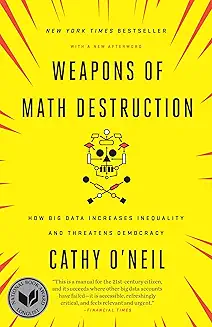
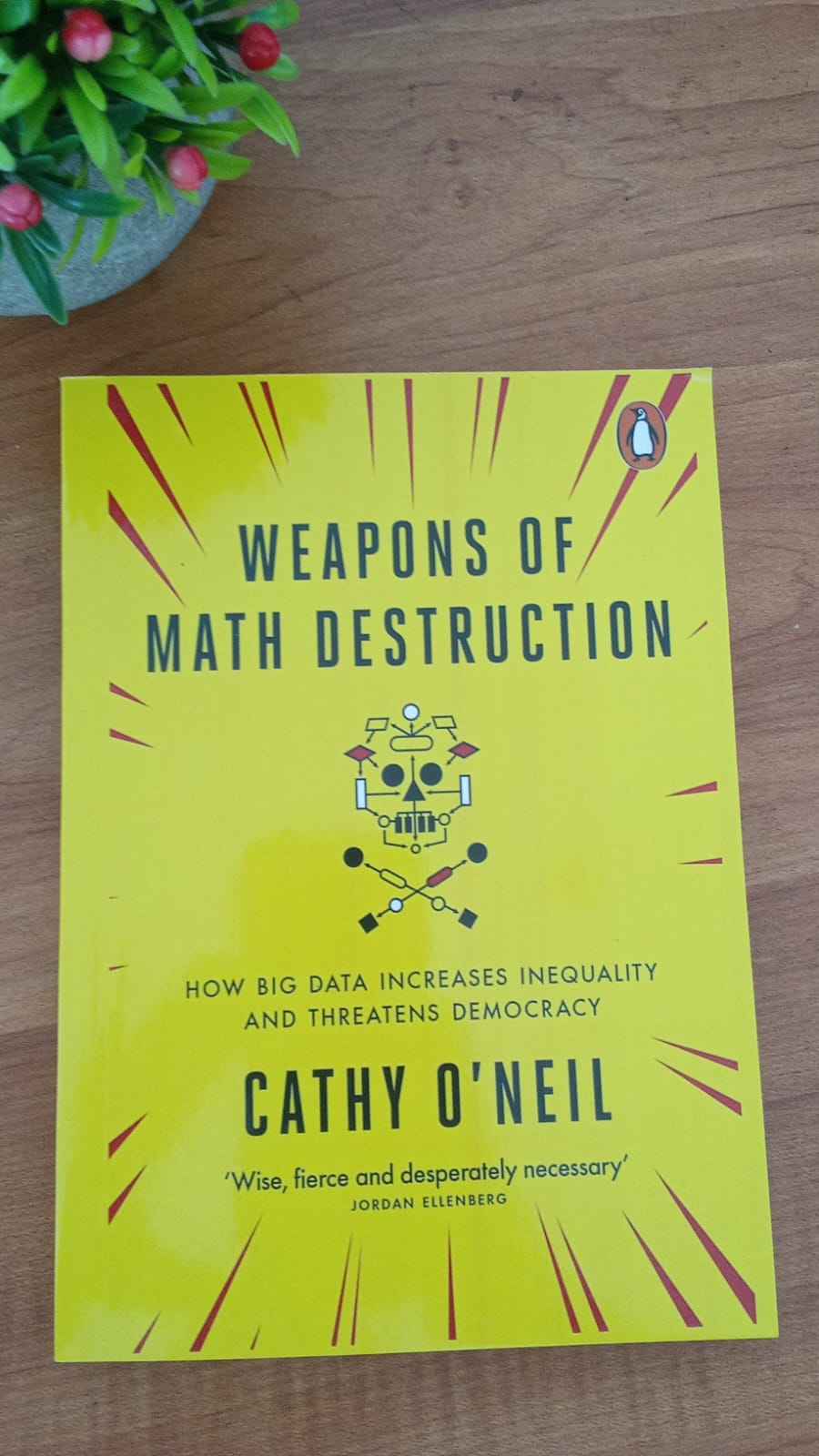
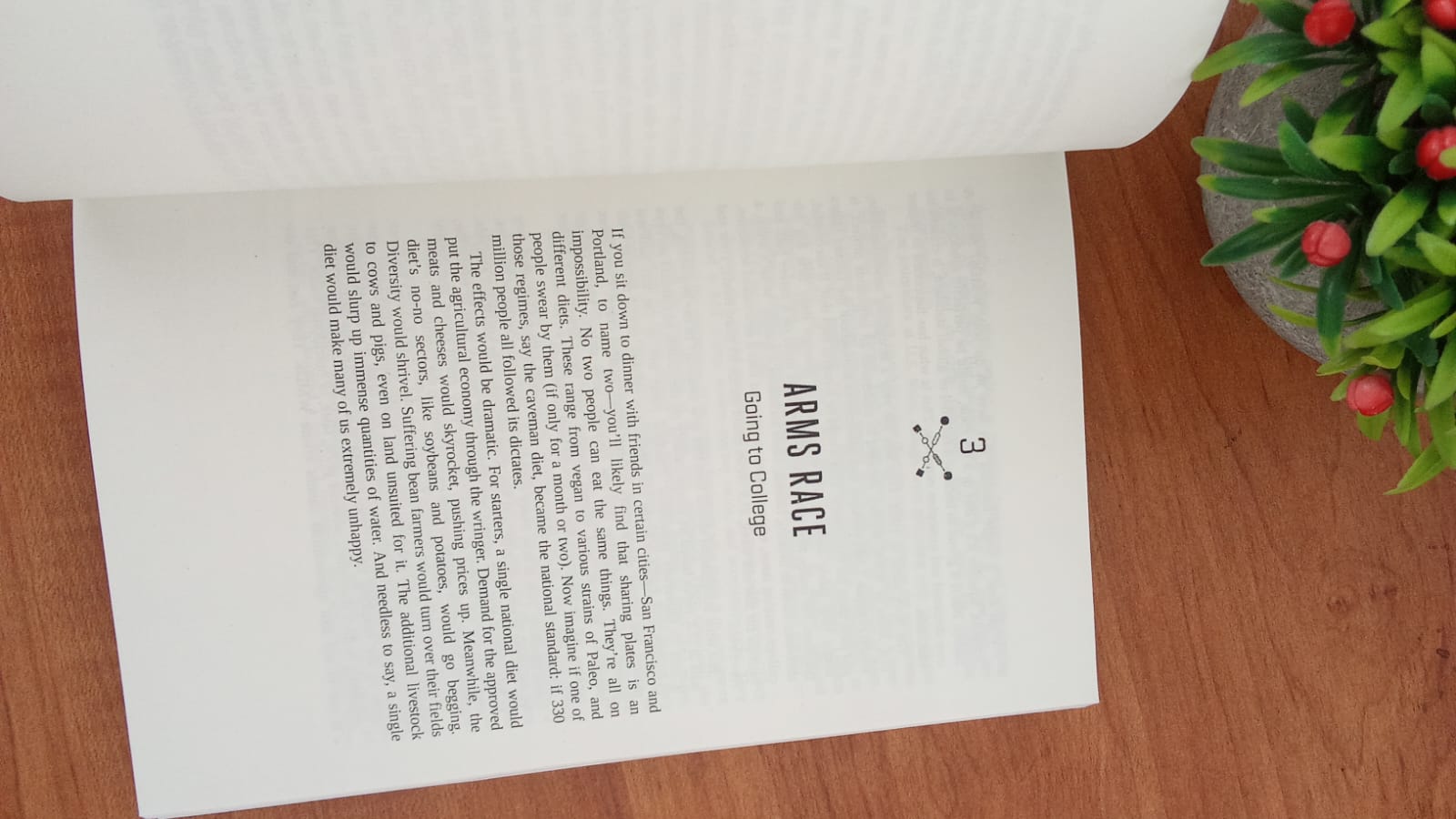
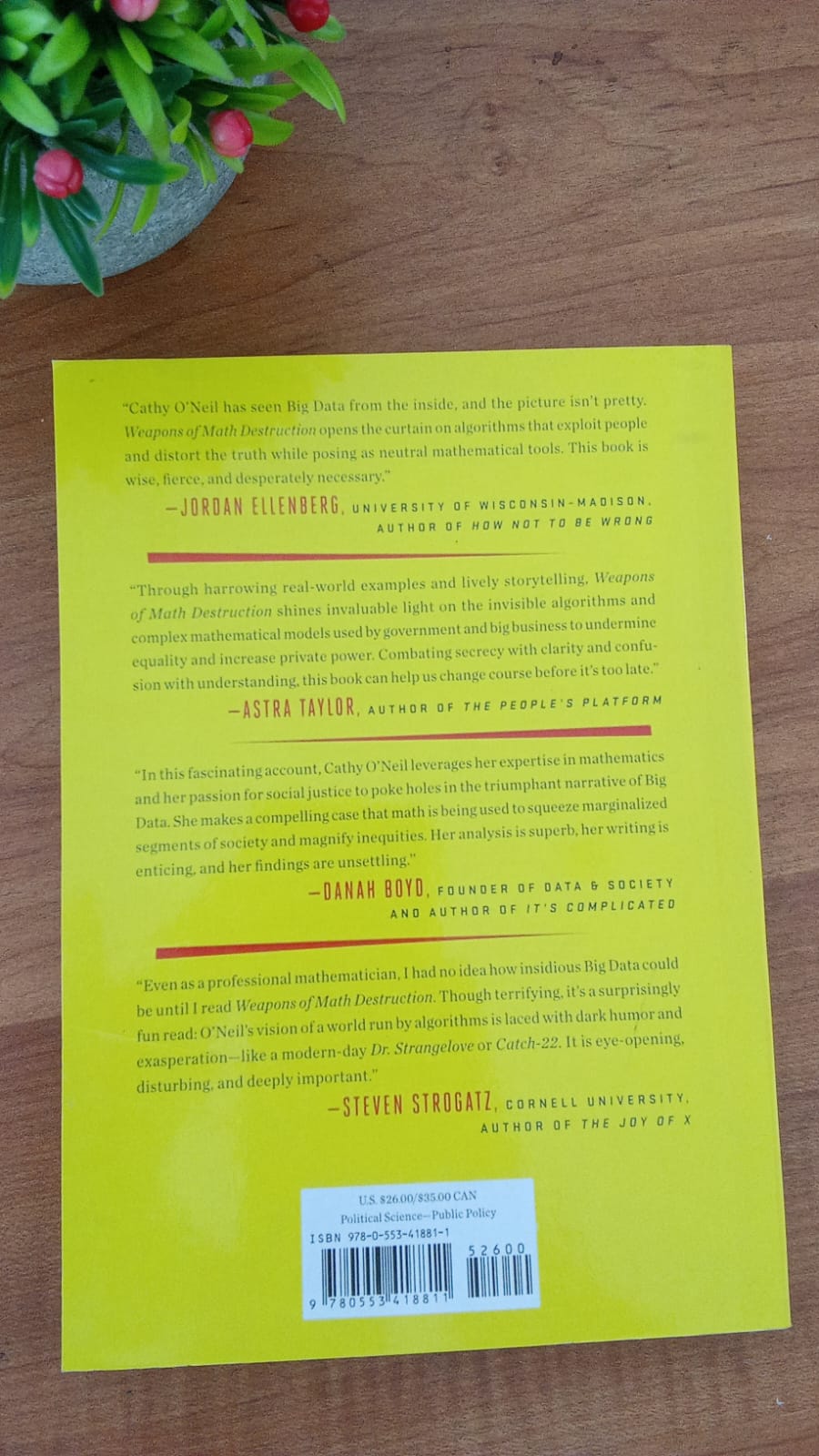
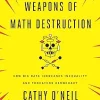
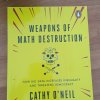
Weapons of math destruction by Cathy O’Neil


රු1,950.00
3 X Rs. 650.00 or 8% Cashback with


or 3 X රු650.00 with


or up to 4 X රු487.50 with


When Algorithms Become Dangerous
Weapons of Math Destruction by Cathy O’Neil is a powerful and eye-opening book that explores how big data and algorithms, often trusted as objective and fair, can actually reinforce inequality and create serious real-world consequences. The book reveals how these systems impact areas like education, employment, finance, and criminal justice—often without transparency or accountability.
The Truth Behind Big Data
In today’s digital world, algorithms influence many important decisions. However, Cathy O’Neil explains that these systems are not neutral. They are built by humans and can carry hidden biases. When used at scale, these biased models can unfairly affect millions of people.
The book introduces the idea that some algorithms become “Weapons of Math Destruction”—powerful systems that are opaque, unregulated, and harmful.
Key Insights From the Book
Readers will learn how to:
Understand the hidden bias in data-driven systems
Recognize how algorithms can reinforce inequality
Identify unfair decision-making in everyday life
Question automated systems instead of blindly trusting them
Appreciate the importance of ethical data use
5 in stock
Here is your product-style detailed description for Weapons of Math Destruction by Cathy O’Neil — written in the same style you requested:
Product Description
How Big Data Can Harm Instead of Help
Weapons of Math Destruction by Cathy O’Neil is a powerful and eye-opening book that reveals how big data and algorithms—often seen as objective and fair—can actually reinforce inequality and cause real-world harm. Instead of improving decision-making, these systems can quietly create unfair outcomes in areas like education, employment, finance, and criminal justice.
The central idea of Weapons of Math Destruction is that not all data-driven models are beneficial. When algorithms are poorly designed, unregulated, or biased, they become dangerous tools that affect millions of lives without accountability.
The Hidden Power of Algorithms
One of the key lessons in the book is that algorithms are not neutral. They are created by humans, and they reflect human assumptions and biases. Many systems that claim to be fair—such as credit scoring, hiring software, or school rankings—can actually discriminate against certain groups.
Cathy O’Neil explains that when people trust these systems blindly, they allow invisible decisions to shape opportunities and outcomes.
Understanding “Weapons of Math Destruction”
The book introduces the concept of “Weapons of Math Destruction” (WMDs)—algorithms that are:
- Opaque (hard to understand or challenge)
- Scalable (affecting large numbers of people)
- Harmful (reinforcing inequality or injustice)
Readers learn how these systems operate in everyday life and why they can be so damaging when left unchecked.
Real-World Examples
A major strength of Weapons of Math Destruction is its use of real-world examples. The book explores how algorithms impact:
- Education: Ranking systems that punish struggling schools
- Employment: Hiring tools that filter candidates unfairly
- Finance: Credit scoring models that trap people in cycles of debt
- Criminal Justice: Predictive policing systems that target certain communities
These examples make the issue clear and relatable, showing that algorithmic decisions are not just technical—they are deeply human.
Fairness, Accountability, and Transparency
The book emphasizes the need for greater transparency and accountability in data systems. Cathy O’Neil argues that algorithms should be audited and monitored, just like any powerful system.
Readers are encouraged to question automated decisions and understand how data is being used in their lives.
Technology in the Modern World
In today’s digital age, algorithms influence everything—from what we see online to the opportunities we receive. Weapons of Math Destruction highlights how this influence can grow dangerous when left unchecked.
The book reminds readers that technology should serve humanity, not control it.
Long-Term Impact and Awareness
Beyond raising awareness, the book encourages readers to think critically about fairness and ethics in technology. It shows that small design choices in algorithms can have massive social consequences.
By understanding these systems, individuals can become more informed and demand better, fairer solutions.
Who Should Read This Book
This book is ideal for:
- Readers interested in technology and society
- Students of data science and economics
- Professionals working with data and algorithms
- Anyone concerned about fairness and inequality
- Readers interested in modern social issues
Explore More Books
Explore more self-growth and non-fiction books here:
https://bargainbooks.lk
Lasting Impact
After reading Weapons of Math Destruction, many readers become more aware of how invisible systems shape their lives. Instead of blindly trusting data, they begin to question and understand it.
Be the first to review “Weapons of math destruction by Cathy O’Neil”
Related products
-18%

Out of stock
Original price was: රු2,800.00.රු2,300.00Current price is: රු2,300.00.
3 X Rs. 766.67 or 8% Cashback with
or 3 X රු766.67 with
or up to 4 X රු575.00 with
Out of stock
Non-Fiction & Knowledge
රු1,500.00
3 X Rs. 500.00 or 8% Cashback with
or 3 X රු500.00 with
or up to 4 X රු375.00 with
-23%

Non-Fiction & Knowledge
Original price was: රු2,200.00.රු1,700.00Current price is: රු1,700.00.
3 X Rs. 566.67 or 8% Cashback with
or 3 X රු566.67 with
or up to 4 X රු425.00 with
-24%
Non-Fiction & Knowledge
Original price was: රු2,300.00.රු1,750.00Current price is: රු1,750.00.
3 X Rs. 583.33 or 8% Cashback with
or 3 X රු583.33 with
or up to 4 X රු437.50 with
-7%

Out of stock
Original price was: රු4,500.00.රු4,200.00Current price is: රු4,200.00.
3 X Rs. 1,400.00 or 8% Cashback with
or 3 X රු1,400.00 with
or up to 4 X රු1,050.00 with

Non-Fiction & Knowledge
රු1,950.00
3 X Rs. 650.00 or 8% Cashback with
or 3 X රු650.00 with
or up to 4 X රු487.50 with
Non-Fiction & Knowledge
රු1,550.00
3 X Rs. 516.67 or 8% Cashback with
or 3 X රු516.67 with
or up to 4 X රු387.50 with
-19%

Out of stock
Biography
Original price was: රු2,400.00.රු1,950.00Current price is: රු1,950.00.
3 X Rs. 650.00 or 8% Cashback with
or 3 X රු650.00 with
or up to 4 X රු487.50 with
Reviews
There are no reviews yet.