
No products in the cart.
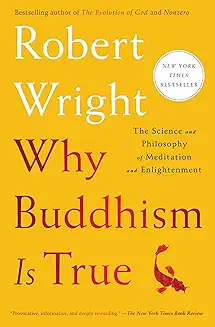
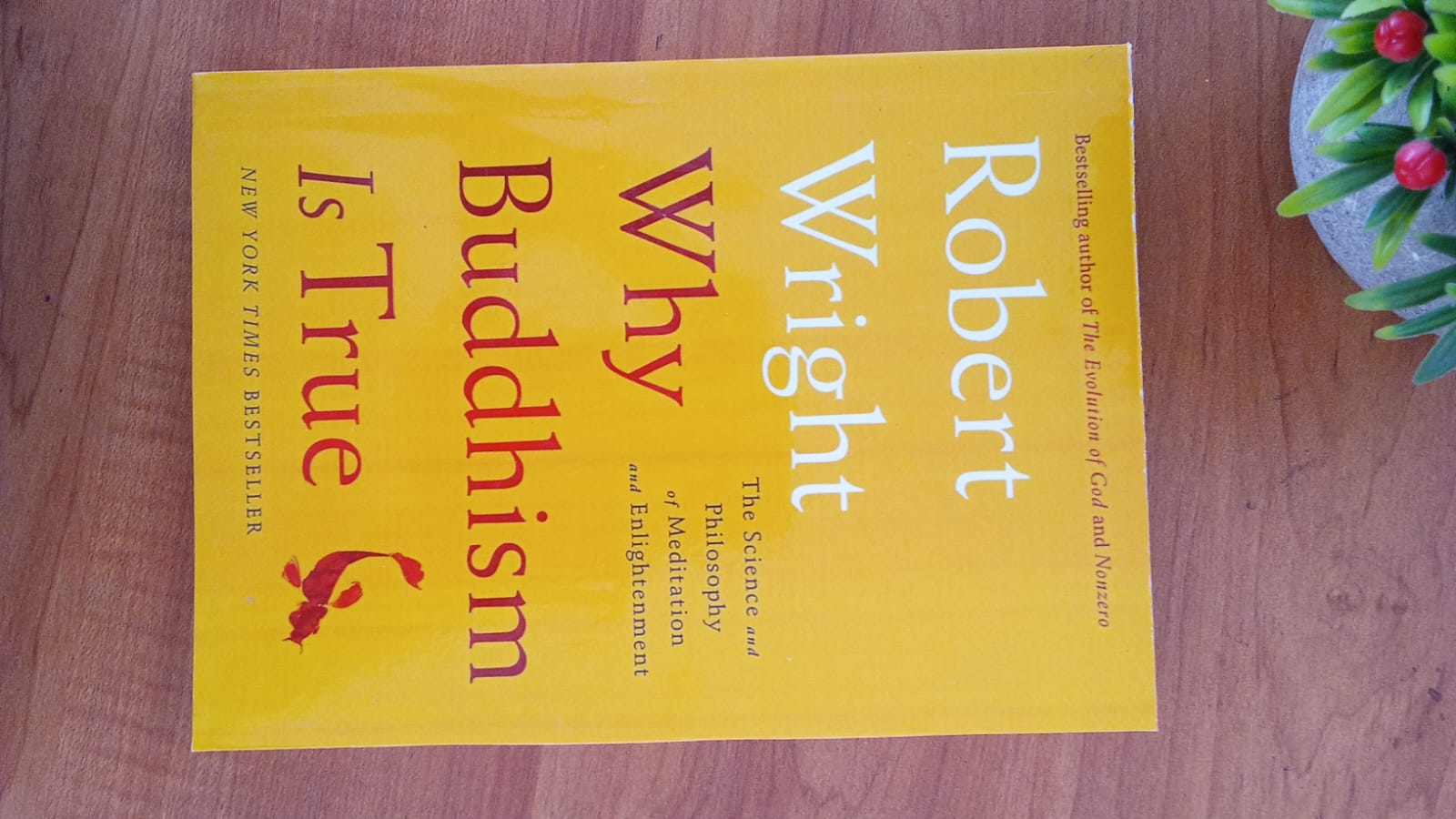
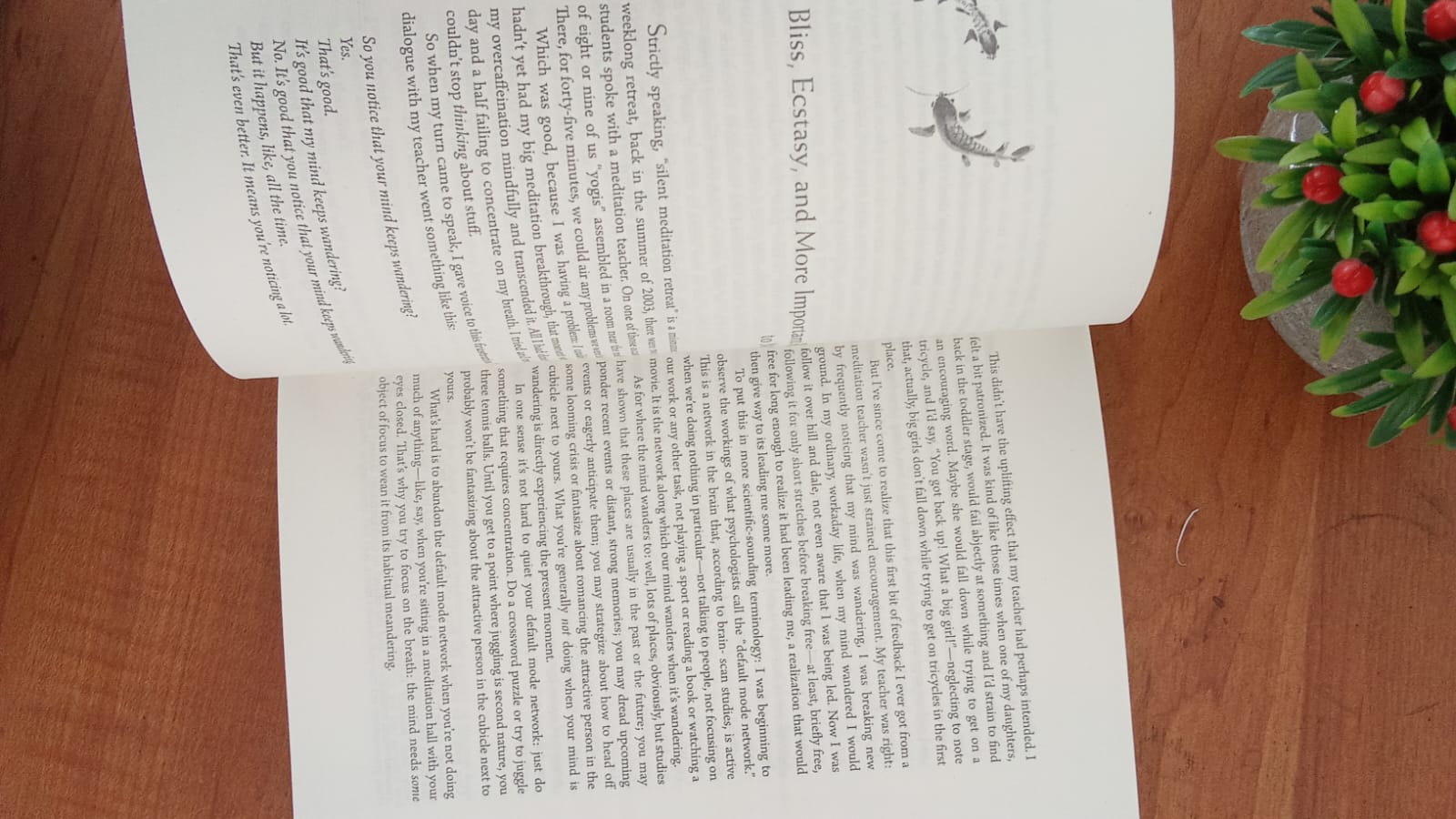

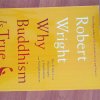


Why buddhism is true by Robert Wright


රු1,850.00
3 X Rs. 616.67 or 8% Cashback with


or 3 X රු616.67 with


or up to 4 X රු462.50 with


A Powerful Blend of Science and Spiritual Insight
Why Buddhism Is True: The Science and Philosophy of Meditation and Enlightenment by Robert Wright is a groundbreaking book that connects modern science with the timeless wisdom of Buddhism. The book explores how ideas from evolutionary psychology and neuroscience support Buddhist teachings about the human mind, suffering, and happiness.
Instead of presenting Buddhism as a religious belief system, the author explains it as a practical method for understanding how our thoughts and emotions work—and how they often mislead us.
Why Our Minds Work Against Us
One of the central ideas of Why Buddhism Is True is that the human brain was shaped by evolution to ensure survival, not happiness. As a result, we are naturally prone to anxiety, dissatisfaction, and endless desire.
Robert Wright explains that many of our feelings—such as craving, fear, and attachment—are not always reliable reflections of reality. By understanding this, readers can begin to question automatic reactions and develop a more balanced mindset.
Out of stock
Email when stock available
Here is your product-style detailed description for Why Buddhism Is True by Robert Wright — written in the same style you requested:
Product Description
A Scientific Approach to Ancient Wisdom
Why Buddhism Is True by Robert Wright is a thought-provoking book that explores how modern science—especially Evolutionary Psychology and neuroscience—supports key ideas found in Buddhism. Rather than presenting Buddhism as a religion, the book explains it as a practical philosophy for understanding the human mind and reducing suffering.
The central idea of Why Buddhism Is True is that many of our thoughts, emotions, and desires are shaped by evolution in ways that do not always serve our happiness. By understanding this, we can learn to see reality more clearly and live with greater peace.
Understanding the Mind and Illusion
One of the book’s key messages is that the human brain is not designed to make us happy—it is designed to help us survive. As a result, our minds often create illusions, attachments, and cravings that lead to dissatisfaction.
Robert Wright explains how concepts like mindfulness help us observe these mental patterns instead of being controlled by them. By becoming aware of how thoughts arise and pass, readers begin to see that not everything they feel or think is true.
Core Ideas Explained
The book breaks down Buddhist principles in a modern, accessible way. Readers learn how to:
- Recognize how evolution shapes emotions
- Understand why desire and attachment cause suffering
- Practice mindfulness in daily life
- See through illusions created by the mind
- Develop a more balanced and calm perspective
Because these ideas are explained using science and real-life examples, the book feels practical and easy to apply.
Mindfulness and Awareness
A major focus of Why Buddhism Is True is mindfulness—the ability to observe thoughts and feelings without reacting immediately. This practice allows individuals to step back from automatic emotional responses.
Instead of being driven by anger, anxiety, or craving, readers learn to pause and understand what is happening internally. Over time, this leads to greater emotional control and clarity.
Breaking Free from Suffering
The book emphasizes that much of human suffering comes from misperception—seeing things as permanent, personal, or more important than they really are. By applying Buddhist insights, readers can reduce unnecessary stress and dissatisfaction.
Wright shows that happiness does not come from getting everything we want, but from changing how we relate to our thoughts and desires.
Ancient Wisdom in the Modern World
In today’s fast-paced world filled with distractions, stress, and constant comparison, the teachings in Why Buddhism Is True feel especially relevant. The book connects ancient philosophy with modern challenges like anxiety, overthinking, and digital overload.
It reminds readers that clarity and peace come not from external success, but from understanding the mind itself.
Long-Term Growth and Perspective
Beyond short-term relief, the book encourages long-term transformation. Readers begin to question their assumptions, become less reactive, and develop a deeper sense of awareness.
This shift leads to improved relationships, better decision-making, and a more meaningful life.
Who Should Read This Book
This book is ideal for:
- Readers interested in psychology and human behavior
- People exploring mindfulness and meditation
- Anyone dealing with stress, anxiety, or overthinking
- Readers curious about Buddhism from a scientific perspective
- Individuals seeking deeper self-awareness
Explore More
Explore more self-growth and psychology books here:
Lasting Impact
After reading Why Buddhism Is True, many readers develop a calmer and clearer understanding of their own mind. Instead of being controlled by thoughts and emotions, they learn to observe and manage them effectively.
Be the first to review “Why buddhism is true by Robert Wright”
Related products

Out of stock
Non-Fiction & Knowledge
රු1,900.00
3 X Rs. 633.33 or 8% Cashback with
or 3 X රු633.33 with
or up to 4 X රු475.00 with

Out of stock
Non-Fiction & Knowledge
රු1,600.00
3 X Rs. 533.33 or 8% Cashback with
or 3 X රු533.33 with
or up to 4 X රු400.00 with
-23%

Non-Fiction & Knowledge
Original price was: රු2,200.00.රු1,700.00Current price is: රු1,700.00.
3 X Rs. 566.67 or 8% Cashback with
or 3 X රු566.67 with
or up to 4 X රු425.00 with
-26%

Non-Fiction & Knowledge
The 7 Habits of Highly Effective People by Stephen R. Covey – Blue Cover
Original price was: රු2,300.00.රු1,700.00Current price is: රු1,700.00.
3 X Rs. 566.67 or 8% Cashback with
or 3 X රු566.67 with
or up to 4 X රු425.00 with
-21%

Non-Fiction & Knowledge
7 Secrets to Investing Like Warren Buffett by Mary Buffett & Sean Seah
Original price was: රු1,900.00.රු1,500.00Current price is: රු1,500.00.
3 X Rs. 500.00 or 8% Cashback with
or 3 X රු500.00 with
or up to 4 X රු375.00 with

Out of stock
Self-Help & Psychology
රු1,900.00
3 X Rs. 633.33 or 8% Cashback with
or 3 X රු633.33 with
or up to 4 X රු475.00 with
-17%

Out of stock
Non-Fiction & Knowledge
Original price was: රු2,900.00.රු2,400.00Current price is: රු2,400.00.
3 X Rs. 800.00 or 8% Cashback with
or 3 X රු800.00 with
or up to 4 X රු600.00 with

Out of stock
Self-Help & Psychology
රු1,500.00
3 X Rs. 500.00 or 8% Cashback with
or 3 X රු500.00 with
or up to 4 X රු375.00 with
Reviews
There are no reviews yet.