
No products in the cart.
-12%
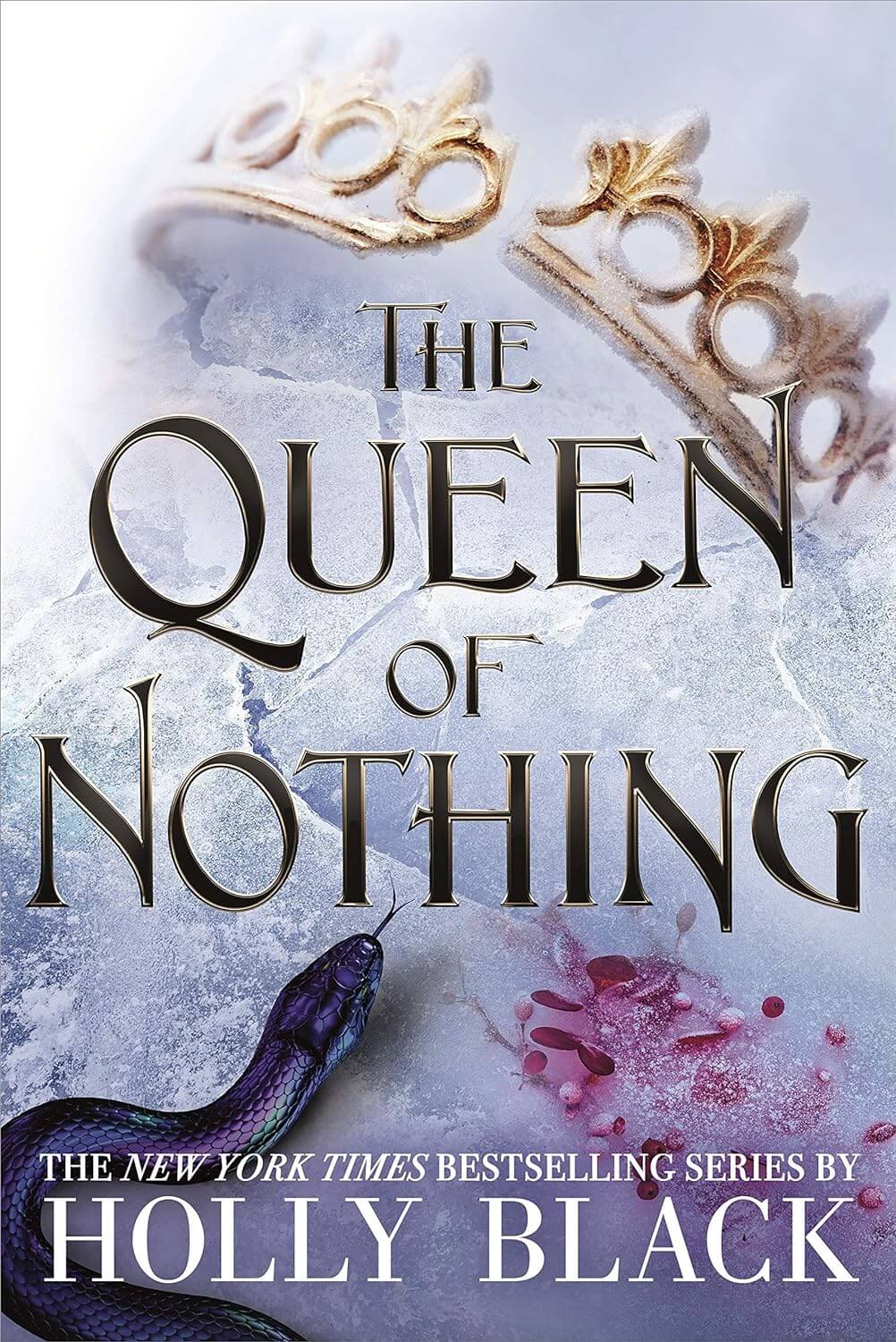
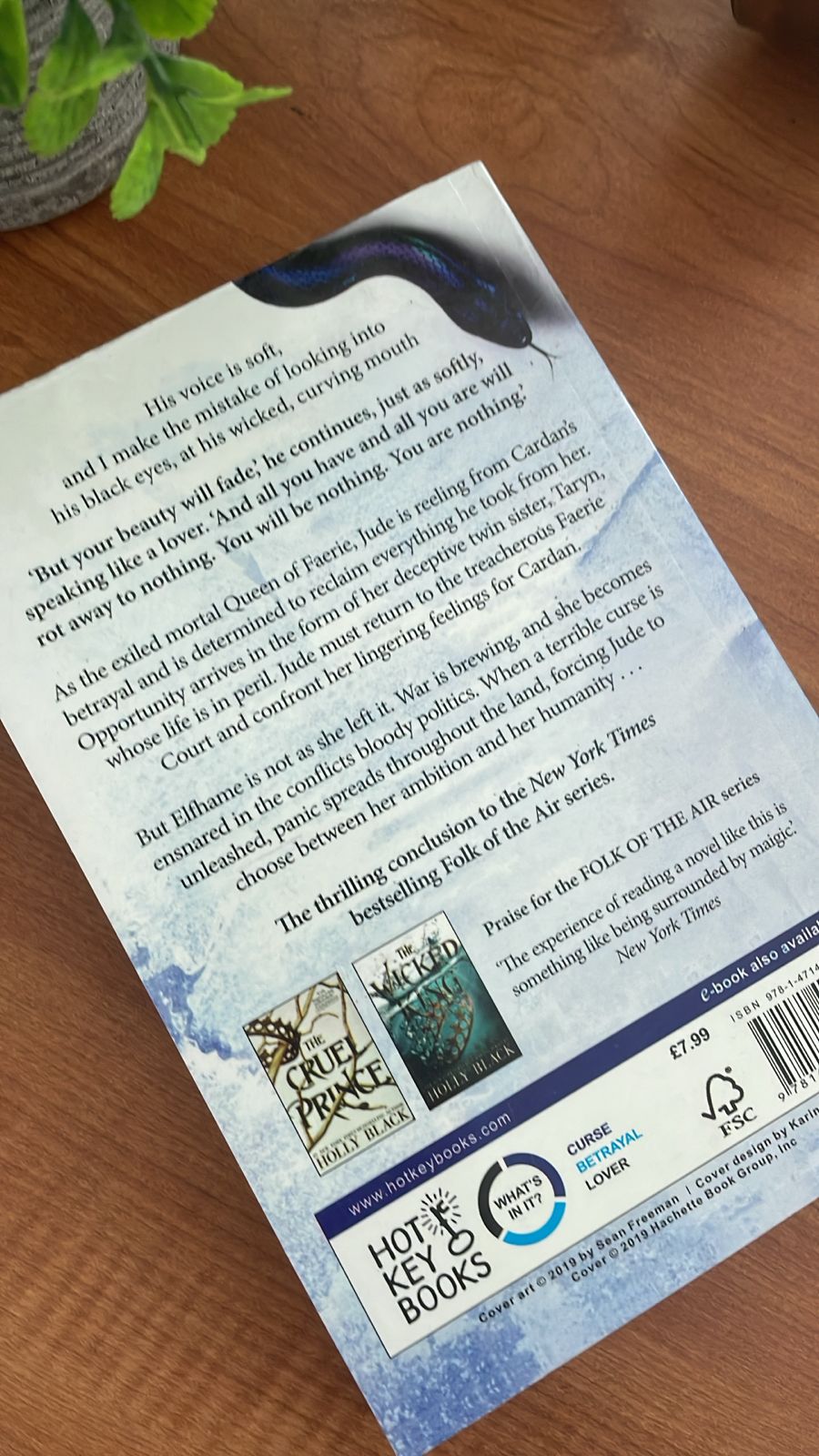
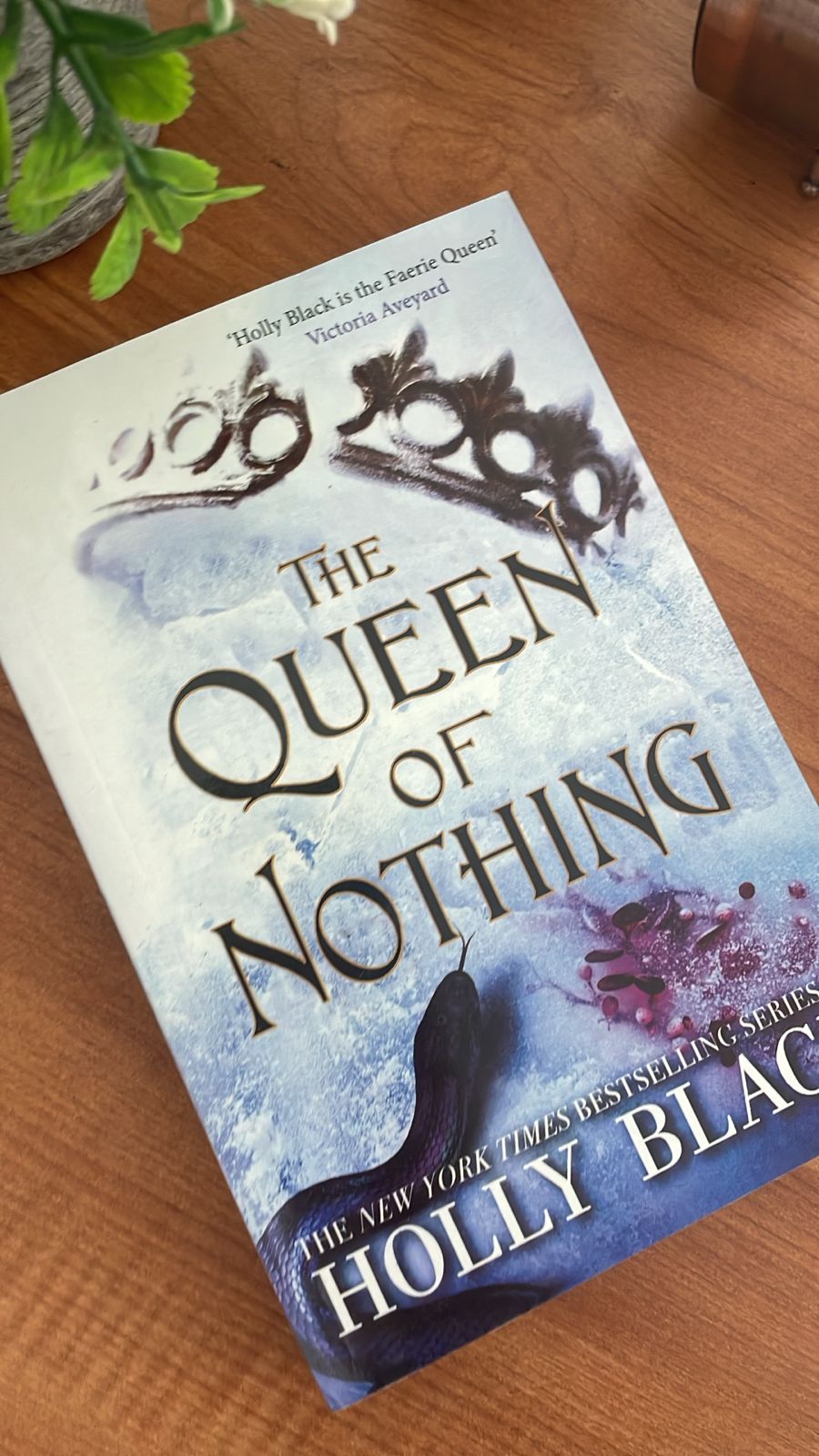


The Queen of Nothing by Holly Black
Original price was: රු1,700.00.රු1,490.00Current price is: රු1,490.00.
3 X Rs. 496.67 or 8% Cashback with


or 3 X රු496.67 with


or up to 4 X රු372.50 with


Immerse yourself in the captivating finale of Holly Black’s Folk of the Air series, The Queen of Nothing. This fantasy novel is perfect for fans of magic, intrigue, and epic battles. Discover the fate of Jude and the world of Elfhame in this thrilling conclusion.
17 in stock
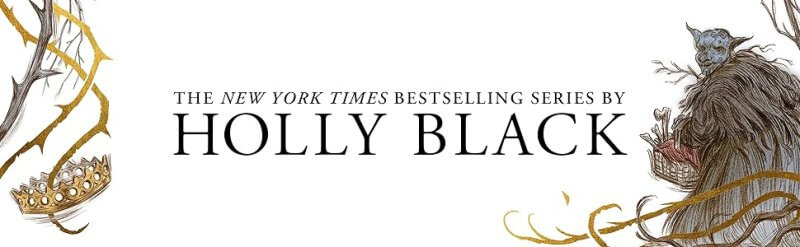
The Queen of Nothing by Holly Black is the thrilling final book in The Folk of the Air trilogy, bringing Jude Duarte back into a dangerous world of Faerie politics, betrayal, forbidden desire, shifting alliances and deadly magic.
Jude has fought for power in a world that was never designed to accept her.
She is mortal.
The Folk are not.
They are stronger.
More magical.
Often crueler.
And many of them believe humans should know their place.
Jude has never been particularly interested in knowing hers.
After everything she sacrificed to gain influence in Elfhame, she now finds herself far from the throne and living in the mortal world with Vivi and Oak.
Worse still, she has been betrayed by the person she trusted least—and perhaps cared about most.
Cardan.
The King of Elfhame.
Her enemy.
Her husband.
And the person responsible for sending her away.
Then Jude’s twin sister Taryn appears with a dangerous request.
Helping her means returning to Faerie.
Returning means facing Cardan.
And once Jude crosses back into that world, she discovers that Elfhame is moving toward conflict.
Old enemies are becoming dangerous again.
Political alliances are unstable.
A powerful curse threatens the crown.
And Jude may have to decide what she is willing to sacrifice to protect the world she once fought so desperately to rule.
The Queen of Nothing by Holly Black delivers the political intrigue, sharp dialogue, morally complicated characters, dangerous romance and ruthless Faerie magic that made The Cruel Prince and The Wicked King so addictive.
The Queen of Nothing by Holly Black – Book Overview
The Queen of Nothing by Holly Black begins after the shocking events of The Wicked King.
This means readers should not start the trilogy here.
Jude’s position, her complicated relationship with Cardan, the politics of Elfhame and the danger surrounding Oak all depend heavily on what happened in the first two books.
The finale wastes little time rebuilding those foundations.
Instead, it asks:
What happens after Jude finally gains power—and then loses access to it?
Jude Duarte
Jude remains one of the strongest reasons to read the trilogy.
She is not a traditional fantasy heroine.
She is not naturally magical.
She is not morally perfect.
She can be:
Ambitious.
Manipulative.
Violent.
Brave.
Loyal.
Ruthless.
Vulnerable.
Those contradictions make her compelling.
Jude has spent years learning how to survive among creatures more powerful than she is.
Her greatest weapons are often:
Observation.
Strategy.
Courage.
Political intelligence.
And the willingness to do what others assume a mortal would never dare.
A Mortal in Faerie
Jude’s mortality has always been central to her identity.
In Faerie, being human can be treated as weakness.
Mortals age.
They can be enchanted.
They lack many of the natural advantages of the Folk.
But Jude refuses to accept the idea that magical power is the only kind of power that matters.
Her story repeatedly demonstrates that:
Knowledge matters.
Strategy matters.
Courage matters.
Understanding people matters.
Exile
At the beginning of The Queen of Nothing by Holly Black, Jude is removed from the world she worked so hard to influence.
That exile hurts for several reasons.
She has lost:
Political power.
Access to Elfhame.
Control over events.
And the ability to confront Cardan directly.
For someone like Jude, helplessness may be worse than physical danger.
Cardan Greenbriar
Cardan has changed dramatically across the trilogy.
In The Cruel Prince, he appears cruel, spoiled and dangerous.
Later, readers discover additional layers beneath that behavior.
But Cardan never becomes a simple heroic prince.
He remains:
Unpredictable.
Sharp-tongued.
Emotionally guarded.
Powerful.
Difficult.
That complexity is one reason the relationship between Jude and Cardan became so popular.
Jude and Cardan
The Jude-and-Cardan relationship is built from contradiction.
Enemies.
Rivals.
Political partners.
Two people who frequently distrust each other.
Two people drawn to each other anyway.
Their relationship contains:
Anger.
Desire.
Manipulation.
Vulnerability.
Power struggles.
Moments of unexpected honesty.
Readers looking for a gentle, uncomplicated romance should not expect one.
This is a relationship shaped by Faerie politics and by two characters who are both very good at protecting themselves emotionally.
Enemies to Lovers
The Queen of Nothing by Holly Black continues one of the trilogy’s biggest romance tropes:
Enemies to lovers.
But the appeal is not simply that two people who disliked each other become attracted.
The deeper tension comes from power.
Who controls the throne?
Who controls the relationship?
Who trusts whom?
Who is pretending?
Who understands the other person better than anyone else?
Political Fantasy
The trilogy is not only a romance.
Politics remain essential.
Elfhame is filled with:
Kings.
Courts.
Nobles.
Spies.
Oaths.
Alliances.
Family claims.
Secret bargains.
A single decision can shift the balance of power.
Jude must constantly think several moves ahead.
The Crown
Power in Faerie is connected strongly to the crown.
But The Queen of Nothing by Holly Black also asks whether having a title really means having control.
A ruler may wear a crown while:
Advisers manipulate them.
Enemies prepare rebellion.
Old promises create obligations.
Magic limits their choices.
True power is rarely as simple as sitting on a throne.
A Dangerous Curse
The official synopsis reveals that a dark curse becomes central to the finale. Jude must understand what is happening before the consequences destabilize the entire Faerie realm.
The curse brings together several of the trilogy’s central themes:
Power.
Choice.
Loyalty.
Identity.
Sacrifice.
Love.
The Meaning of Prophecy
Fantasy prophecies often sound inevitable.
Someone will rise.
Someone will fall.
A crown will be destroyed.
But prophecies create an interesting problem:
Does knowing the future cause people to make it happen?
Characters may behave differently because they fear a prediction.
That means prophecy can influence events even before it comes true.
Taryn Duarte
Taryn, Jude’s twin sister, plays an important role in bringing Jude back toward Faerie.
The sisters look alike.
Their personalities are very different.
Jude often confronts danger.
Taryn has historically tried to survive through different choices.
Their relationship includes:
Love.
Resentment.
Betrayal.
Family loyalty.
Competition.
Sisters
The relationship between Jude and Taryn is one of the trilogy’s most complicated family dynamics.
Being sisters does not automatically mean trusting one another.
They have hurt each other.
Made different choices.
Wanted different lives.
Yet shared history continues connecting them.
Vivi
Vivienne, or Vivi, represents another relationship with Faerie.
Unlike Jude, Vivi often seems much more comfortable rejecting Faerie politics entirely.
She would rather build a life in the mortal world.
This creates an important contrast.
Jude desperately wanted a place in Faerie.
Vivi, who possesses more natural belonging there, often wants distance from it.
Oak
Oak remains politically important because of his relationship to Elfhame’s succession.
But Jude also sees him as family.
That creates another conflict:
What is politically useful may not be emotionally right.
Protecting Oak sometimes means deciding how much power a child should be expected to carry.
Madoc
Madoc is one of the trilogy’s most fascinating characters.
He raised Jude.
He trained her.
He taught her about combat and strategy.
He also has ambitions of his own.
This creates an extraordinary conflict because Jude’s greatest political opponent can also be someone who helped shape her into the person capable of opposing him.
Family and Power
Holly Black repeatedly complicates the idea of family.
A person may love you and still betray you.
A person may hurt you and still believe they are protecting you.
Family loyalty and political loyalty are not always the same.
That is especially true in The Queen of Nothing by Holly Black.
Lessons From an Enemy
Madoc taught Jude how power works.
Those lessons now make her dangerous.
This creates a classic student-versus-teacher dynamic.
A mentor teaches someone how to win.
Eventually, that student may use those lessons against the mentor.
Faerie Politics
The Folk do not operate according to ordinary human expectations.
Promises matter.
Words matter.
Deals matter.
Technical truths matter.
The inability of many faeries to lie directly does not make them honest.
It simply makes deception more creative.
Faeries and Truth
One of the delights of Holly Black’s Faerie world is that truth can still mislead.
Someone can say something technically true while creating a completely false impression.
That means conversations function almost like battles.
Readers need to notice:
Exact wording.
Hidden intentions.
What is not being said.
Glamour
Faerie magic can influence perception.
Mortals may see what the Folk want them to see.
This makes knowledge and preparation particularly important for human characters.
A beautiful appearance cannot automatically be trusted.
Beauty and Danger
Elfhame is seductive because it is both beautiful and dangerous.
Feasts.
Music.
Forests.
Palaces.
Jewels.
Magic.
All exist beside:
Poison.
Cruelty.
Violence.
Betrayal.
That contrast is one of the defining features of the trilogy.
Power
Jude’s relationship with power changes across the three books.
At first, power seems like protection.
If she becomes powerful enough, perhaps nobody can humiliate or hurt her.
But gaining power creates new dangers.
Responsibility.
Enemies.
Fear of losing it.
The need to decide what kind of person she wants to become.
Ambition
Jude is ambitious.
The trilogy does not apologize for that.
Female protagonists are sometimes expected to want power only for noble reasons.
Jude also wants power because she likes being powerful.
That honesty makes her refreshing.
What Does Power Cost?
The more power Jude gains, the more difficult the decisions become.
Power may cost:
Relationships.
Trust.
Safety.
Innocence.
Peace.
This forces her to decide what she actually values.
Humanity
Because Jude is surrounded by immortal or long-lived magical creatures, her humanity sometimes feels like a disadvantage.
But the finale also explores why humanity matters.
Mortality creates urgency.
Compassion matters.
Choice matters.
The ability to change matters.
Strength Versus Cruelty
Faerie culture often admires cruelty.
Jude has learned to use cruelty when necessary.
But becoming capable of cruelty is not the same as allowing cruelty to define you.
This distinction becomes increasingly important.
Love and Vulnerability
Jude is comfortable with knives.
She is less comfortable with emotional vulnerability.
Love requires something political strategy often discourages:
Trust.
That makes romance especially difficult for someone trained to expect betrayal.
Cardan and Vulnerability
Cardan also hides insecurity beneath arrogance and cruelty.
Their relationship becomes compelling partly because each recognizes weaknesses the other tries to hide.
To love someone who knows where you are vulnerable can feel terrifying.
Trust
Trust is perhaps more dangerous than magic in this trilogy.
Jude constantly has to decide:
Can I trust Cardan?
Can I trust Taryn?
Can I trust Madoc?
Can I trust the court?
Can I trust myself?
A wrong answer can have political and personal consequences.
Betrayal
Betrayal appears repeatedly throughout The Folk of the Air.
But betrayals hurt precisely because trust existed first.
An enemy attacking you is expected.
Someone close to you making a secret choice is different.
Revenge
Jude frequently has reasons to want revenge.
But revenge does not always solve the underlying problem.
The finale pushes characters toward decisions where victory may require something more complicated than simply defeating an enemy.
Leadership
A major question in The Queen of Nothing by Holly Black is what makes someone worthy to rule.
Birth?
Magic?
Strength?
Strategy?
Popular support?
Compassion?
There is no simple answer.
A ruler needs enough strength to survive politics but enough judgment not to destroy everything they rule.
The Queen of Nothing
The title captures Jude’s position perfectly.
She has been declared a queen.
Yet she has been exiled.
A title without access to power can feel meaningless.
But perhaps being queen involves more than physical possession of a throne.
Identity
Jude has spent years defining herself in opposition to the Folk.
Human.
Mortal.
Outsider.
But Elfhame has also become home.
That raises one of the trilogy’s strongest questions:
Can you belong somewhere that once rejected you?
Home
The mortal world is safer.
Faerie feels more dangerous.
Yet safety and belonging are not always identical.
Jude has become deeply connected to Elfhame through:
Family.
Ambition.
Memory.
Love.
Conflict.
Returning there therefore feels both dangerous and inevitable.
Is The Queen of Nothing the Third Book?
Yes.
The Queen of Nothing by Holly Black is Book 3 of The Folk of the Air trilogy and concludes the main Jude-and-Cardan trilogy.
Correct Reading Order
Read the main trilogy in this order:
1. The Cruel Prince
2. The Wicked King
3. The Queen of Nothing
This order is essential.
Do not begin with The Queen of Nothing, because it directly continues major events from The Wicked King.
Optional Companion: The Lost Sisters
The Lost Sisters is a shorter companion story told from Taryn’s perspective.
It can be read after The Cruel Prince and before or around the time you read The Wicked King.
It is optional rather than required.
How the King of Elfhame Learned to Hate Stories
After finishing the main trilogy, readers can also explore How the King of Elfhame Learned to Hate Stories.
This illustrated companion focuses more closely on Cardan and provides additional perspective on his life and character.
It is best enjoyed after the trilogy to avoid spoiling character developments.
The Stolen Heir
Holly Black later returned to the same Faerie world with The Stolen Heir, followed by The Prisoner’s Throne.
These books focus on different central characters while continuing events in the larger world.
Your inventory also includes The Prisoner’s Throne by Holly Black.
For the strongest reading experience, finish the original Folk of the Air trilogy before beginning that later duology.
Is The Queen of Nothing a Standalone?
No.
Although it completes its own major conflict, it is the final book of a trilogy.
Reading it without the first two books would remove much of the emotional and political context.
Is It a Romance?
Romance is important, especially Jude and Cardan’s relationship.
However, The Queen of Nothing by Holly Black is primarily YA fantasy with:
Political intrigue.
Faerie magic.
Family conflict.
Action.
Court politics.
Romance.
Readers should expect the romantic relationship to be integrated into a larger fantasy plot rather than dominating every chapter.
Is It Enemies to Lovers?
Yes.
Jude and Cardan are one of the best-known modern YA fantasy enemies-to-lovers pairings.
Their relationship develops across the entire trilogy, so the romantic payoff in the finale works best when readers have experienced their earlier hostility, rivalry and political manipulation.
Is It Spicy?
The trilogy contains romantic and sensual content, but it is marketed primarily as young-adult fantasy rather than explicit adult romantasy.
Readers looking for extremely graphic romance should not expect that level of content.
Is It Suitable for Teen Readers?
The Australian publisher lists the book for approximately ages 14–19.
However, parents and younger readers should be aware that the series contains violence, murder, manipulation, dangerous relationships and dark family themes.
Content Considerations
The Queen of Nothing by Holly Black contains potentially sensitive material involving:
- Fantasy violence
- Blood and injury
- Murder and attempted murder
- Poisoning
- Threats
- War and political conflict
- Manipulation
- Betrayal
- Abusive and complicated family dynamics
- Emotional cruelty
- Dangerous magical creatures
- Death
- Coercive power structures
- Romantic relationships involving hostility and manipulation
The book is dark YA fantasy rather than graphic adult horror, but the emotional and political stakes can be intense.
Holly Black
Holly Black is the bestselling fantasy author behind The Folk of the Air, The Spiderwick Chronicles, The Coldest Girl in Coldtown and other works involving dark, dangerous versions of Faerie.
Her official site identifies The Queen of Nothing as the finale that began with The Cruel Prince and continued through The Wicked King.
Edition Note
Different regional editions have different ISBNs and formats.
For example, Hachette’s U.S. trade paperback is ISBN 9780316310376 and has 336 pages, while the Hot Key Books UK/Australian editions use different ISBNs.
For WooCommerce, use the ISBN, format and page count printed on your exact physical copy rather than copying details from another regional edition.
Important Themes
The Queen of Nothing by Holly Black explores:
- Faerie
- Political power
- Enemies to lovers
- Jude and Cardan
- Ambition
- Betrayal
- Trust
- Family
- Leadership
- Identity
- Mortality
- Curses
- Prophecy
- Loyalty
- Revenge
- Manipulation
- Belonging
- Sacrifice
- Love
- Choice
7 Epic Reasons to Read The Queen of Nothing by Holly Black
- Jude finally has to decide what kind of ruler she wants to be. Her ambition has driven much of the trilogy, but the finale forces her to consider what power is actually worth.
- Jude and Cardan’s relationship reaches its most important stage. The enemies-to-lovers tension, betrayal, attraction and political partnership built across the first two books all matter here.
- Faerie politics become even more dangerous. Competing claims, old enemies, shifting alliances and the threat of war create constant tension.
- The curse adds a powerful magical mystery. Jude cannot solve the problem simply by winning a sword fight; she must understand what is happening and make a difficult choice.
- Family relationships remain as complicated as political ones. Taryn, Vivi, Oak and Madoc all force Jude to balance personal loyalty against strategic necessity.
- Jude remains refreshingly morally complicated. She is capable of violence and manipulation but also fierce loyalty, courage and love, making her much more interesting than a perfectly heroic protagonist.
- It delivers the conclusion to The Folk of the Air trilogy. Readers who have followed Jude from The Cruel Prince and The Wicked King finally receive the culmination of the trilogy’s major political, magical and romantic conflicts.
Why Read The Queen of Nothing by Holly Black?
The Queen of Nothing by Holly Black is an excellent choice for readers interested in:
- Holly Black
- The Folk of the Air
- The Cruel Prince
- The Wicked King
- Jude Duarte
- Cardan Greenbriar
- Enemies-to-lovers fantasy
- Faerie fantasy
- YA fantasy
- Political fantasy
- Court intrigue
- Morally grey characters
- Dangerous romance
- Strong female protagonists
- Magical curses
- Family conflict
- Dark fantasy
- BookTok fantasy
- Fantasy trilogies
- Fae romance
It is particularly suitable for readers who enjoy romances where love and power are inseparable from politics, danger and complicated personal history.
Who Should Read This Book?
The Queen of Nothing by Holly Black may especially appeal to readers who have already completed The Cruel Prince and The Wicked King, fans of fae fantasy, enemies-to-lovers readers, BookTok fantasy fans, readers who enjoy morally grey heroines and anyone who likes court politics mixed with magic and romance.
New readers should begin with The Cruel Prince, not this volume.
The Queen of Nothing by Holly Black – Can a Mortal Truly Rule Faerie?
The Queen of Nothing by Holly Black brings Jude back to the question that has followed her throughout the trilogy:
What does it take for a mortal to survive among the Folk?
At first, Jude believed she needed strength.
Then strategy.
Then political power.
But the final challenge is more complicated.
She has already learned how to lie in a land where faeries often cannot.
She has learned how to fight.
How to manipulate.
How to threaten.
How to win.
Now she has to decide what winning is actually for.
Cardan represents another complication.
He began as someone Jude hated.
Then someone she needed.
Then someone she desired.
Then someone capable of hurting her in a way an ordinary enemy never could.
Their relationship demonstrates one of the trilogy’s central truths:
The people closest to you possess the greatest power to harm you precisely because you care what they do.
But vulnerability can also create something political calculation cannot.
Trust.
That may be the most dangerous gamble Jude ever makes.
Around them, Elfhame moves toward chaos.
Family loyalties fracture.
Old ambitions return.
Magic threatens the crown.
And Jude must once again enter a world that has repeatedly told her she does not belong.
This time, however, she no longer needs Faerie to decide whether she belongs there.
She has survived it.
Fought for it.
Loved within it.
Lost within it.
And changed it.
That is why The Queen of Nothing by Holly Black works as a satisfying finale.
The trilogy began with a mortal girl desperate to stop being powerless.
It ends by asking a much more interesting question:
What will she do once she finally understands her own power?
Learn more about The Queen of Nothing by Holly Black on the official Little, Brown website.
Explore more fantasy and young adult books at Bargain Books.
| Weight | 0.4 kg |
|---|---|
| Dimensions | 20.3 × 25.4 × 4.7 cm |
| Author | Holly Black |
| ISBN/ISSN | 1471409333 |
| Type | Paperback Brand new Printed (Indian Locally published) |
| Language | English |
| Pages | 320 |
Be the first to review “The Queen of Nothing by Holly Black”
Related products
Out of stock
Fiction & Literature
රු1,700.00
3 X Rs. 566.67 or 8% Cashback with
or 3 X රු566.67 with
or up to 4 X රු425.00 with
-23%

Out of stock
Contemporary Fiction
Original price was: රු2,200.00.රු1,700.00Current price is: රු1,700.00.
3 X Rs. 566.67 or 8% Cashback with
or 3 X රු566.67 with
or up to 4 X රු425.00 with

Out of stock
Children & Young Adult
රු3,200.00
3 X Rs. 1,066.67 or 8% Cashback with
or 3 X රු1,066.67 with
or up to 4 X රු800.00 with
Out of stock
Classics & Literary Fiction
රු1,800.00
3 X Rs. 600.00 or 8% Cashback with
or 3 X රු600.00 with
or up to 4 X රු450.00 with

Out of stock
Contemporary romance
රු1,800.00
3 X Rs. 600.00 or 8% Cashback with
or 3 X රු600.00 with
or up to 4 X රු450.00 with
-21%
Out of stock
Contemporary Fiction
Original price was: රු2,400.00.රු1,900.00Current price is: රු1,900.00.
3 X Rs. 633.33 or 8% Cashback with
or 3 X රු633.33 with
or up to 4 X රු475.00 with

Out of stock
Children & Young Adult
රු12,000.00
3 X Rs. 4,000.00 or 8% Cashback with
or 3 X රු4,000.00 with
or up to 4 X රු3,000.00 with

Out of stock
රු14,500.00
3 X Rs. 4,833.33 or 8% Cashback with
or 3 X රු4,833.33 with
or up to 4 X රු3,625.00 with
Reviews
There are no reviews yet.