
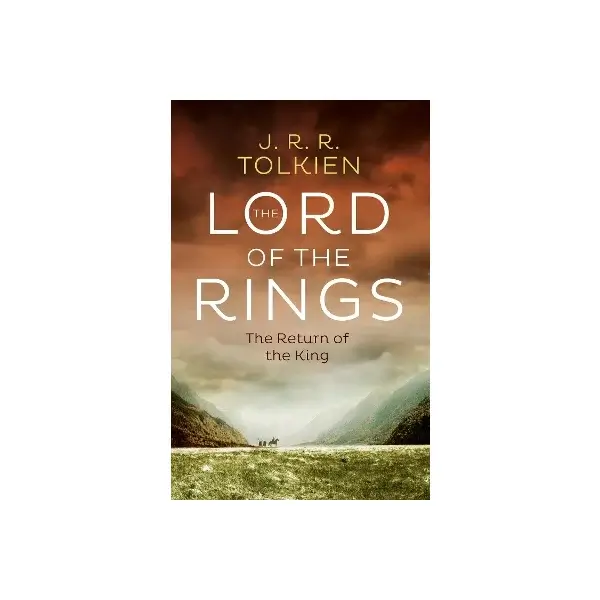
lord of the rings the return of the king by J. R. R. Tolkiens
රු2,100.00






| Detail | Information |
|---|---|
| Title | The Lord of the Rings: The Return of the King |
| Author | J. R. R. Tolkien |
| Series | The Lord of the Rings #3 |
| Genre | Fantasy / Epic Fantasy |
| Language | English |
| Publisher | HarperCollins |
| Publication Year | 1955 |
| Pages | 416 pages |
| Format | Paperback |
| ISBN-10 | 0261102370 |
| ISBN-13 | 9780261102378 |
| Package Length (cm) | 19.8 cm |
| Package Width (cm) | 12.9 cm |
| Package Height (cm) | 2.6 cm |
1 in stock
The Climactic Conclusion to an Epic Journey
The Lord of the Rings: The Return of the King by J. R. R. Tolkien
The Return of the King is the third and final installment of the legendary The Lord of the Rings trilogy by J. R. R. Tolkien. The novel concludes the saga of the One Ring, following the journeys of Frodo, Sam, Aragorn, and the peoples of Middle-earth as they face the ultimate battle against Sauron and the forces of darkness.
The central idea of The Return of the King is that perseverance, courage, and unity are essential in overcoming evil. The story demonstrates how even the smallest individuals can influence the fate of the world and emphasizes the importance of hope, sacrifice, and moral integrity in times of great adversity.
Frodo and Sam’s Final Journey
The novel focuses heavily on Frodo Baggins and Samwise Gamgee as they approach Mount Doom to destroy the One Ring.
- Their journey is fraught with physical danger, moral dilemmas, and the corrupting influence of the Ring.
- The character of Gollum continues to play a pivotal role, reflecting the tension between loyalty and treachery.
Through these trials, Tolkien explores themes of friendship, resilience, and the burden of responsibility.
Aragorn’s Rise as King
Parallel to Frodo and Sam’s quest, Aragorn embraces his destiny as the rightful king of Gondor.
- He leads the armies of men against Sauron’s forces, demonstrating leadership, bravery, and strategic skill.
- His journey emphasizes the theme of legitimacy and moral authority, showing that true leadership combines courage with wisdom and humility.
The unification of Gondor and Rohan symbolizes the power of cooperation and shared purpose in confronting evil.
Epic Battles and Climactic Confrontations
The Return of the King features some of the most dramatic battles in fantasy literature:
- The Battle of Pelennor Fields showcases heroism, sacrifice, and the scale of war against overwhelming odds.
- The confrontation at Mount Doom marks the ultimate test of Frodo’s moral and physical endurance.
These sequences highlight Tolkien’s ability to balance large-scale epic events with intimate personal struggles.
Themes of Sacrifice, Hope, and Restoration
Major themes in The Return of the King include:
- Sacrifice – Characters risk and lose much for the greater good.
- Hope and perseverance – Even against insurmountable odds, hope motivates courage and action.
- Restoration – The return of Aragorn as king and the liberation of Middle-earth represent renewal and the triumph of good over evil.
The novel emphasizes that moral integrity and perseverance are just as crucial as strength and skill in shaping the outcome of events.
Who Should Read This Book
This book is ideal for:
- Fans of epic fantasy and high-stakes adventure
- Readers who enjoy richly developed worlds and characters
- Those following the complete Lord of the Rings trilogy
- Anyone interested in themes of courage, morality, and hope
Its combination of epic battles, deep character arcs, and philosophical reflection cements its status as a cornerstone of modern fantasy literature.
Useful Links
BArgain books:
https://bargainbooks.lk
Wikipedia:
https://en.wikipedia.org/wiki/The_Return_of_the_King
Lasting Impact
After reading The Return of the King, readers are often struck by Tolkien’s skill in weaving a story that combines action, morality, and emotional depth.
Ultimately, the novel reinforces that courage, loyalty, and perseverance—often in the hands of ordinary individuals—can overcome even the greatest darkness, leaving a lasting message of hope and renewal.
Be the first to review “lord of the rings the return of the king by J. R. R. Tolkiens”
Related products

Fiction
Fiction

Fiction
Contemporary Fiction

Contemporary romance
Reviews
There are no reviews yet.