
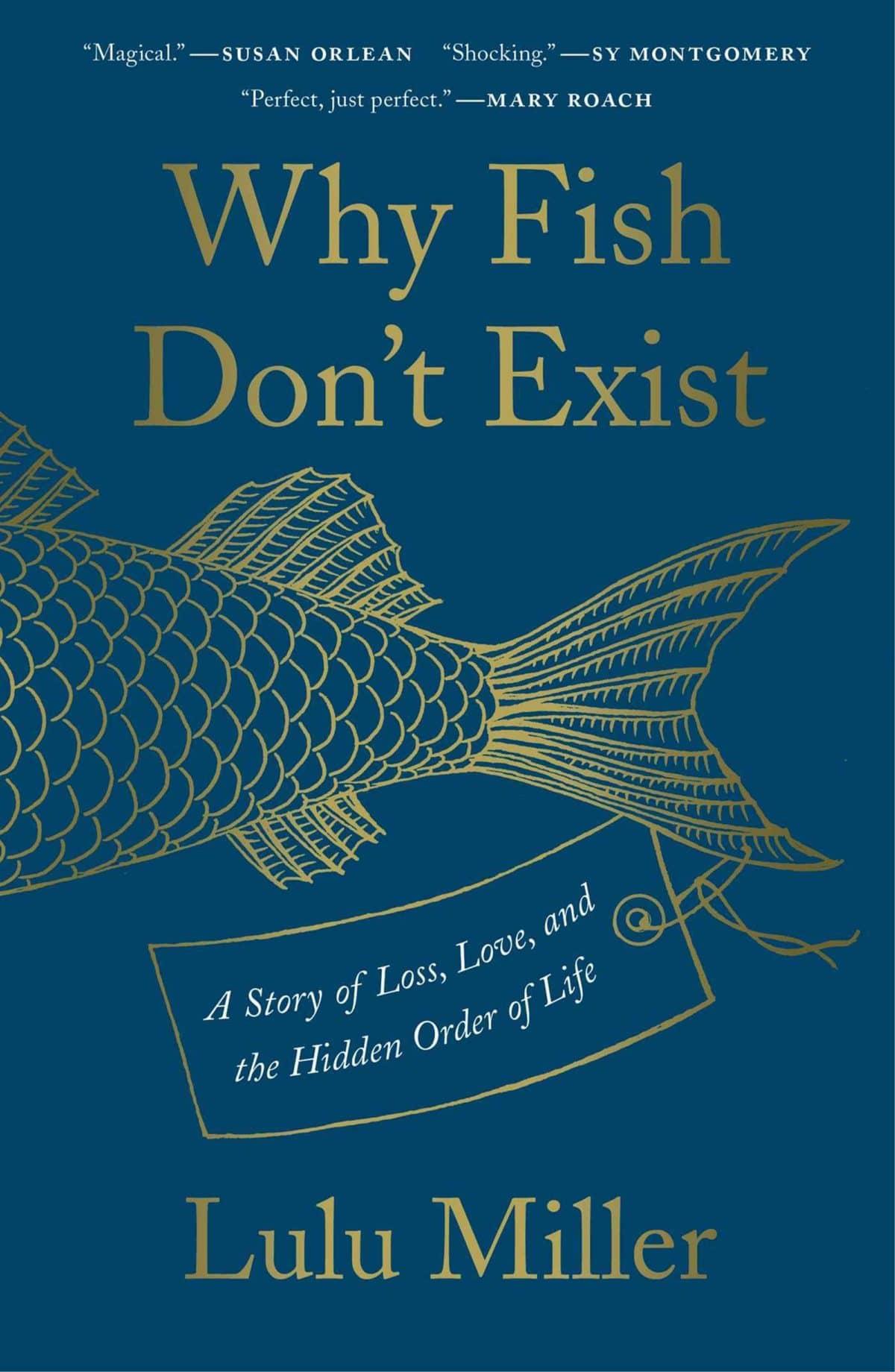





Why Fish Don’t Exist by Lulu Miller








Why Fish Don’t Exist by Lulu Miller is a unique blend of memoir, science, and philosophy that explores how humans try to bring order to a chaotic world. The book follows the life of scientist David Starr Jordan, who dedicated his career to classifying fish, while also reflecting on the author’s personal struggles and search for meaning.
The story challenges the idea that everything can be neatly categorized, showing that life is often unpredictable and complex. Through science and storytelling, the book explores themes of loss, resilience, identity, and the human desire to find order in disorder.
A Practical Guide to Understanding Chaos and Meaning – Why Fish Don’t Exist by Lulu Miller
Why Fish Don’t Exist by Lulu Miller is a unique blend of memoir, science, and philosophy that explores how humans try to create order in a chaotic world. Instead of presenting life as something perfectly structured, the book challenges the idea that everything can be neatly categorized and controlled.
The central idea of Why Fish Don’t Exist is that life is often unpredictable and messy, but meaning can still be found within that uncertainty. Growth comes not from controlling everything, but from understanding, accepting, and adapting to change.
Rather than searching for perfect order, readers learn how to live with complexity and still find purpose.
Understanding Begins With Accepting Uncertainty
One of the earliest lessons in Why Fish Don’t Exist is self-awareness in the face of chaos. The book follows the life of David Starr Jordan, a scientist who tried to classify and organize fish species, believing the world could be neatly ordered.
However, his life experiences—and the author’s own journey—reveal that reality does not always follow clear rules.
The book teaches that accepting uncertainty is the first step toward deeper understanding.
The Search for Order in a Complex World
The book is structured around the idea of classification—how humans try to label and organize everything around them. Through scientific exploration and personal storytelling, it reveals the limits of this approach.
Readers learn how to:
- Understand the difference between order and reality
- Question assumptions about categories and labels
- Accept unpredictability as part of life
- Adapt when plans or beliefs fail
- Find meaning beyond rigid systems
Because of this structure, Why Fish Don’t Exist feels both intellectual and deeply personal.
Resilience and Emotional Strength
A major strength of the book is its focus on resilience. Both the author and David Starr Jordan face personal and professional challenges that test their beliefs.
The story shows that setbacks are not the end—they are opportunities to rebuild and rethink.
Readers discover that strength comes from the ability to continue, even when life does not make sense.
Challenging Beliefs and Perspectives
No belief system is perfect, and Why Fish Don’t Exist encourages readers to question what they think they know.
The book explores how rigid thinking can limit understanding, while openness leads to growth. By examining scientific classification and personal philosophy, it shows that truth is often more complex than it appears.
This approach transforms confusion into curiosity and learning.
Life in the Modern World
Modern life often pressures people to have clear answers and stable plans. Why Fish Don’t Exist challenges this idea, showing that uncertainty is natural and unavoidable.
The book reminds readers that not everything needs to be controlled or understood immediately. Sometimes, meaning develops over time through experience.
Because of this perspective, the book feels highly relevant in today’s unpredictable world.
Long-Term Meaning and Personal Growth
Beyond science and storytelling, the book explores long-term personal growth. Meaning is not found in perfect systems—it is created through experience, reflection, and acceptance.
Readers learn that:
- Uncertainty is part of life
- Growth comes from adaptation
- Meaning is personal, not fixed
- Letting go can lead to clarity
This perspective encourages a more flexible and open approach to life.
Who Should Read This Book
This book is ideal for:
- Readers interested in science and philosophy
- Fans of memoirs with deep personal insights
- Anyone exploring meaning and identity
- Readers who enjoy thought-provoking, unconventional books
The lessons apply to both intellectual curiosity and personal growth.
Explore More
- Find more self-growth and thought-provoking books: https://bargain.lk
- Learn more about the author: https://www.lulumiller.com/
Lasting Impact
After reading Why Fish Don’t Exist, many readers begin to see life differently. Instead of trying to control everything, they learn to accept uncertainty and find meaning within it.
Ultimately, Why Fish Don’t Exist teaches that life does not need perfect order to have purpose—it only requires awareness, resilience, and openness to change.
Be the first to review “Why Fish Don’t Exist by Lulu Miller”
Related products


Fiction


Fiction

Contemporary romance

Contemporary Fiction

Fiction

Reviews
There are no reviews yet.