No products in the cart.
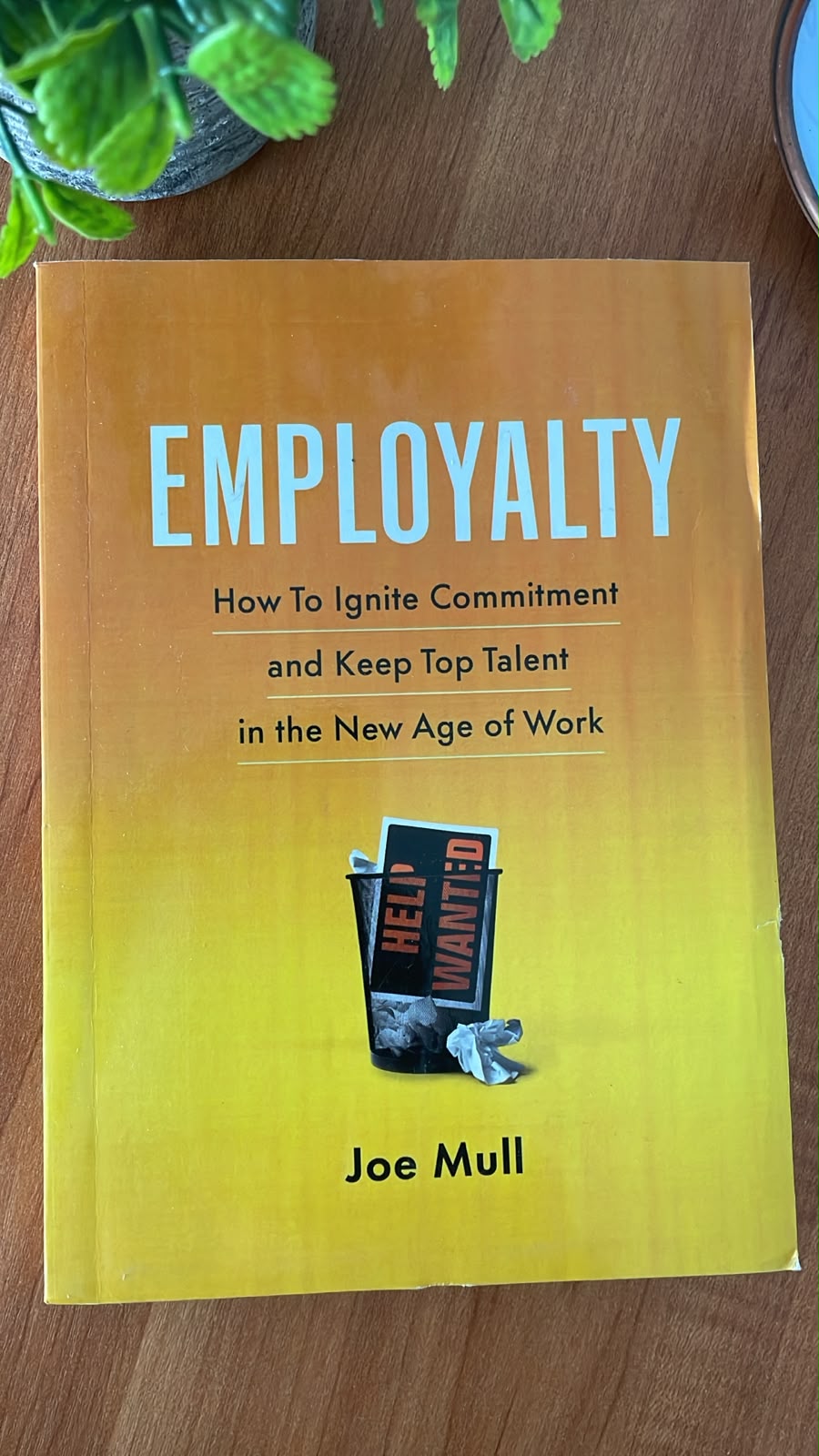
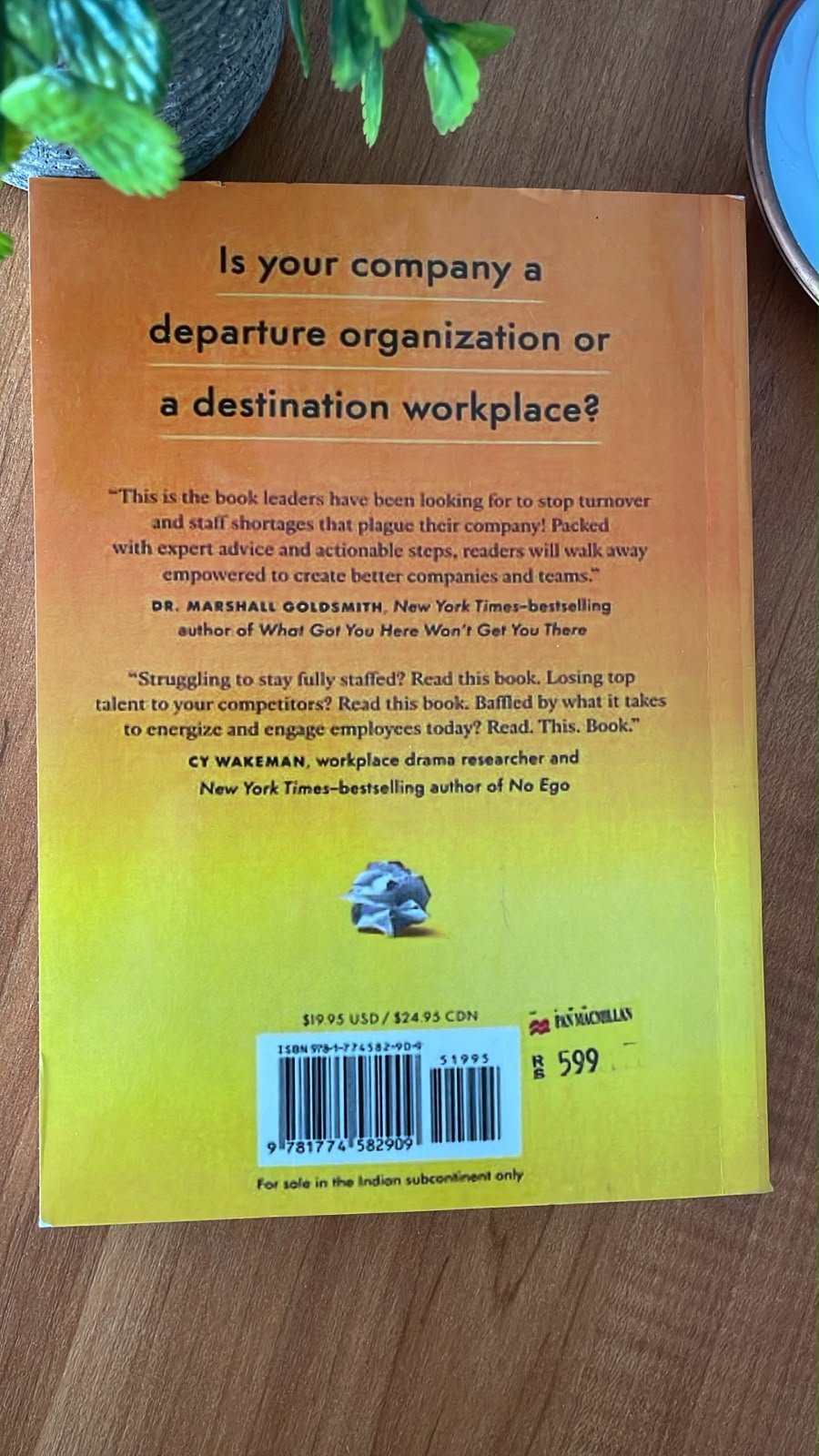
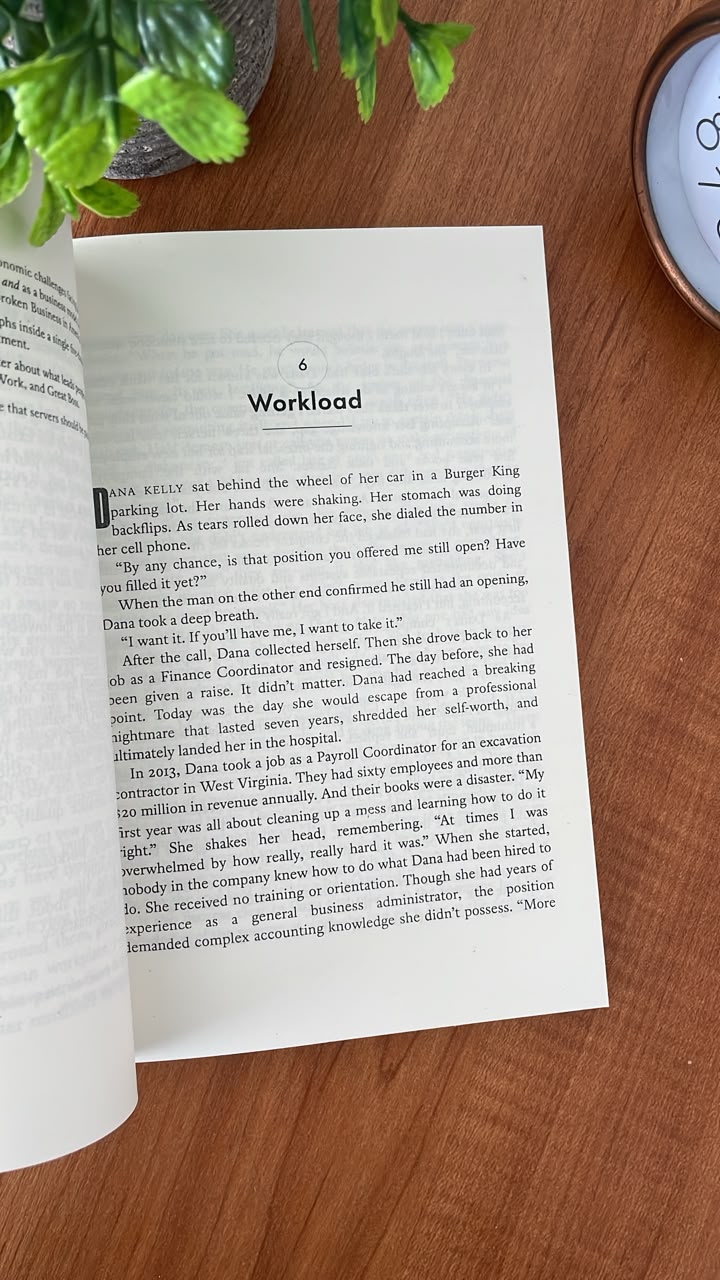






Employalty by Joe Mull

රු1,900.00
3 X Rs. 633.33 or 8% Cashback with


or 3 X රු633.33 with


or up to 4 X රු475.00 with


Employalty: How to Ignite Commitment and Keep Top Talent in the New Age of Work is a modern leadership and workplace culture book that explains how organizations can build loyal, committed employees. Instead of relying on salary increases or perks alone, Joe Mull introduces a powerful idea: employee loyalty comes from meaningful experiences at work, not just compensation.
The central message is clear—great workplaces don’t just hire good people; they create environments where people want to stay, grow, and perform at their best.
6 in stock
Employalty by Joe Mull
Employalty by Joe Mull is a practical business and leadership book about attracting talented employees, keeping them engaged, reducing turnover and creating workplaces where people genuinely want to stay.
Finding good employees is difficult.
Keeping them can be even harder.
Employees today often expect more than salary alone.
They want meaningful work.
They want flexibility.
They want respect.
They want competent leadership.
And they want a job that fits realistically into their lives.
Employalty argues that organizations cannot simply demand loyalty from employees.
Employers must first create the conditions that make commitment possible.
Joe Mull describes this idea as combining employer loyalty with humanity to create “Employalty.”
Why Read Employalty?
Employalty is especially useful for managers, business owners and HR professionals struggling with employee turnover.
Many organizations ask:
Why are our best employees leaving?
Why is recruitment so difficult?
Why are people disengaged?
Why do some employees give their best while others simply do the minimum?
Mull argues that these problems cannot always be solved by hiring harder.
Sometimes the workplace itself needs to change.
The publisher describes Employalty as a research-grounded framework for creating an employee experience that makes people want to join, stay and do great work.
Employalty and Employee Commitment
Employee engagement is useful.
But Employalty aims at something deeper.
Commitment.
A committed employee does more than simply show up.
They care about the work.
They want the team to succeed.
They put effort into difficult situations.
They are less interested in leaving immediately when another opportunity appears.
Joe Mull argues that genuine workplace commitment appears when employees experience three conditions:
Ideal Job. Meaningful Work. Great Boss.
These three factors form the core of the Employalty framework.
Employalty and the Ideal Job
The first factor is an Ideal Job.
An ideal job does not necessarily mean a perfect job.
Every role has challenges.
Every workplace includes responsibilities people may not enjoy.
The idea is that the job needs to fit reasonably well into the employee’s life and needs.
Employees consider things such as:
Schedule.
Compensation.
Workload.
Flexibility.
Location.
Benefits.
Career opportunities.
Stability.
A job that constantly conflicts with someone’s basic needs becomes difficult to stay committed to.
Employalty encourages employers to design jobs that work for real human beings rather than expecting employees to organize their entire lives around the company.
Create the Best Job for the Person
One of the strongest ideas in Employalty is a reversal of traditional hiring thinking.
Companies often ask:
“How do we find the best person for this job?”
Mull argues that employers increasingly need to ask:
“How do we create the best job for the person?”
The official publisher description makes this exact shift central to the book’s message.
This does not mean employees should never face difficulty.
It means employers should examine whether outdated policies are making jobs unnecessarily unattractive.
Employalty and Meaningful Work
The second factor is Meaningful Work.
People want to understand why their work matters.
A task can feel very different when someone sees the impact behind it.
A warehouse employee is not simply moving boxes.
They may be helping customers receive something important.
A nurse is not simply completing procedures.
They are helping patients recover.
A salesperson is not simply reaching a target.
They may be solving a customer’s problem.
Meaning creates connection.
Employalty argues that commitment becomes stronger when employees believe their work matters.
Help Employees See Their Impact
Managers sometimes assume employees automatically understand the importance of their work.
That is not always true.
Leaders need to connect daily tasks with larger outcomes.
Explain who benefits.
Show the result.
Share customer feedback.
Celebrate improvements.
Help employees understand how their role contributes to the organization.
Meaningful work becomes easier to experience when people can see the difference their contribution makes.
Employalty and the Great Boss
The third factor is a Great Boss.
Employees experience an organization partly through their direct manager.
A company may have excellent benefits.
A strong brand.
A beautiful office.
Competitive salaries.
But a poor manager can still make people leave.
Joe Mull’s framework identifies the quality of the boss as one of the three essential conditions for workplace commitment.
Great Leadership Creates Commitment
A great boss does not simply give instructions.
Good leaders create clarity.
They communicate expectations.
They listen.
They provide feedback.
They recognize effort.
They hold people accountable.
They treat employees with respect.
They help employees grow.
The goal is not to become everyone’s friend.
The goal is to create a professional environment where people can succeed.
Employalty and Employee Retention
Retention is one of the major problems addressed by Employalty.
Replacing employees can be expensive.
Recruitment takes time.
Training takes time.
Knowledge disappears when experienced employees leave.
Team morale can also decline when turnover becomes constant.
The book therefore encourages leaders to stop treating turnover as simply an employee problem.
Sometimes people leave because the workplace is giving them good reasons to leave.
Mull’s framework asks employers to examine the employee experience itself.
Stop Assuming Employees Are Disloyal
Managers sometimes respond to turnover by saying:
“People aren’t loyal anymore.”
Employalty challenges this attitude.
Employee expectations have changed.
Work has changed.
Technology has changed.
Life priorities have changed.
The relationship between employers and employees has changed too.
Organizations that adapt can become more attractive places to work.
Organizations that simply demand the loyalty they received decades ago may struggle.
Build a Destination Workplace
A useful question from Employalty is whether your company is a departure organization or a destination workplace.
A departure organization constantly loses people.
Employees join.
Gain experience.
Then leave.
A destination workplace is somewhere talented people actively want to join.
And once they arrive, they have strong reasons to remain.
This creates an important competitive advantage.
Good workplaces attract good people.
Good people improve performance.
That reputation then attracts more strong candidates.
Employalty and Workplace Culture
Culture is not simply a motivational poster on the wall.
Culture is what employees experience repeatedly.
How are mistakes treated?
How do managers communicate?
Are employees trusted?
Is unfair behaviour ignored?
Are strong performers recognized?
Can employees speak honestly?
Do leaders keep promises?
These repeated experiences define the actual workplace culture.
Employalty encourages leaders to focus on practical employee experience rather than relying only on corporate values written in documents.
Trust Your Employees
Trust can influence commitment.
Employees who feel constantly monitored may interpret that monitoring as a lack of trust.
Employees who receive reasonable autonomy can feel more respected and responsible.
Joe Mull has emphasized that organizations where employees experience higher levels of trust from leaders can outperform environments where employees feel mistrusted.
Trust does not mean removing accountability.
Strong workplaces can have both.
Clear standards.
Clear responsibilities.
And enough autonomy for employees to perform their jobs.
Employalty and Human-Centered Workplaces
The book repeatedly emphasizes creating a more humane employee experience.
Employees are not simply labour units.
They have families.
Responsibilities.
Health.
Personal goals.
Financial pressures.
Different life stages.
Ignoring those realities can make a workplace unnecessarily difficult.
The publisher describes Employalty as responding to a major recalibration in how work fits into people’s lives.
Human-centered leadership does not mean lowering every standard.
It means recognizing that sustainable performance requires treating employees like people.
Flexibility Matters
Not every job can be remote.
Not every schedule can be completely flexible.
But employers can still ask whether existing rules are truly necessary.
Could shifts be changed?
Could employees have more control over schedules?
Could certain roles operate remotely some of the time?
Could unnecessary meetings disappear?
Could employees receive more notice about schedule changes?
Small improvements can make a large difference in how a job fits into someone’s life.
Employalty and Recognition
People want to know that their work is noticed.
Recognition does not always require money.
Sometimes a simple acknowledgment matters.
“You handled that customer situation really well.”
“The report you prepared helped us make a better decision.”
“Thank you for staying focused during a difficult week.”
Specific recognition is stronger than vague praise.
It tells employees exactly what behaviour created value.
Employees Need Growth
People may leave when they cannot see a future inside the company.
Growth can mean promotion.
But it can also mean:
New responsibilities.
New skills.
Training.
Mentoring.
Better projects.
Greater autonomy.
Professional development.
Employalty encourages employers to think about the complete employee experience rather than focusing only on recruitment.
Hiring is the beginning of the relationship.
Not the end.
Employalty and Better Hiring
A strong workplace also changes recruitment.
When employees genuinely enjoy working somewhere, they talk about it.
They recommend people.
They become advocates.
Candidates notice.
That can make hiring easier.
The opposite is also true.
A company with a reputation for poor leadership or constant turnover may struggle to recruit even when salaries are competitive.
Culture becomes part of the employer brand.
Do Not Wait Until Employees Resign
Many organizations start asking questions only after receiving a resignation letter.
Why are you leaving?
What could we have done differently?
Could we offer more money?
By that point, the decision may already be final.
A better approach is regular communication.
Ask employees what is working.
What is frustrating.
What would make their jobs better.
What obstacles prevent them from performing.
Retention should happen throughout the employee’s time with the organization.
Not only during an exit interview.
Employalty for Business Owners
Small-business owners may find Employalty especially practical.
A small company cannot always compete with a huge corporation on salary.
But it may compete in other areas.
Better leadership.
Greater flexibility.
More meaningful roles.
Stronger relationships.
Faster growth opportunities.
A positive workplace can become a major recruiting advantage.
Small businesses should not assume that compensation is the only factor employees consider.
Employalty for Managers
Managers directly influence employee experience every day.
How you communicate matters.
How you react to mistakes matters.
How you give feedback matters.
Whether you keep promises matters.
Whether you show respect matters.
Employalty helps managers understand that leadership behaviour can directly affect commitment and retention.
Employalty for HR Professionals
HR teams may also find the framework useful.
HR often manages:
Recruitment.
Retention.
Employee experience.
Performance systems.
Benefits.
Training.
Workplace policies.
Employalty provides a way to evaluate these areas through the three core conditions of Ideal Job, Meaningful Work and Great Boss.
That makes the framework easy to discuss across different departments.
7 Powerful Lessons From Employalty
- Create Jobs People Want to Keep – Stop thinking only about finding the right employee and start improving the job itself.
- Make Work Meaningful – Help employees understand why their contribution matters.
- Develop Great Bosses – Direct managers play a major role in employee commitment.
- Treat Employees Like People – Sustainable workplaces recognize employees have needs and responsibilities beyond work.
- Build Trust – Give people clear accountability without unnecessary control.
- Focus on Retention Before Resignation – Improve employee experience continuously rather than reacting only when people leave.
- Create a Destination Workplace – Build a company talented people want to join, stay with and contribute to.
What You Can Learn From Employalty
Readers will explore employee retention, engagement, workplace culture, leadership, recruitment, motivation, employee experience, meaningful work, management, trust, workplace flexibility, talent management, team performance, human resources, employee loyalty, organizational culture and business leadership.
Who Should Read Employalty?
Employalty is ideal for business owners.
Managers can use the framework to improve how they lead teams.
HR professionals can apply the ideas to recruitment and retention.
Executives can use the book to rethink organizational culture.
Small-business owners can learn how to compete for good employees without relying entirely on salary.
Anyone responsible for hiring, leading or retaining employees can benefit from the book’s central framework.
A Powerful Guide to Building Committed Teams
Employalty challenges leaders to stop asking only why employees leave.
Instead, ask:
Why would a talented employee want to stay?
Is this an ideal job?
Does the work feel meaningful?
Does this employee have a great boss?
Those questions form the foundation of Joe Mull’s framework for creating genuine workplace commitment.
The book’s message is straightforward.
People do better work when they believe they have a good job.
Organizations that create that experience can improve employee commitment, retention, teamwork and performance.
For managers, business owners, HR professionals and leaders who want to attract strong employees and build teams that genuinely want to stay, Employalty by Joe Mull is an excellent addition to any business and leadership bookshelf.
Book Details
Full Title: Employalty: How to Ignite Commitment and Keep Top Talent in the New Age of Work
Author: Joe Mull
Genre: Business / Leadership / Human Resources / Management
Publisher: Page Two
Publication Date: May 9, 2023
Format: Paperback
Pages: 296
ISBN-13: 9781774582909
Dimensions: approximately 5.5 × 8.5 inches.
Core Employalty Framework
Ideal Job + Meaningful Work + Great Boss = Employee Commitment https://yourwebsite.com/employalty-by-joe-mull/
Be the first to review “Employalty by Joe Mull”
Related products
-19%
Out of stock
Non-Fiction & Knowledge
Original price was: රු2,650.00.රු2,150.00Current price is: රු2,150.00.
3 X Rs. 716.67 or 8% Cashback with
or 3 X රු716.67 with
or up to 4 X රු537.50 with
-23%
Non-Fiction & Knowledge
Original price was: රු2,200.00.රු1,700.00Current price is: රු1,700.00.
3 X Rs. 566.67 or 8% Cashback with
or 3 X රු566.67 with
or up to 4 X රු425.00 with
-17%
Out of stock
Non-Fiction & Knowledge
Original price was: රු2,900.00.රු2,400.00Current price is: රු2,400.00.
3 X Rs. 800.00 or 8% Cashback with
or 3 X රු800.00 with
or up to 4 X රු600.00 with
Non-Fiction & Knowledge
රු2,450.00
3 X Rs. 816.67 or 8% Cashback with
or 3 X රු816.67 with
or up to 4 X රු612.50 with
Non-Fiction & Knowledge
රු2,250.00
3 X Rs. 750.00 or 8% Cashback with
or 3 X රු750.00 with
or up to 4 X රු562.50 with
-24%
Out of stock
Non-Fiction & Knowledge
Original price was: රු2,100.00.රු1,600.00Current price is: රු1,600.00.
3 X Rs. 533.33 or 8% Cashback with
or 3 X රු533.33 with
or up to 4 X රු400.00 with
-7%

Out of stock
Original price was: රු4,500.00.රු4,200.00Current price is: රු4,200.00.
3 X Rs. 1,400.00 or 8% Cashback with
or 3 X රු1,400.00 with
or up to 4 X රු1,050.00 with
-26%
Out of stock
Non-Fiction & Knowledge
Original price was: රු2,000.00.රු1,490.00Current price is: රු1,490.00.
3 X Rs. 496.67 or 8% Cashback with
or 3 X රු496.67 with
or up to 4 X රු372.50 with
Reviews
There are no reviews yet.